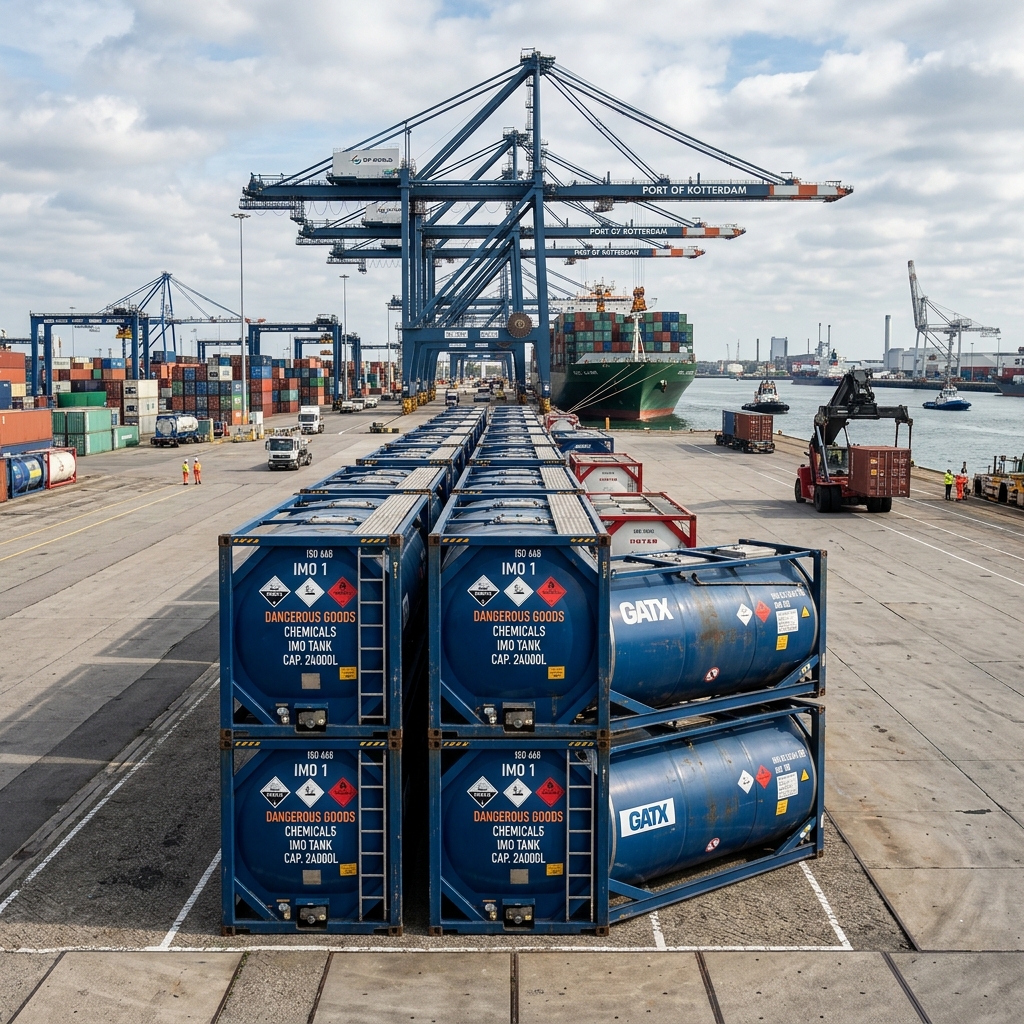
The Complete Guide to Shipping from China to the UAE
China and the UAE sit at opposite ends of one of the busiest trade corridors in the world, and Jebel Ali is the gateway most of that cargo passes through. If you import from Chinese suppliers, or you're planning your first shipment, the process involves more moving parts than picking a carrier and paying a freight bill: mode selection, Incoterms, documentation, UAE customs clearance, and cargo-specific handling for anything hazardous, oversized, or bulk liquid.
This guide walks through the full journey from a Chinese factory floor to a UAE warehouse or job site. It's written for importers, procurement managers, and supply chain decision-makers who need a working understanding of the process, not a customs broker's manual. Where a specific claim needs a number we can't verify in this pass, we've flagged it rather than guessed.
China–UAE Trade Trends to Watch in 2026
Key Takeaways
- Sea freight is the default for most China–UAE cargo volumes; air freight is worth the premium mainly for time-sensitive or high-value goods.
- Jebel Ali is the primary UAE gateway for containerized, RoRo, breakbulk, and project cargo arriving from China, with several other UAE ports serving specific cargo types.
- Total landed cost includes freight, origin and destination handling, customs duty, VAT, and often-overlooked accessorial charges, not just the quoted ocean or air rate.
- Dangerous goods, ISO tank containers, and breakbulk/project cargo each carry their own documentation and compliance requirements beyond standard containerized freight.
- In-house customs clearance and manifestation at the UAE end can remove a common bottleneck that third-party agent handoffs create.
- Getting the paperwork right the first time, especially the commercial invoice, packing list, and bill of lading, is the single biggest lever for avoiding delays at Jebel Ali.
In This Guide
This pillar article covers the full China–UAE shipping process at a high level. For deeper detail on any specific step, the related articles below go further into each topic:
- How to Ship Cargo from China to the UAE Step by Step
- China to UAE Freight Costs and Pricing in 2026: What Importers Should Expect
- 5 Common Mistakes Importers Make Shipping from China to the UAE
- Sea Freight vs Air Freight: China to UAE Shipping Compared
- China to UAE Import Regulations and Compliance Explained
- The Essential Documentation Checklist for China–UAE Shipments
- Case Study: Cutting Transit Delays on a China–UAE Electronics Shipment
- China to UAE Shipping FAQ: Answers to the Questions Importers Ask Most
- China–UAE Trade Trends to Watch in 2026
Why the China–UAE Trade Lane Matters for Importers
The UAE functions as a re-export and distribution hub for the wider Gulf region, and a large share of the goods that pass through it originate in China. For importers and procurement managers, that means shipping decisions made on this lane affect not just delivery to a UAE warehouse, but downstream distribution across the GCC.
This corridor carries a wide mix of cargo types: consumer electronics and general merchandise moving in standard containers, industrial chemicals and raw materials requiring dangerous goods handling, bulk liquids moving in ISO tank containers, and heavy machinery or construction equipment moving as breakbulk, RoRo, or project cargo. Each of these cargo types has a different optimal routing, documentation set, and cost structure, which is why a single "shipping from China to the UAE" playbook has to branch depending on what you're actually moving.
Shipping Modes: Sea Freight, Air Freight, and When to Use Each
Most importers default to sea freight because it's the lower-cost option for anything beyond a small parcel, but the right mode depends on cargo value, urgency, and volume, not habit.
Sea Freight (FCL and LCL)
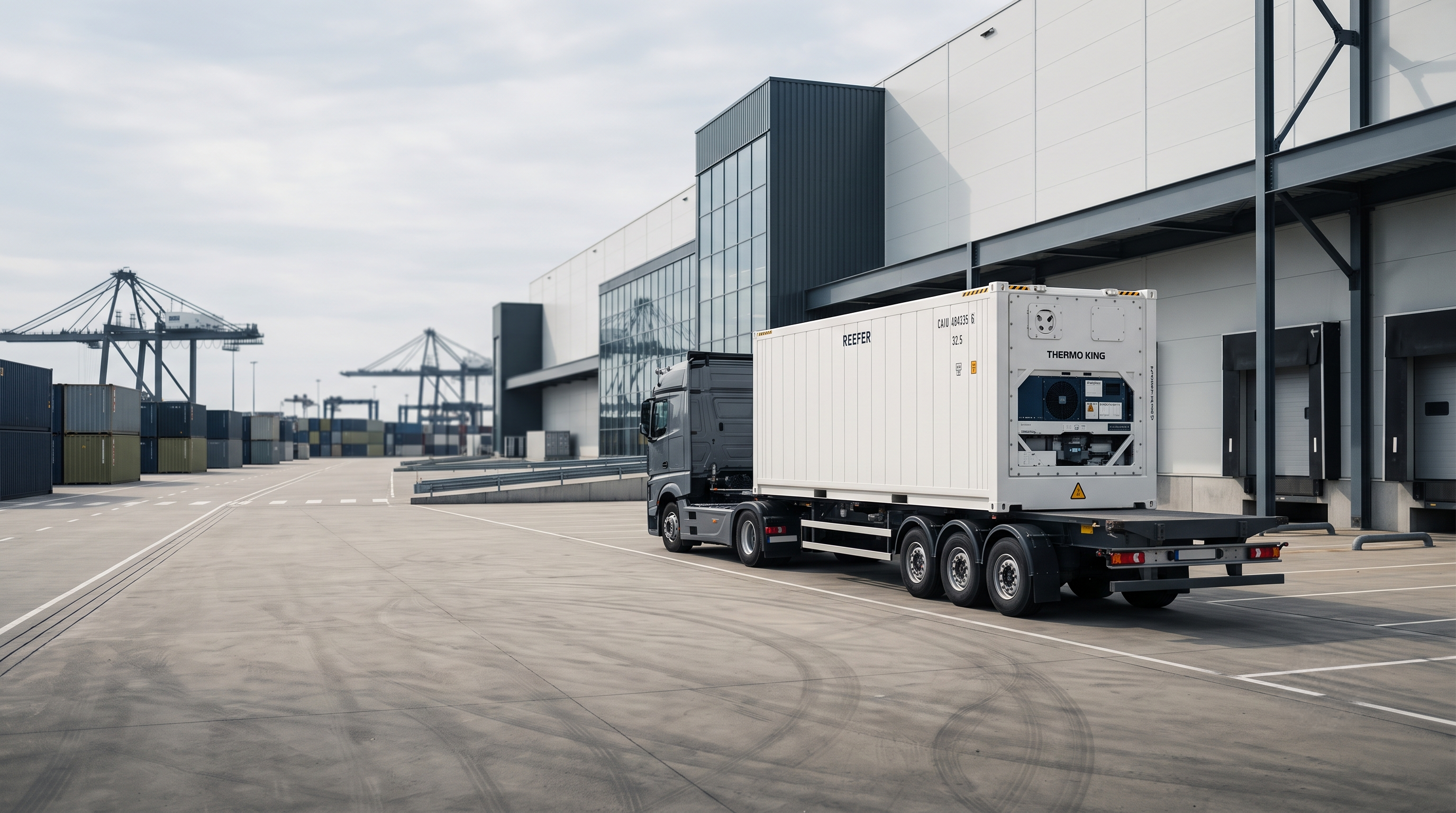
Full container load (FCL) makes sense once a shipment fills, or nearly fills, a 20-foot or 40-foot container. You pay for the container regardless of how full it is, but you get exclusive use of the box, simpler customs handling, and less risk of damage from co-loaded cargo.
Less than container load (LCL) consolidates your goods with other shippers' cargo in a shared container. It's the practical choice for smaller volumes, but it adds consolidation and deconsolidation time at both ends, and it increases the number of parties handling your goods before they reach you.
Sea Freight vs Air Freight: China to UAE Shipping Compared
Air Freight
Air freight costs substantially more per kilogram than sea freight, but it compresses transit time from weeks to days. It's the right call for high-value or time-critical goods: new product launches, spare parts that are holding up a production line, or seasonal merchandise with a narrow sales window. For heavy or low-value goods, the cost premium usually isn't justified.
RoRo and Project Cargo Modes
Wheeled cargo, such as vehicles and self-propelled equipment, typically moves via Roll-on/Roll-off (RoRo) vessels, which load cargo by driving it directly on and off the ship rather than lifting it with cranes. Oversized, heavy-lift, or non-containerizable cargo, think generators, industrial machinery, or structural steel, moves as breakbulk or project cargo, which requires specialized stowage planning and often engineered lifting plans at both ends.
Understanding the Route: China's Ports to Jebel Ali
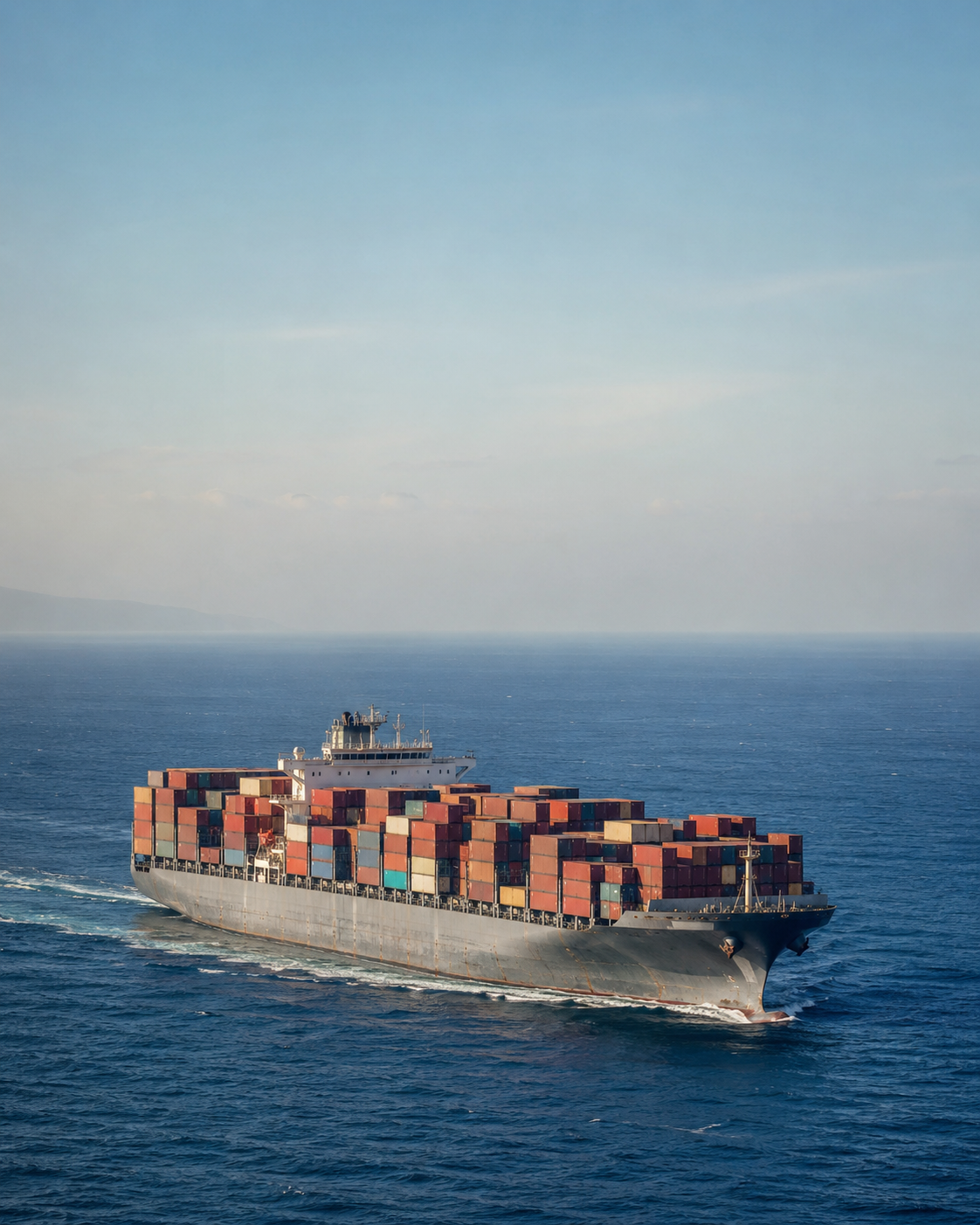
Cargo bound for the UAE typically originates from one of China's major export hubs, Shanghai, Ningbo, Shenzhen, or Qingdao among them, and moves either directly or via transshipment to Jebel Ali, the UAE's primary container port and the ninth busiest in the world by most industry rankings. Jebel Ali's free zone status and its position as a regional transshipment hub are part of why so much China-origin cargo flows through it rather than smaller UAE ports.
Transit time depends heavily on which Chinese port you're shipping from, whether the routing is direct or involves transshipment through a hub like Singapore or Colombo, and current vessel scheduling. A direct service from a major Chinese port can move noticeably faster than a routing with one or more transshipment stops, but direct services aren't always available or cost-competitive for every origin port and cargo type.
China–UAE Trade Routes and Port Guide: Ningbo, Shanghai, Shenzhen, Qingdao to Jebel Ali
Not every shipment needs to route through Jebel Ali specifically. Depending on cargo type and final destination within the UAE, other ports and free zones can be more efficient, which is a routing decision worth discussing with your forwarder rather than defaulting to the busiest option.
Incoterms: Who's Responsible for What
The Incoterm on your purchase order determines which party, you or your Chinese supplier, is responsible for freight booking, insurance, and customs clearance at each stage of the journey. Getting this wrong doesn't just create confusion; it can leave a shipment sitting at origin with no one authorized to book the vessel, or arriving in the UAE with no party prepared to clear it through customs.
FOB (Free on Board)
Under FOB terms, the supplier's responsibility ends once the goods are loaded onto the vessel at the Chinese port. From that point, you (or your forwarder acting on your behalf) own the freight booking, insurance, and destination clearance. FOB gives importers more control over carrier selection and freight rates, which is why many procurement teams prefer it once they have an established forwarder relationship.
CIF (Cost, Insurance, and Freight)
Under CIF terms, the supplier arranges and pays for freight and insurance to the destination port, and you take responsibility once the goods arrive. CIF can feel simpler for a first-time importer, but it also means you have less visibility into which carrier and routing your supplier chose, and less leverage to negotiate freight rates directly.
EXW and DDP
EXW (Ex Works) places nearly all responsibility on the buyer, starting from the supplier's factory door, including export clearance in China. DDP (Delivered Duty Paid) places nearly all responsibility on the supplier, including UAE import duty and clearance. Most China–UAE shipments handled by an experienced forwarder land somewhere between FOB and CIF, since those terms give the importer enough control over routing and cost without requiring them to manage export-side logistics in China directly.
Cost Factors: What Actually Drives Your Freight Bill
The quoted ocean or air freight rate is only one line item in the total cost of landing goods in the UAE. Importers who budget off the freight quote alone are routinely surprised by the final invoice.
Base Freight Charges
This is the carrier's charge for moving the container or cargo from origin port to destination port. It fluctuates with fuel prices, vessel capacity, and seasonal demand, and it's typically quoted per container for FCL or per cubic meter/weight ton for LCL and air freight.
Origin and Destination Handling Charges
Terminal handling charges, documentation fees, and port handling fees apply at both the Chinese origin port and at Jebel Ali (or whichever UAE port receives the cargo). These are standard and expected, but they're frequently left off an initial quote and added later.
Customs Duty and VAT
Most goods entering the UAE are subject to import duty, generally assessed as a percentage of the customs value (CIF value in most cases), plus UAE VAT. Duty rates and exemptions vary by product classification (HS code), so the correct rate depends on accurately classifying your goods, not on a flat assumption.
Accessorial and Hidden Fees
Demurrage and detention charges accrue when a container sits at the port or with the consignee beyond the carrier's free time allowance. Peak season surcharges, bunker adjustment factors, and currency adjustment factors can all move the final invoice away from the originally quoted rate. Cargo-specific handling, such as dangerous goods surcharges or ISO tank container cleaning and repositioning fees, adds further cost for those shipment types.
China to UAE Freight Costs and Pricing in 2026: What Importers Should Expect
Documentation You Need to Get Right
Documentation errors are one of the most common causes of delay at UAE customs, and most of them are preventable with a checklist and a second set of eyes before the shipment leaves China.
Core Shipping Documents
At minimum, expect to need a commercial invoice, packing list, bill of lading (or air waybill for air freight), and a certificate of origin. The commercial invoice and packing list need to match the actual cargo precisely: quantities, descriptions, weights, and values that don't reconcile across documents are a common trigger for customs holds.
UAE-Specific Requirements
Depending on the goods and the importing entity, additional documents may be required, including an import permit, a UAE trade license reference, and product-specific certificates (health, safety, or conformity certificates for certain categories). Getting the HS code classification right on the front end affects duty calculation and whether any additional regulatory approvals apply.
Cargo-Specific Documentation
Dangerous goods require a dangerous goods declaration and compliant classification under the IMDG Code, in addition to standard shipping documents. ISO tank container shipments need tank certification and cleaning records. Breakbulk and project cargo often require detailed packing and lifting plans submitted ahead of arrival so the destination port can plan crane or ramp access.
The Essential Documentation Checklist for China–UAE Shipments
China to UAE Import Regulations and Compliance Explained
Customs Clearance at Jebel Ali: What to Expect
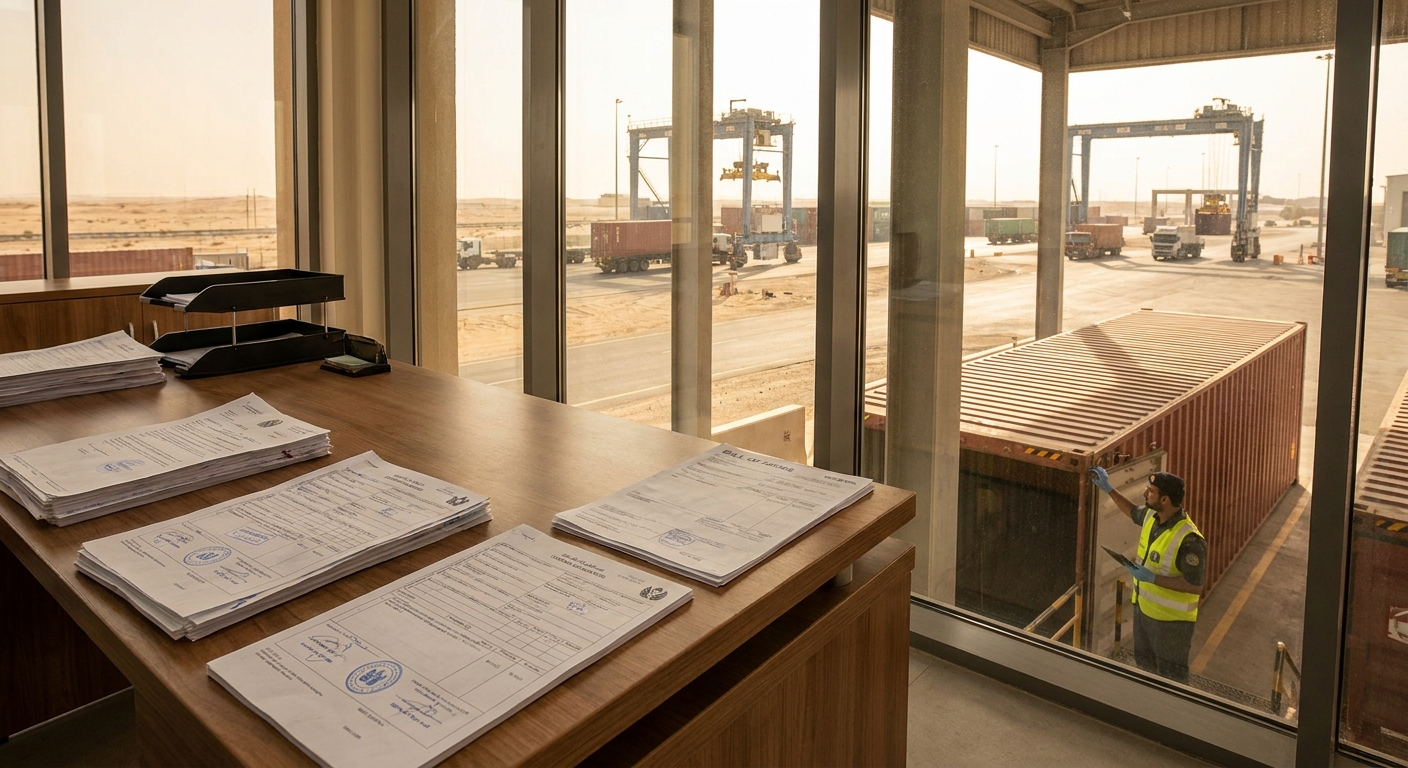
Once cargo arrives at a UAE port, it has to clear customs before it can be released to the consignee. The process involves submitting the import declaration and supporting documents, customs valuation and duty assessment, and, for certain cargo categories, physical inspection before release.
A meaningful share of clearance delays trace back not to customs itself but to the handoff between the shipping line, the forwarder, and a third-party clearing agent. When a forwarder outsources clearance to a separate agent, information has to travel through an additional link in the chain, and each handoff is a place where a document can go missing, a status update can lag, or accountability can blur between parties.
An in-house clearance and manifestation capability removes that handoff. The same team that arranged the freight also manages the customs filing and manifest submission at the UAE end, which keeps the paper trail and the accountability under one roof and shortens the loop when a document needs to be corrected quickly.
Cargo-Specific Considerations
Standard containerized general cargo follows the process outlined above with few complications. Several cargo categories, however, need specialized handling that changes routing, documentation, and cost.
Dangerous Goods
Chemicals, batteries, and other hazardous materials must be classified, packaged, labeled, and declared according to the IMDG Code for ocean freight. Carrier acceptance isn't automatic. Vessels have limits on how much and what class of dangerous goods they'll carry on a given voyage, and stowage requirements (segregation from incompatible cargo classes, deck versus under-deck placement) affect which sailings are viable for a given shipment.
The Complete Guide to Shipping Dangerous Goods from China to the UAE
ISO Tank Containers
Bulk liquids, chemicals, food-grade products, and gases often move more efficiently and safely in ISO tank containers than in drums loaded into standard boxes. Tank containers require certification, compatibility checks between the tank's lining and the product being carried, and cleaning between uses, all of which need to be documented for customs and for the next shipper who uses that tank.
RoRo Shipments
Vehicles, construction equipment, and other wheeled or self-propelled cargo typically move by RoRo rather than in a container. Vessel space on RoRo services can be tighter than on standard container services, particularly during peak periods, so booking lead time matters more.
Breakbulk and Project Cargo
Oversized or non-containerizable cargo, industrial equipment, generators, structural components, requires engineered planning: lifting plans, route surveys for inland transport, and coordination with port authorities on crane capacity and berth availability. This is the cargo category where forwarder experience matters most, since a routing or lifting error can be expensive and hard to reverse mid-shipment.
Choosing a China–UAE Freight Forwarder
The forwarder you choose shapes almost every variable covered above: which routes and carriers you have access to, how accurately your documentation is prepared, and how quickly issues get resolved when something doesn't go to plan.
A few questions are worth asking before you commit to a forwarder for this lane specifically. Does the forwarder have direct experience with your cargo type, particularly if it's dangerous goods, tank containers, or project cargo? Do they handle UAE customs clearance in-house, or does that get outsourced to a third party? What's their track record on this specific China–UAE corridor, as opposed to general freight forwarding experience? How do they communicate shipment status, and who is your actual point of contact when something needs to be escalated?
How to Choose a China–UAE Freight Forwarder: A Buyer's Guide
Step-by-Step: How the Shipping Process Actually Works
At a high level, a China–UAE shipment moves through several distinct stages: booking and documentation preparation, export customs clearance in China, ocean or air transit, arrival and import customs clearance in the UAE, and final delivery to the consignee. Each stage has its own set of required documents and potential delay points, and the specifics vary meaningfully depending on whether you're shipping FCL, LCL, air freight, RoRo, or project cargo.
How to Ship Cargo from China to the UAE Step by Step
Common Mistakes That Delay or Inflate Shipments
Even experienced importers run into avoidable problems on this lane. The most frequent ones include underestimating total landed cost by budgeting off the freight quote alone, mismatched or incomplete documentation that triggers customs holds, misclassifying dangerous goods (or failing to recognize that a product qualifies as dangerous goods at all), booking vessel space too close to the sailing date during peak season, and choosing a forwarder based on price alone without verifying their experience with the specific cargo type being shipped.
5 Common Mistakes Importers Make Shipping from China to the UAE
Real-World Example: Reducing Transit Delays
Transit delays on this corridor often trace back to a combination of routing choices and documentation timing rather than a single dramatic failure. A closer look at one electronics shipment, and the specific changes that reduced delay risk on subsequent shipments, illustrates how the pieces covered in this guide interact in practice.
Case Study: Cutting Transit Delays on a China–UAE Electronics Shipment
Frequently Asked Questions
How long does shipping from China to the UAE typically take?
Transit time depends on the mode, the origin port, and whether the routing is direct or involves transshipment. Sea freight from a major Chinese port to Jebel Ali generally takes longer than air freight but at a substantially lower cost per unit. Exact current transit times should be confirmed with your forwarder for the specific origin port and service, since schedules and routings change.
What's the difference between FCL and LCL for a China–UAE shipment?
FCL means your cargo has an entire container to itself; you pay for the full container regardless of how much of it you use. LCL means your cargo shares a container with other shippers' goods, which lowers the cost for smaller volumes but adds consolidation and deconsolidation time at origin and destination.
Do I need a customs broker in the UAE, or does my forwarder handle that?
Many freight forwarders offer customs clearance either in-house or through a third-party agent. An in-house capability, where the same company handles both the freight and the UAE clearance and manifestation, generally reduces the number of handoffs and can shorten resolution time when a document issue comes up.
What documents cause the most delays at UAE customs?
Mismatches between the commercial invoice, packing list, and bill of lading are among the most common issues, along with missing or incorrect HS code classifications and, for regulated products, missing certificates or import permits.
Can dangerous goods and standard cargo ship together?
It depends on the specific goods and their IMDG classification. Some dangerous goods classes have segregation requirements that prevent them from being stowed near certain other cargo, including some categories of standard general cargo. This needs to be assessed case by case rather than assumed.
China to UAE Shipping FAQ: Answers to the Questions Importers Ask Most
Conclusion: Getting Your China–UAE Shipment Right the First Time
Shipping from China to the UAE isn't a single process so much as a set of decisions, mode, route, documentation, and forwarder, that compound on each other. Get the cargo classification and documentation right early, budget for the full landed cost rather than the headline freight rate, and choose a forwarder with direct experience in your cargo type and this specific corridor, and most of the common delay points in this guide become avoidable rather than inevitable.
If you're planning a shipment that involves dangerous goods, ISO tank containers, RoRo, or breakbulk and project cargo, or you simply want a second opinion on your current routing and cost structure, Farway's team handles freight and in-house UAE customs clearance out of Jebel Ali for exactly this kind of cargo.
Ready to move forward? [Request a cargo assessment](/contact or quote request page)