
Sea Freight vs Air Freight: China to UAE Shipping Compared
Sea and air freight solve the same basic problem, moving cargo from China to the UAE, at fundamentally different price points and speeds. The right choice isn't about which mode is generally "better"; it's about matching the mode to the cargo's value, urgency, and volume. This comparison lays out where each mode wins so the decision is based on your shipment's specifics rather than habit.
This comparison is one piece of the mode selection process covered in the complete guide to shipping from China to the UAE.
Key Takeaways
- Sea freight costs substantially less per unit but takes considerably longer; it's the default for most cargo volumes moving on this lane.
- Air freight compresses transit time from weeks to days at a much higher per-kilogram cost, making sense mainly for high-value or time-critical goods.
- FCL and LCL sea freight options change the cost-per-unit calculation depending on shipment volume.
- Neither mode is right for every shipment; the decision should weigh cargo value density, urgency, and total shipment volume together.
- Some cargo types, dangerous goods, oversized freight, bulk liquids, aren't a fit for standard air freight at all and default to sea, RoRo, or project cargo handling regardless of urgency.
Cost Comparison
Sea freight is priced per container for FCL or per cubic meter/weight ton for LCL, and it's consistently the lower-cost option per unit of cargo, particularly at higher volumes where the fixed cost of a container gets spread across more goods. Air freight is priced per kilogram (with a volumetric weight calculation applied for lightweight, bulky cargo) and carries a substantially higher rate than sea freight for equivalent cargo.
The gap between the two isn't fixed. It moves with fuel prices, available capacity on each mode, and seasonal demand, but sea freight holds its cost advantage across nearly all normal market conditions for standard cargo.
Transit Time Comparison
Air freight's core advantage is speed. Cargo that would take weeks by sea can move in a matter of days by air, which matters when a delay has a direct business cost, a stalled production line waiting on a spare part, or a seasonal product missing its sales window.
Sea freight transit time depends on the origin port, whether the routing is direct or involves transshipment through a hub, and current vessel scheduling. Even the fastest direct sea routings from major Chinese ports to Jebel Ali take considerably longer than air freight, which is the tradeoff importers are weighing when they choose based on urgency rather than cost alone.
When Sea Freight Makes Sense
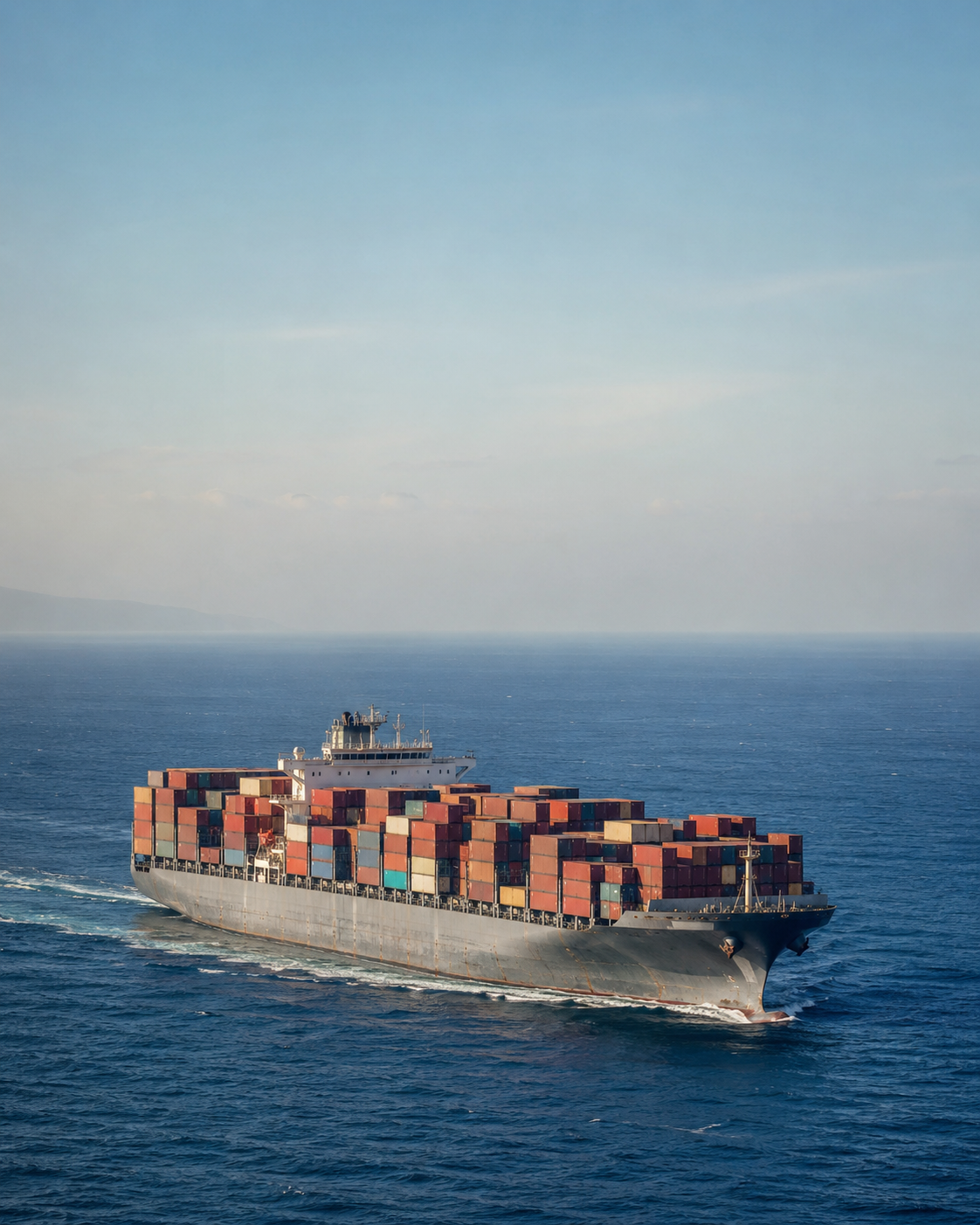
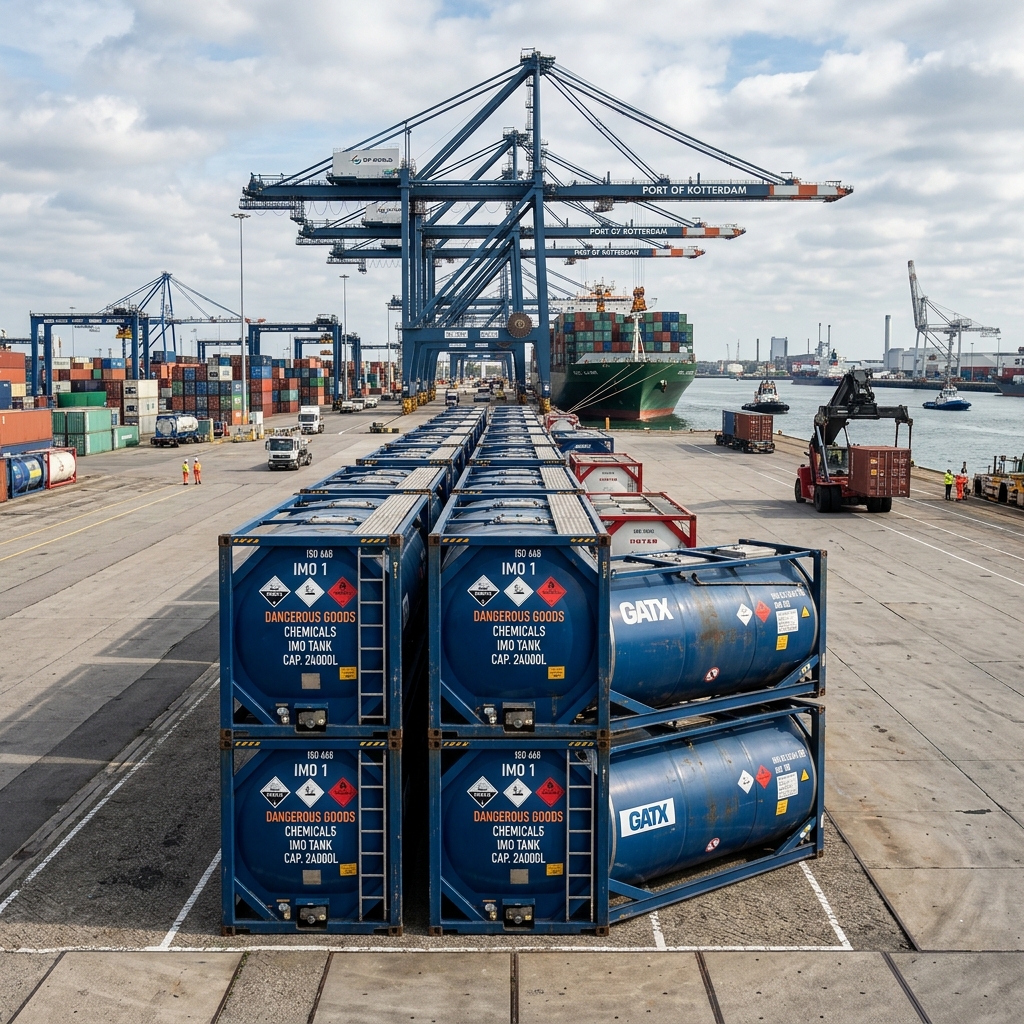
Sea freight is the right default for most China–UAE cargo: standard consumer goods, industrial materials, and bulk orders where the cargo's value density (value relative to weight and volume) doesn't justify air freight's premium. It's also the only practical option for cargo types that don't fit standard air freight handling: bulk liquids in ISO tank containers, oversized or heavy-lift breakbulk and project cargo, and vehicles or self-propelled equipment moving by RoRo.
Within sea freight, FCL suits shipments that fill or nearly fill a container, giving exclusive use of the box and simpler customs handling. LCL suits smaller volumes, consolidating cargo with other shippers at the cost of added consolidation and deconsolidation time at both ends.
China to UAE Freight Costs and Pricing in 2026: What Importers Should Expect
When Air Freight Makes Sense
Air freight earns its premium when time has a direct dollar value attached to it. New product launches with a fixed retail date, spare parts holding up a manufacturing line, or high-value electronics with a narrow window of relevance are typical cases where the cost difference is worth paying for the speed. It also tends to make more sense for lighter, higher-value cargo, where the per-kilogram air freight premium represents a smaller percentage of the goods' total value than it would for heavier, lower-value goods.
Air freight isn't a fit for dangerous goods classes that require sea transport, for bulk liquids, or for oversized cargo beyond standard aircraft cargo hold dimensions. For those cargo types, the mode decision isn't really a comparison at all; sea, RoRo, or project cargo handling is the only workable option regardless of how urgent the shipment is.
How to Decide for a Specific Shipment
Weigh three factors together rather than defaulting to one: cargo value density (how much the goods are worth relative to their weight and volume), urgency (what it actually costs the business if the shipment arrives later rather than sooner), and total volume (whether the shipment is small enough that air freight's cost premium is manageable in absolute terms, even if the per-kilogram rate is high).
A useful gut check: if the cost difference between air and sea freight for a given shipment is smaller than the cost of the delay that sea freight would introduce, air freight is usually worth it. If the cargo isn't time-sensitive and the value density is low, sea freight almost always wins on total cost.
How to Ship Cargo from China to the UAE Step by Step
Frequently Asked Questions
Is air freight ever cheaper than sea freight?
For very small, light, high-value shipments, the total cost gap between air and sea freight can narrow enough that air freight's speed advantage makes it the more sensible choice even before accounting for urgency, since sea freight's fixed handling and documentation costs don't scale down proportionally for tiny shipments.
Can I split a shipment between sea and air freight?
Yes. Some importers split urgent, high-value components onto air freight while the bulk of a lower-value order moves by sea, though this adds coordination complexity and separate customs clearance processes for each portion.
Does dangerous goods cargo ever move by air?
Some dangerous goods classes can move by air under specific packaging and documentation requirements, but many classes are restricted or prohibited from air transport entirely and default to sea freight regardless of urgency.
Conclusion: Match the Mode to the Shipment, Not the Other Way Around
Sea freight and air freight aren't competing for the same shipments; they serve different priorities. Sea freight wins on cost for the majority of China–UAE cargo volume, while air freight earns its premium when speed has a measurable business value attached to it. The right call comes from weighing cargo value density, urgency, and volume together for each specific shipment, not from defaulting to whichever mode was used last time.
Ready to move forward? [Request a cargo assessment](/contact or quote request page)