China to UAE Freight Costs and Pricing in 2026: What Importers Should Expect
The rate on a freight quote is rarely the number that ends up on the final invoice. Base freight is one line item among several, and the gap between a headline quote and the actual landed cost is where a lot of importers get caught off guard, usually not because a forwarder hid anything, but because the quote only covered what was asked for. This article breaks down what actually drives China to UAE freight pricing so you can budget against the full cost, not just the sea or air rate.
For a broader look at the full shipping process this pricing sits inside, see the complete guide to shipping from China to the UAE.
Key Takeaways
- Base ocean or air freight is only one component of total landed cost; handling charges, duty, VAT, and accessorial fees add to the total.
- FCL, LCL, air freight, and RoRo/breakbulk each have different cost structures and scale differently with cargo volume.
- Customs duty and VAT depend on accurate HS code classification and customs valuation, not a flat assumed rate.
- Peak season surcharges, bunker adjustment factors, and demurrage/detention charges can move the final invoice meaningfully away from the original quote.
- Cargo-specific handling, dangerous goods surcharges, tank cleaning fees, lifting plan costs, adds cost categories that standard containerized cargo doesn't carry.
What Drives the Base Freight Rate
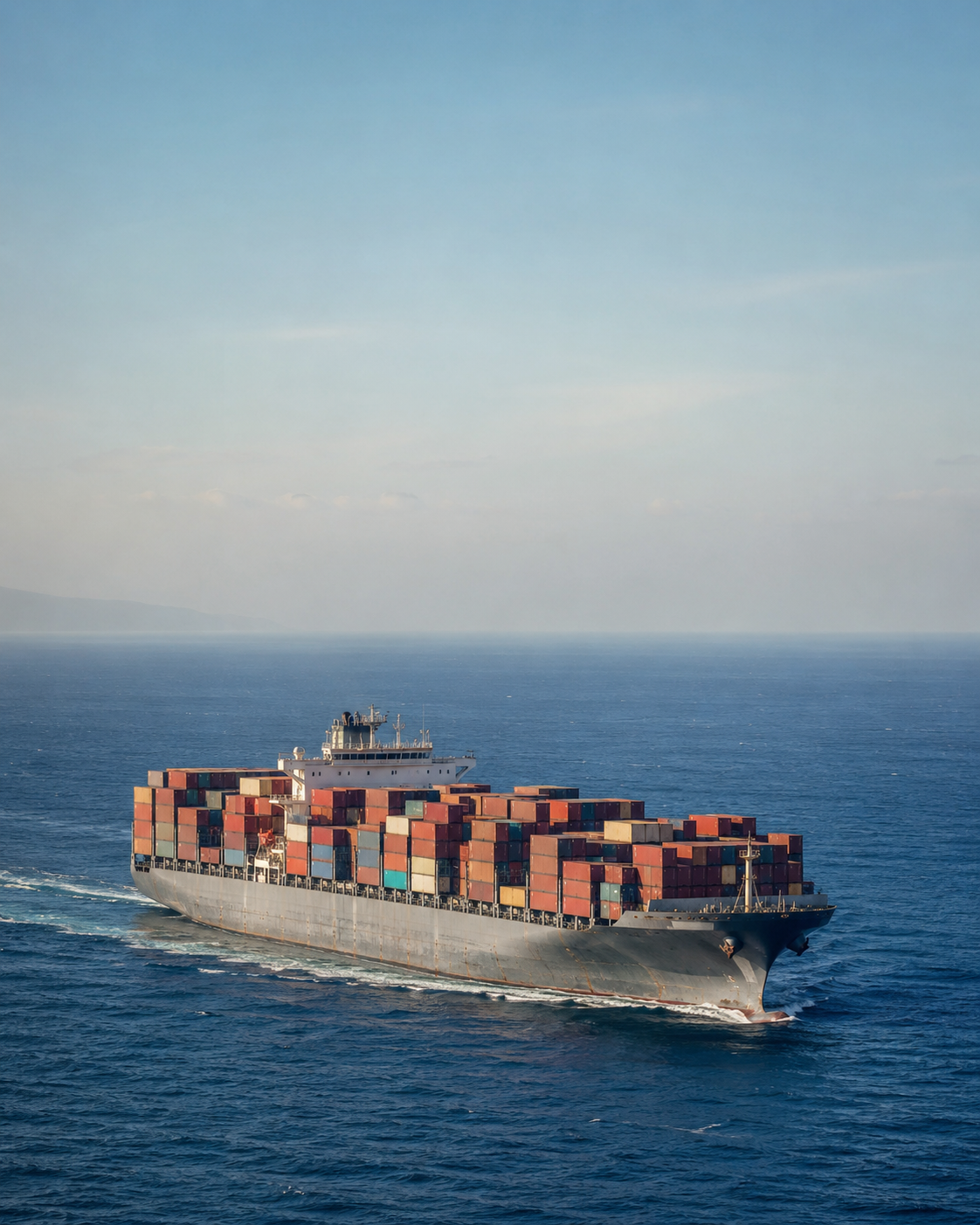
Base freight, the carrier's charge for moving cargo from origin port to destination port, fluctuates with fuel prices, available vessel capacity, and seasonal demand. It's quoted differently depending on mode: per container for FCL, per cubic meter or weight ton (whichever is greater) for LCL and air freight.
Rates on the China–UAE lane move with broader shipping market conditions, capacity additions or reductions on the route, and demand cycles tied to major shopping and manufacturing seasons in both regions. A rate quoted today isn't necessarily the rate you'll pay if you book weeks later, particularly heading into a peak period.
FCL vs LCL: How Cost Scales with Volume
FCL pricing is fixed per container regardless of how full it is, which makes the per-unit cost drop as your shipment approaches a full container. For smaller volumes, that fixed cost isn't justified, which is where LCL comes in: you pay based on the volume or weight you actually ship, sharing the container (and its cost) with other shippers' cargo.
The tradeoff is timing. LCL adds consolidation at origin and deconsolidation at destination, both of which take time and, in some cases, add handling fees that FCL doesn't incur. For importers scaling up order volumes, there's usually a volume threshold where switching from LCL to FCL becomes the more cost-effective choice, and it's worth recalculating that threshold periodically rather than defaulting to whichever mode was used on the first order.
Sea Freight vs Air Freight: China to UAE Shipping Compared
Handling Charges at Origin and Destination
Terminal handling charges, documentation fees, and port handling fees apply at both the Chinese export port and at the UAE import port. These charges are standard and predictable, but they're frequently omitted from an initial freight quote and added at invoicing, which is why importers who budget off the headline freight number alone are often surprised by the total.
Ask your forwarder for an all-in quote that itemizes origin handling, destination handling, and any documentation fees separately from the base freight charge, so you can see the full cost structure before committing.
Customs Duty and VAT
Most goods entering the UAE are subject to import duty, generally assessed as a percentage of the customs value, plus UAE VAT. The applicable duty rate depends on the product's HS code classification, and misclassification, whether accidental or an attempt to reduce duty, is a compliance risk as well as a cost-accuracy problem.
Customs valuation typically uses the CIF value (cost, insurance, and freight) as the base for duty calculation, which means freight and insurance costs themselves feed into how much duty you owe, not just the goods' declared value. This is one reason accurate freight quoting matters beyond the freight line item itself.
Accessorial and Often-Missed Fees
Demurrage and detention charges accrue when a container sits at the port, or with the consignee, beyond the carrier's free time allowance. These charges can add up quickly if customs clearance is delayed for any reason, which is part of why documentation accuracy has a direct cost impact, not just a timeline impact.
Peak season surcharges, bunker adjustment factors, and currency adjustment factors are carrier-side mechanisms that adjust the base freight rate in response to fuel costs, currency movements, or demand spikes. These aren't hidden fees in the sense of being undisclosed, but they're often left out of an initial ballpark quote because they fluctuate.
5 Common Mistakes Importers Make Shipping from China to the UAE
Cargo-Specific Cost Factors
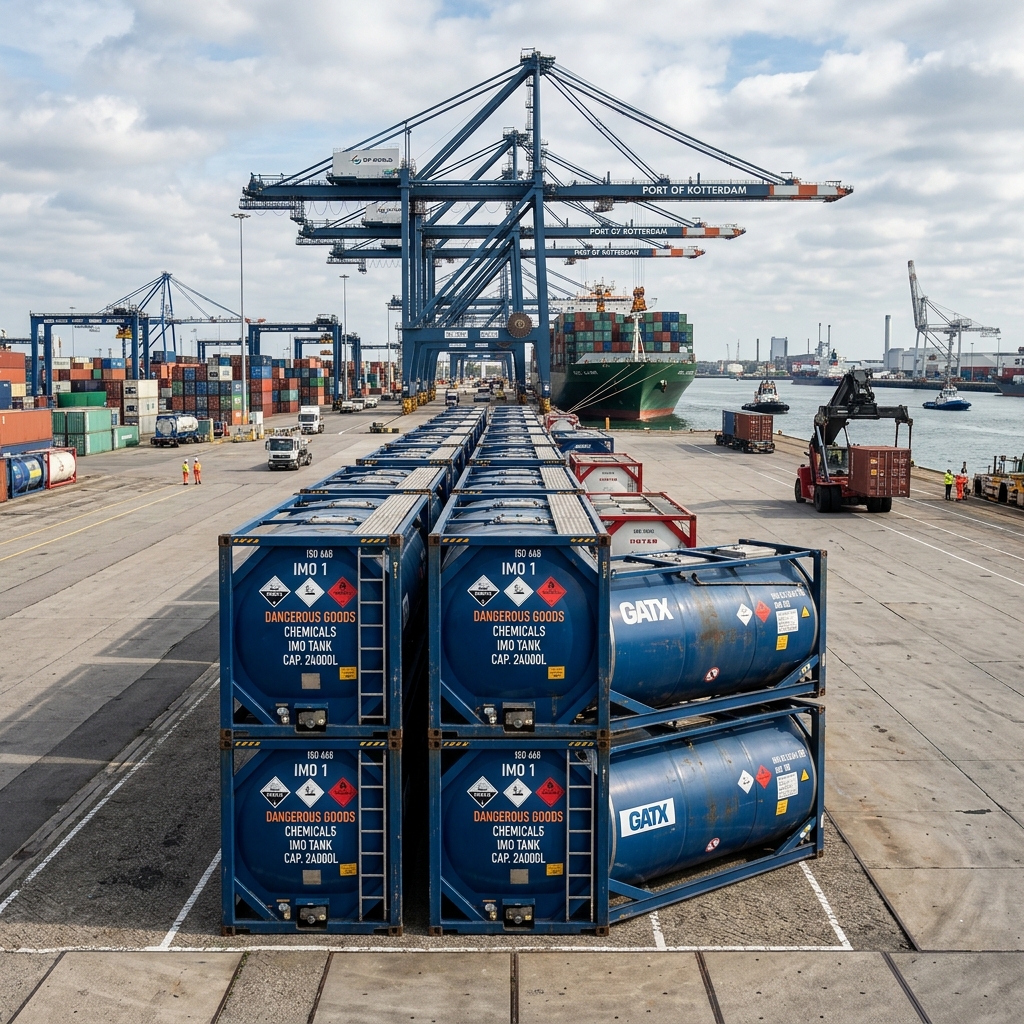
Dangerous goods typically carry a surcharge reflecting the additional handling, documentation, and stowage planning required, along with potential limits on which sailings can accept the cargo class in question. ISO tank container shipments add cleaning and repositioning fees between uses, plus tank certification costs where applicable.
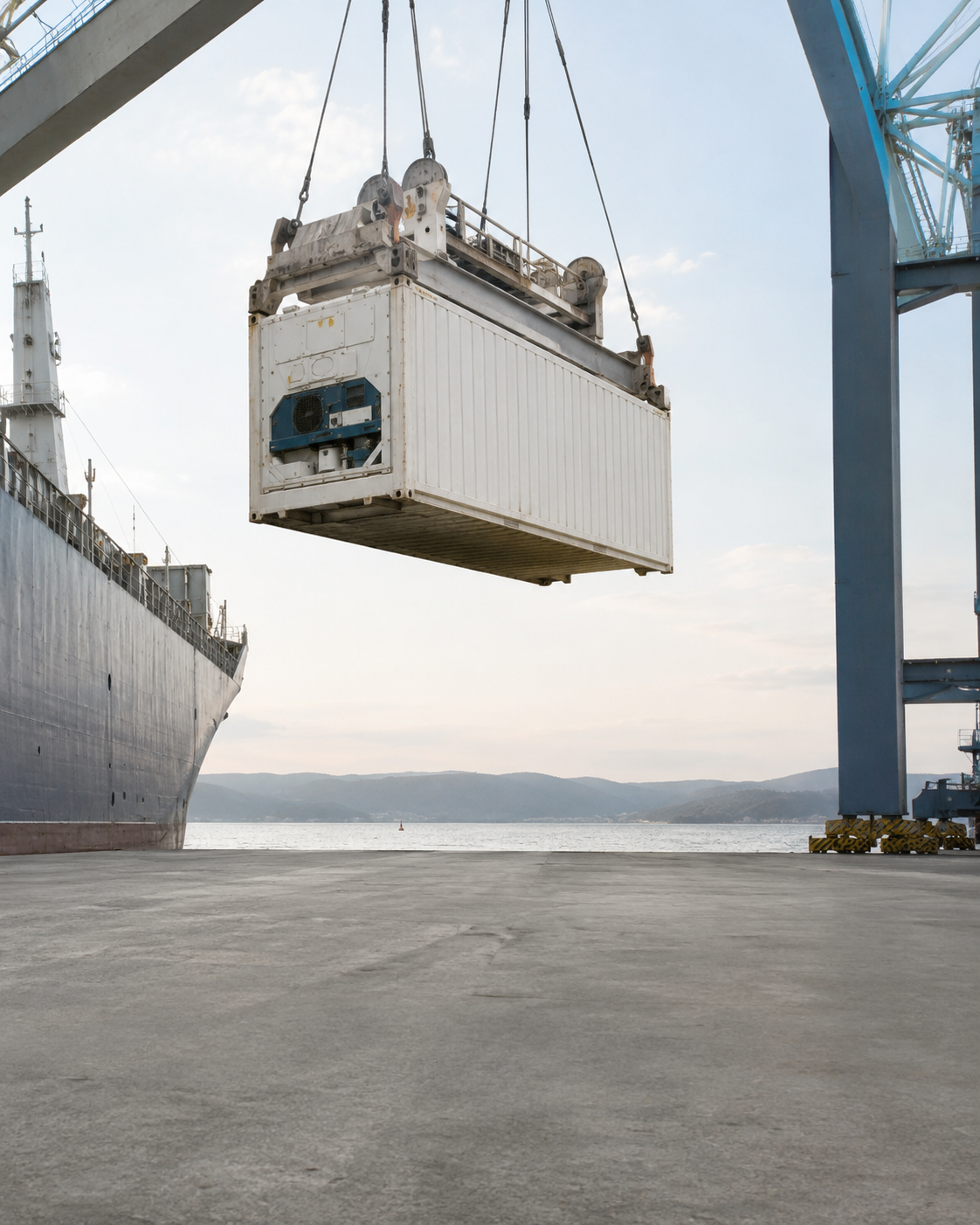
Breakbulk and project cargo pricing works differently from containerized freight altogether. Costs are typically calculated based on the specific lifting plan, vessel space required, and any specialized equipment needed at either port, which means these shipments are usually quoted individually rather than off a standard rate card.
Building a Realistic Landed Cost Estimate
A landed cost estimate that holds up needs five components: base freight, origin and destination handling, customs duty, VAT, and a reasonable allowance for accessorial charges based on your cargo type and shipping history. Importers who build estimates from all five, rather than the base freight rate alone, are far less likely to be surprised by the final invoice.
It's also worth revisiting your cost assumptions periodically rather than treating a quote from six months ago as still current. Freight rates, surcharges, and even duty classifications can shift, and a stale cost model leads to inaccurate landed cost projections for procurement planning.
Conclusion: Budget for the Full Journey, Not Just the Freight Leg
China to UAE freight pricing is a composite of several moving parts, and the base ocean or air rate is only the starting point. Building a realistic landed cost estimate means accounting for handling charges, duty and VAT based on accurate HS classification, and a reasonable allowance for accessorial fees tied to your specific cargo type. Ask your forwarder for an itemized, all-in quote rather than a single freight number, and revisit that estimate periodically as rates and regulations shift.
Ready to move forward? [Request a cargo assessment](/contact or quote request page)