
How to Ship Cargo from China to the UAE Step by Step
Every China to UAE shipment moves through the same basic sequence, regardless of whether it's a single pallet of electronics or a multi-container industrial order. What varies is how much attention each step demands, and where importers tend to lose time when they skip ahead. This guide breaks the process into the seven stages that actually determine whether your cargo clears Jebel Ali on schedule or sits waiting for a corrected document.
For the bigger picture on modes, costs, and cargo-specific handling, see the complete guide to shipping from China to the UAE, which this walkthrough builds on.
Key Takeaways
- The process runs through seven stages: cargo and Incoterm confirmation, booking, export documentation, origin clearance, transit, UAE import clearance, and final delivery.
- Most delays trace back to two points: incomplete or mismatched documentation before the vessel sails, and confusion over who is responsible for what under the chosen Incoterm.
- Booking earlier rather than closer to the sailing date protects space and rate stability, particularly during peak shipping periods.
- Cargo-specific steps, dangerous goods declarations, tank certification, or lifting plans, need to be built into the timeline from the start, not added after booking.
- An in-house UAE clearance capability removes a handoff between the freight forwarder and a separate customs agent, which is often where status updates and documents go missing.
Step 1: Confirm Cargo Details and Choose Incoterms
Everything downstream depends on getting the basics right at the start: what you're shipping, how much of it, its HS code classification, and which party is responsible for freight, insurance, and clearance at each leg of the journey.
Confirm the cargo's dimensions, weight, packaging, and any regulatory classification (dangerous goods, food-grade, restricted items) before requesting quotes. Misclassifying cargo at this stage is one of the more common reasons a booking later needs to be redone. Agree on the Incoterm with your supplier in writing, on the purchase order itself, not as a verbal understanding. FOB and CIF are the two most common choices for China–UAE shipments handled by an experienced forwarder, and each shifts responsibility for freight booking and destination clearance differently.
Step 2: Get Quotes and Book Freight
With cargo details and Incoterm confirmed, request quotes from your forwarder covering the full route: origin handling, ocean or air freight, destination handling, and any cargo-specific surcharges. A quote that only shows the base freight rate isn't a complete picture of what you'll pay.
Book earlier than feels necessary, particularly for FCL sailings during peak season or for RoRo and project cargo, where vessel space is tighter than on standard container services. Late bookings tend to cost more and offer fewer routing options, since the most competitively priced space fills first.
Step 3: Prepare Export Documentation in China
Your supplier or their agent typically prepares the commercial invoice, packing list, and certificate of origin on the China side, but it's worth reviewing these documents yourself, or having your forwarder review them, before the cargo is loaded. Quantities, weights, and product descriptions need to match exactly across every document in the set.
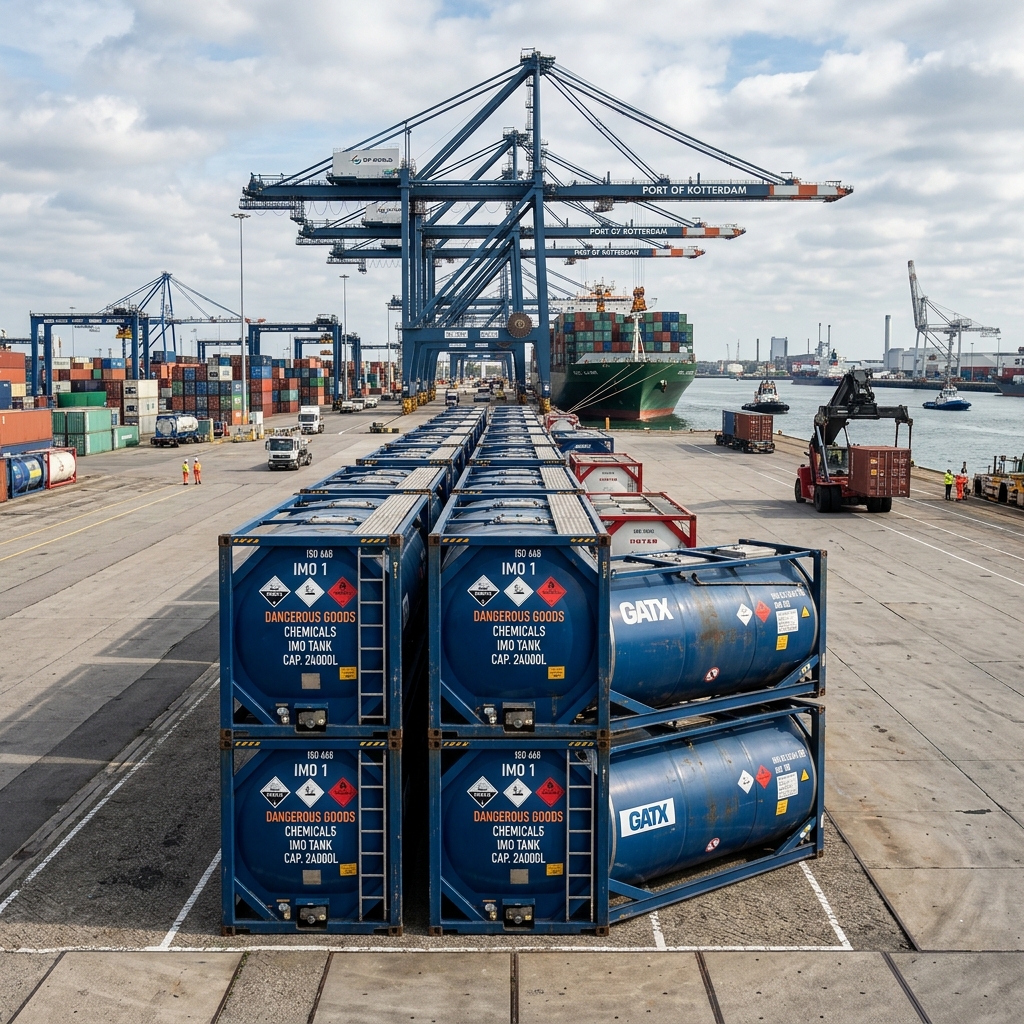
For dangerous goods, this step also includes preparing the dangerous goods declaration and confirming IMDG classification with the carrier before booking is finalized, since not every vessel or sailing accepts every class of hazardous cargo. For ISO tank containers, tank certification and cleaning records need to be in order before the tank is loaded.
The Essential Documentation Checklist for China–UAE Shipments
Step 4: Customs Clearance at Origin
Before cargo can be loaded onto a vessel or aircraft, it has to clear Chinese export customs. This involves submitting the export declaration along with the commercial invoice, packing list, and any required export licenses or permits for the specific goods being shipped.
Under FOB and EXW terms, this responsibility typically sits with the supplier or the buyer's China-side agent, so confirm who's handling it before assuming it's covered. A gap here is one of the more disruptive delays, because it stops the shipment before it even leaves the country.
Step 5: Ocean or Air Transit to Jebel Ali
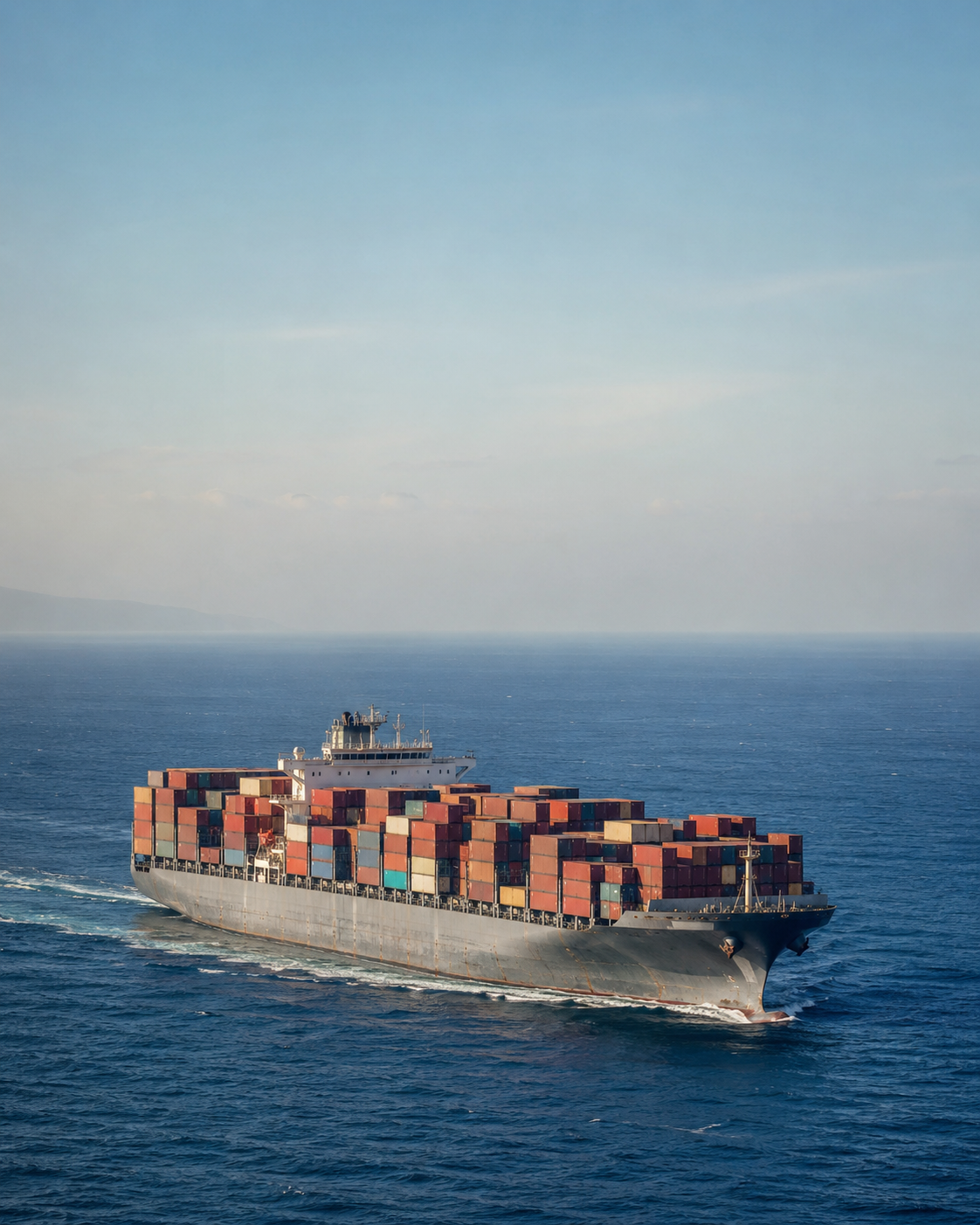
Once cleared for export, the cargo moves by sea or air to the UAE. Sea freight from major Chinese ports to Jebel Ali may run direct or via a transshipment hub, depending on the carrier's service and your origin port. Air freight moves faster but at a higher per-kilogram cost, and it's generally reserved for higher-value or time-sensitive goods.
During transit, your forwarder should be providing status updates, ideally proactively rather than only on request, so you have visibility into whether the shipment is tracking to the original schedule or facing a delay.
5 Common Mistakes Importers Make Shipping from China to the UAE
Step 6: Import Customs Clearance in the UAE
On arrival at Jebel Ali (or another UAE port, depending on routing), the cargo enters the import clearance process: submission of the import declaration and supporting documents, customs valuation, duty and VAT assessment, and, for certain categories, physical inspection before release.
This is where documentation accuracy from Step 3 pays off or doesn't. A mismatch between the commercial invoice and the bill of lading, or a missing certificate for a regulated product, can trigger a manual review that adds days to the timeline. Forwarders that handle UAE clearance and manifestation in-house, rather than outsourcing to a separate agent, generally resolve these issues faster, since the same team that booked the freight has direct access to the original documents and the clearance filing.
Step 7: Final Delivery to Consignee
Once cleared, the cargo moves from the port to its final destination, whether that's a UAE warehouse, a distribution center for onward GCC shipment, or a project site for breakbulk and heavy-lift cargo. Inland transport arrangements, trucking, permits for oversized loads, and any required escorts for heavy or hazardous cargo, should be confirmed before the vessel even arrives, not scrambled together after clearance.
For breakbulk and project cargo specifically, this step often needs its own lifting and route survey plan, coordinated in advance with the receiving site.
Frequently Asked Questions
How far in advance should I start the shipping process?
For standard FCL or LCL cargo, starting the booking and documentation process several weeks ahead of your target ship date gives enough buffer for peak season demand and any document corrections. Dangerous goods, ISO tank containers, and project cargo generally need a longer lead time because of additional classification, certification, or lifting-plan requirements.
Who is responsible for each step: me or my supplier?
That depends entirely on the Incoterm agreed on the purchase order. FOB and EXW place more responsibility on the buyer for freight booking and clearance; CIF and DDP shift more of that responsibility to the supplier. Confirm this in writing before booking, not after a step falls through.
What's the single most common point of failure in this process?
Documentation mismatches, quantities, weights, or descriptions that don't reconcile across the commercial invoice, packing list, and bill of lading, are consistently one of the most common causes of delay at UAE customs.
Putting the Steps Together
None of these seven steps is complicated in isolation. What makes China–UAE shipping feel harder than it needs to be is coordinating them under a single timeline, especially when cargo-specific requirements (dangerous goods, tank containers, breakbulk) add extra steps that a standard containerized shipment doesn't need. A forwarder who manages freight booking and UAE clearance under one roof removes at least one coordination point from that timeline.
Ready to move forward? [Request a cargo assessment](/contact or quote request page)