China-UAE Trade Trends to Watch in 2026
The China–UAE trade lane doesn't stay static from year to year. Capacity, regulatory requirements, and the UAE's role as a regional distribution hub all shift, and those shifts change what importers should plan for even when the underlying shipping process stays the same. This analysis covers the trends most relevant to importers and procurement managers currently shipping, or planning to ship, on this corridor.
These trends sit on top of the fundamentals covered in the complete guide to shipping from China to the UAE, and several connect directly to cost and compliance topics covered elsewhere on this site.
Key Takeaways
- The UAE's role as a re-export and distribution hub for the wider GCC continues to shape why so much China-origin cargo routes through Jebel Ali specifically.
- Regulatory and compliance requirements around product certification and HS classification are worth monitoring rather than assuming they're static year to year.
- Diversification of cargo types, particularly in dangerous goods, bulk liquids, and project cargo categories, reflects a broader shift toward more specialized freight needs on this lane.
- Freight rate volatility remains a planning factor; importers who build flexibility into budgets fare better than those anchored to a single quoted rate.
- Forwarders offering in-house customs clearance are increasingly positioned to handle the compliance complexity that comes with a diversifying cargo mix.
The UAE's Position as a Regional Distribution Hub
The UAE, and Jebel Ali specifically, functions as more than a destination market for China-origin cargo. A meaningful share of goods arriving from China are distributed onward across the wider GCC region, which means decisions about UAE routing and clearance efficiency have downstream effects beyond the initial import. This re-export function is a structural reason the corridor has remained significant regardless of shorter-term trade fluctuations.
For importers, this means Jebel Ali's efficiency, and any changes to how quickly cargo clears and moves onward, matters even for businesses whose end customers sit outside the UAE itself.
Regulatory and Compliance Developments to Watch
Product certification requirements, HS classification standards, and customs valuation practices are areas where requirements can shift, sometimes with limited advance notice for importers who aren't actively monitoring them. Importers who treat compliance requirements as fixed based on a previous shipment's experience are more exposed to this kind of change than those who confirm current requirements before each shipment or shipment cycle.
This is particularly relevant for regulated product categories, food, electronics, chemicals, where certification and permit requirements tend to see more frequent adjustment than requirements for general unregulated merchandise.
China to UAE Import Regulations and Compliance Explained
Diversification Toward Specialized Cargo Types
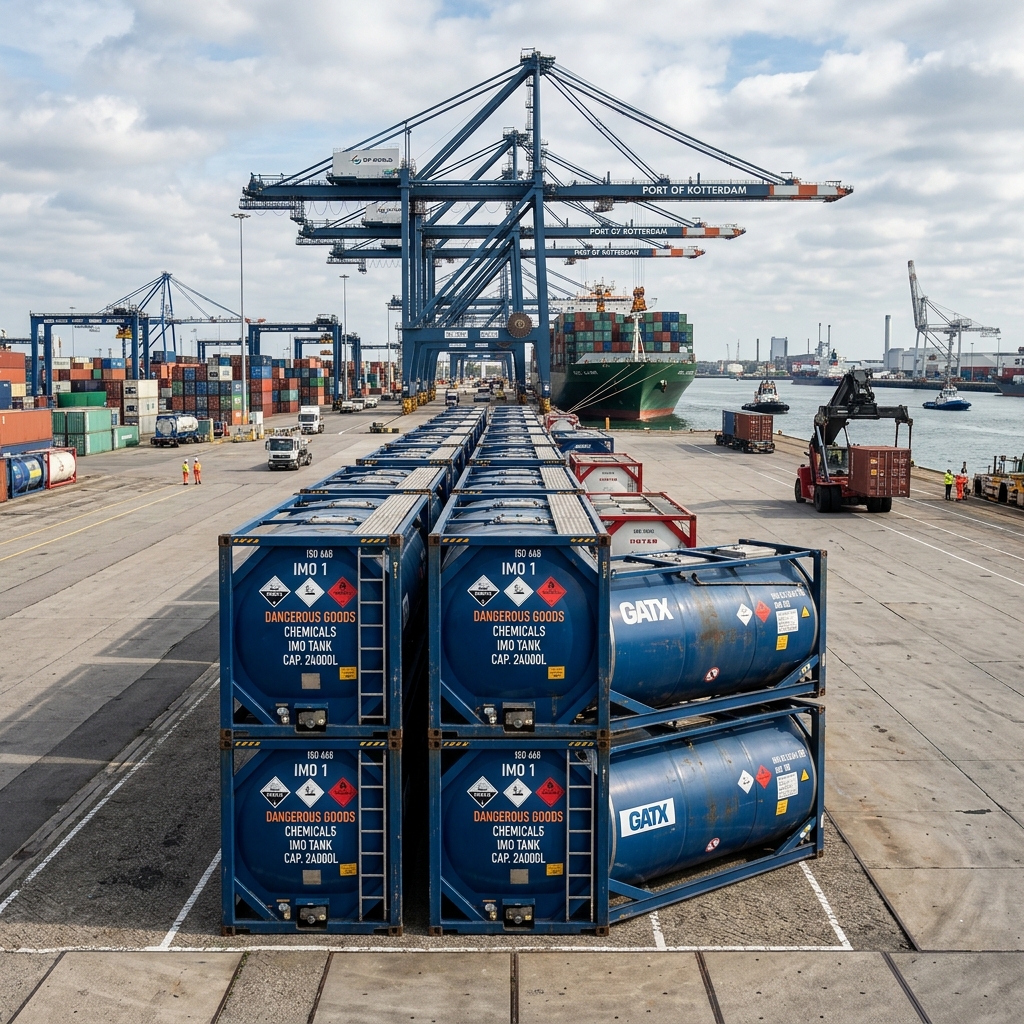
Beyond standard containerized general cargo, demand for specialized handling, dangerous goods, ISO tank containers, RoRo, and breakbulk/project cargo, reflects a broader pattern of increasingly diverse cargo moving on this lane. Industrial and infrastructure activity in the UAE and wider GCC region continues to generate demand for machinery, equipment, and bulk material imports that don't fit standard container shipping.
This diversification raises the bar for forwarder capability on the corridor. A forwarder built primarily around standard containerized freight isn't necessarily equipped to handle the classification, stowage, and lifting-plan requirements that dangerous goods, tank containers, and project cargo bring with them.
China to UAE Shipping FAQ: Answers to the Questions Importers Ask Most
Freight Rate Volatility and Capacity
Ocean freight rates on the China–UAE lane, like most major trade lanes, respond to fuel costs, vessel capacity additions or reductions, and seasonal demand cycles. Importers who anchor budgets to a single quoted rate, rather than building in a reasonable variance range, are more likely to be caught off guard when rates shift between quote and shipment.
Booking further ahead of the sailing date, particularly during periods of tighter capacity, remains one of the more reliable ways to manage this volatility, since last-minute bookings tend to face both higher rates and fewer routing options.
Why In-House Clearance Capability Matters More as Cargo Mix Diversifies
As more importers move specialized cargo, dangerous goods, tank containers, project cargo, alongside standard containerized freight, the coordination cost of outsourced, multi-party customs clearance becomes more visible. Specialized cargo tends to generate more document corrections and compliance questions than standard general cargo, and each of those touches customs clearance directly.
Forwarders that manage both freight booking and UAE clearance and manifestation in-house are positioned to handle that coordination without an extra handoff between the freight team and a separate clearing agent, which becomes more valuable, not less, as a company's cargo mix diversifies beyond standard containers.
What This Means for Importers Planning 2026 Shipments
Three practical takeaways follow from these trends. First, don't treat compliance requirements as static; confirm current permit, certificate, and classification requirements before each shipment cycle rather than relying on what a previous shipment needed. Second, build rate variance into freight budgets rather than anchoring to a single quote, and book ahead of the sailing date where possible to manage capacity-driven rate volatility. Third, if your cargo mix includes or is expanding into dangerous goods, tank containers, RoRo, or project cargo, weigh a forwarder's specialized cargo experience and in-house clearance capability more heavily than you would for standard containerized freight alone.
How to Ship Cargo from China to the UAE Step by Step
Conclusion: Plan Around the Trend, Not Just the Current Rate
The China–UAE lane's fundamentals, sea freight as the default mode, Jebel Ali as the primary gateway, documentation accuracy as the biggest controllable delay factor, remain stable year to year. What shifts is the regulatory detail, the cargo mix, and the rate environment layered on top of those fundamentals. Importers who build in periodic reviews of compliance requirements, rate assumptions, and forwarder capability are better positioned to adapt as those layers change through 2026.
Ready to move forward? [Request a cargo assessment](/contact or quote request page)