
Frequent Pitfalls Importers Face Shipping from China to the UAE
Most delays and cost overruns on the China–UAE lane trace back to a small, repeatable set of mistakes rather than one-off bad luck. Recognizing them in advance is the fastest way to avoid them. This list draws on the recurring patterns forwarders see on this specific corridor, not generic shipping advice that applies everywhere equally.
These mistakes sit inside the broader process covered in the complete guide to shipping from China to the UAE, and several of them connect directly to steps in that process.
Key Takeaways
- Budgeting off the base freight quote alone, without handling charges, duty, VAT, and accessorials, is the single most common source of cost surprises.
- Mismatched documentation across the commercial invoice, packing list, and bill of lading is a leading cause of customs holds at Jebel Ali.
- Misclassifying dangerous goods, or failing to recognize a product qualifies as dangerous goods, creates both compliance risk and shipment delays.
- Booking vessel or air space too close to the sailing date during peak periods limits routing options and can raise costs.
- Choosing a forwarder on price alone, without verifying cargo-specific experience, often costs more in delays and rework than it saves upfront.
Mistake 1: Budgeting Off the Freight Quote Alone
The quoted ocean or air freight rate covers exactly one line item in the total cost of landing goods in the UAE. Origin and destination handling charges, customs duty, VAT, and accessorial fees like demurrage or peak season surcharges all add to that base number, and importers who plan procurement budgets around the freight quote alone routinely find the final invoice noticeably higher than expected.
The fix is straightforward: request an itemized, all-in landed cost estimate before committing to a shipment, not just a freight rate. That estimate should separately list base freight, handling charges, an estimated duty and VAT calculation based on your product's HS code, and a reasonable allowance for accessorials based on your cargo type and shipping history.
China to UAE Freight Costs and Pricing in 2026: What Importers Should Expect
Mistake 2: Letting Documentation Mismatch Across the Paper Trail
The commercial invoice, packing list, and bill of lading need to describe the same cargo in the same terms: matching quantities, weights, descriptions, and values. A rounded weight on one document, or a product description that's more generic on the invoice than on the packing list, is a common trigger for a customs hold at Jebel Ali, even when the underlying shipment is entirely legitimate.
This is preventable with a second set of eyes reviewing the full document set before the cargo leaves China, ideally someone other than whoever prepared the documents in the first place. A short pre-shipment checklist, comparing every document line by line, catches most of these errors before they become a customs issue.
Mistake 3: Misclassifying or Missing Dangerous Goods
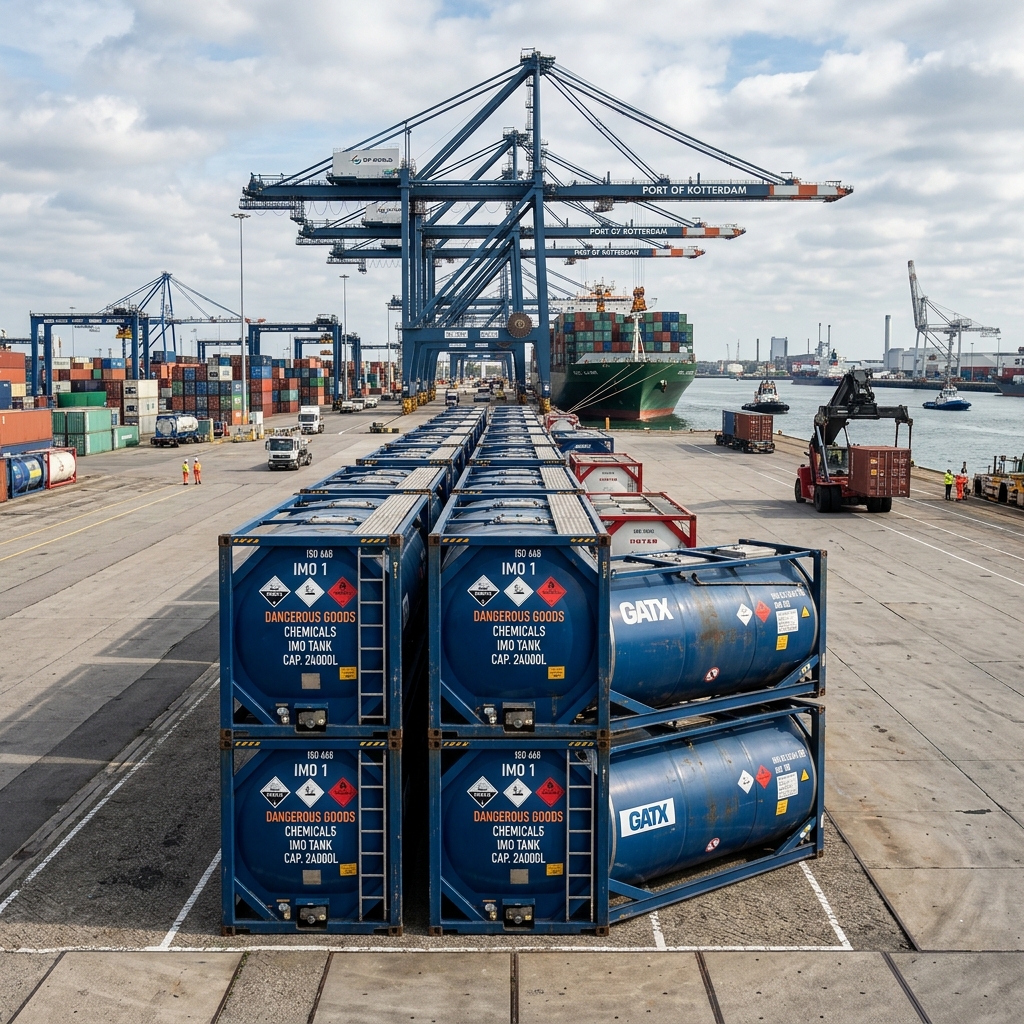
Some products qualify as dangerous goods under the IMDG Code without looking obviously hazardous to someone unfamiliar with the classification system: certain batteries, aerosols, and chemical formulations fall into this category. Shipping them without proper classification, packaging, labeling, and declaration isn't just a compliance risk; it can result in a shipment being refused by the carrier mid-process or held at port for reclassification.
The safeguard here is checking classification early, ideally at the sourcing stage, rather than assuming a product is standard general cargo because it doesn't look dangerous. If there's any doubt, get the classification confirmed by someone with dangerous goods expertise before booking.
The Complete Guide to Shipping Dangerous Goods from China to the UAE
Mistake 4: Booking Too Close to the Sailing Date
Vessel space, particularly FCL space during peak shipping periods, fills up. Booking close to the sailing date narrows your options to whatever capacity remains, which is often the more expensive or less direct routing. RoRo and project cargo space is typically even tighter than standard container capacity, which makes early booking more important, not less, for those cargo types.
Building booking lead time into your procurement calendar, rather than treating shipping as something to arrange once the goods are ready, gives you more routing options and generally better rate stability.
Mistake 5: Choosing a Forwarder on Price Alone
The lowest freight quote isn't always the lowest total cost, particularly when it comes from a forwarder without direct experience in your specific cargo type or this specific corridor. A forwarder unfamiliar with dangerous goods stowage rules, ISO tank container requirements, or breakbulk lifting plans can end up costing more in delays, rework, and demurrage than a marginally higher quote from a forwarder who handles that cargo type routinely.
Before committing, ask about the forwarder's direct experience with your cargo type, whether they handle UAE customs clearance in-house or outsource it, and their track record specifically on the China–UAE lane rather than general freight forwarding experience.
Case Study: Cutting Transit Delays on a China–UAE Electronics Shipment
Frequently Asked Questions
Which of these mistakes causes the most delay?
Documentation mismatches are consistently one of the most common triggers for customs holds at Jebel Ali, since they require a manual review and correction before the shipment can be released.
Can these mistakes happen even with an experienced forwarder?
Yes, though less often. An experienced forwarder reduces the likelihood of these issues through process (document review, classification checks, booking timelines) but doesn't eliminate the importer's role in providing accurate product information and Incoterm clarity upfront.
Is it worth paying more for a forwarder with cargo-specific experience?
For dangerous goods, ISO tank containers, and breakbulk or project cargo specifically, yes, usually. The cost of a delay or a misclassification issue on these cargo types tends to outweigh the difference between a specialist forwarder's rate and a generalist's rate.
Conclusion: Most of These Are Avoidable, Not Inevitable
None of these five mistakes require bad luck to happen; they happen because a step got skipped or assumed rather than confirmed. Budgeting off full landed cost instead of the freight quote, cross-checking documentation before the vessel sails, confirming cargo classification early, booking ahead of the sailing date, and vetting a forwarder's specific cargo experience close off most of the recurring delay and cost-overrun patterns on this lane.
Ready to move forward? [Request a cargo assessment](/contact or quote request page)