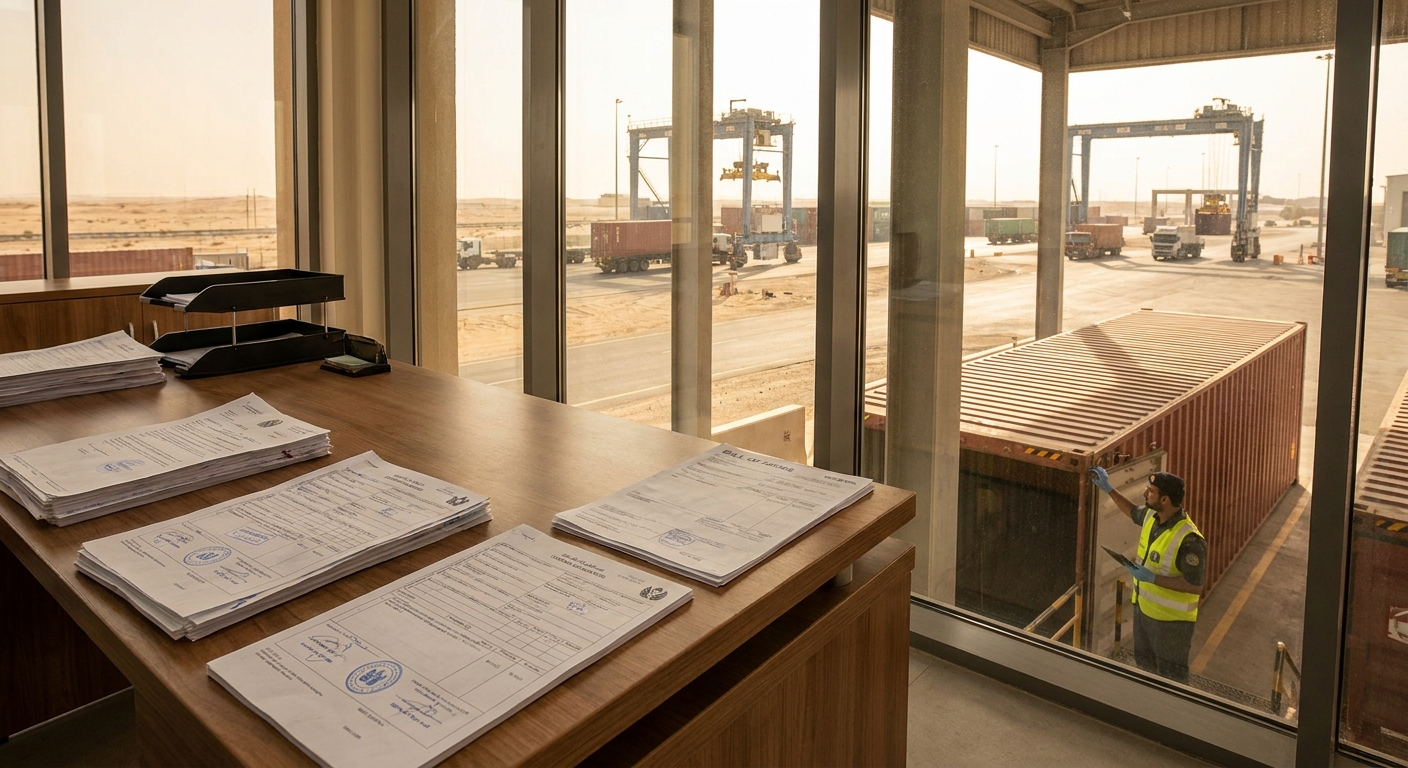
How to Choose a China–UAE Freight Forwarder: A Buyer's Guide
Choosing a freight forwarder is one of the few logistics decisions that quietly shapes every shipment that follows it. The forwarder you sign with determines which carriers and routes you can access, how your documentation gets prepared, how quickly a problem gets resolved when a container is held at customs, and, ultimately, how much your landed cost actually is once every fee is accounted for. On the China–UAE lane specifically, that decision carries extra weight because of the mix of cargo moving through it: containerized general merchandise alongside dangerous goods, bulk liquids in ISO tank containers, and oversized breakbulk or project cargo, each of which demands different expertise from a forwarder.
The Complete Guide to Shipping from China to the UAE
This guide is written for importers, procurement managers, and supply chain decision-makers evaluating a China–UAE freight forwarder, whether for the first time or because an existing relationship isn't working. It covers what a forwarder actually does on this lane, the criteria that separate a reliable partner from a risky one, what forwarding services typically cost, the practical difference between in-house and outsourced customs clearance, and how to switch providers without disrupting your supply chain.
Key Takeaways
- A freight forwarder's value on the China–UAE lane comes from three things: cargo-specific experience, carrier and customs relationships, and how they handle problems, not just their quoted rate.
- In-house UAE customs clearance and manifestation removes a handoff that commonly slows down document corrections and shipment releases at Jebel Ali.
- Cargo type matters more than general forwarding experience. A forwarder that's excellent with standard containers isn't automatically qualified to handle dangerous goods, ISO tank containers, or breakbulk and project cargo.
- Licensing, insurance coverage, and liability terms should be verified before signing, not assumed from a forwarder's marketing material.
- A written SLA covering communication cadence, escalation paths, and response times protects you when something inevitably goes wrong on a shipment.
- Switching forwarders is manageable with a structured onboarding checklist, but doing it mid-shipment or without a transition plan creates unnecessary risk.
In This Guide
This pillar article covers the full forwarder selection process at a high level. For deeper detail on any specific step, the related articles below go further into each topic:
- How to Vet a China–UAE Freight Forwarder Before Signing a Contract
- What China–UAE Freight Forwarder Services Actually Cost
- 5 Red Flags to Watch for When Hiring a China–UAE Freight Forwarder
- In-House Customs Clearance vs Third-Party Agents: Which Forwarder Model Wins
- Licensing and Compliance Requirements for UAE Freight Forwarders
- Onboarding Checklist for Switching China–UAE Freight Forwarders
- Case Study: How Single-Point-of-Contact Forwarding Cut a Client's Claims by Half
- China–UAE Freight Forwarder FAQ: Contracts, Liability, and SLAs
- What Importers Should Look for in a Freight Forwarder in 2026
Why the Right Freight Forwarder Matters More on This Lane
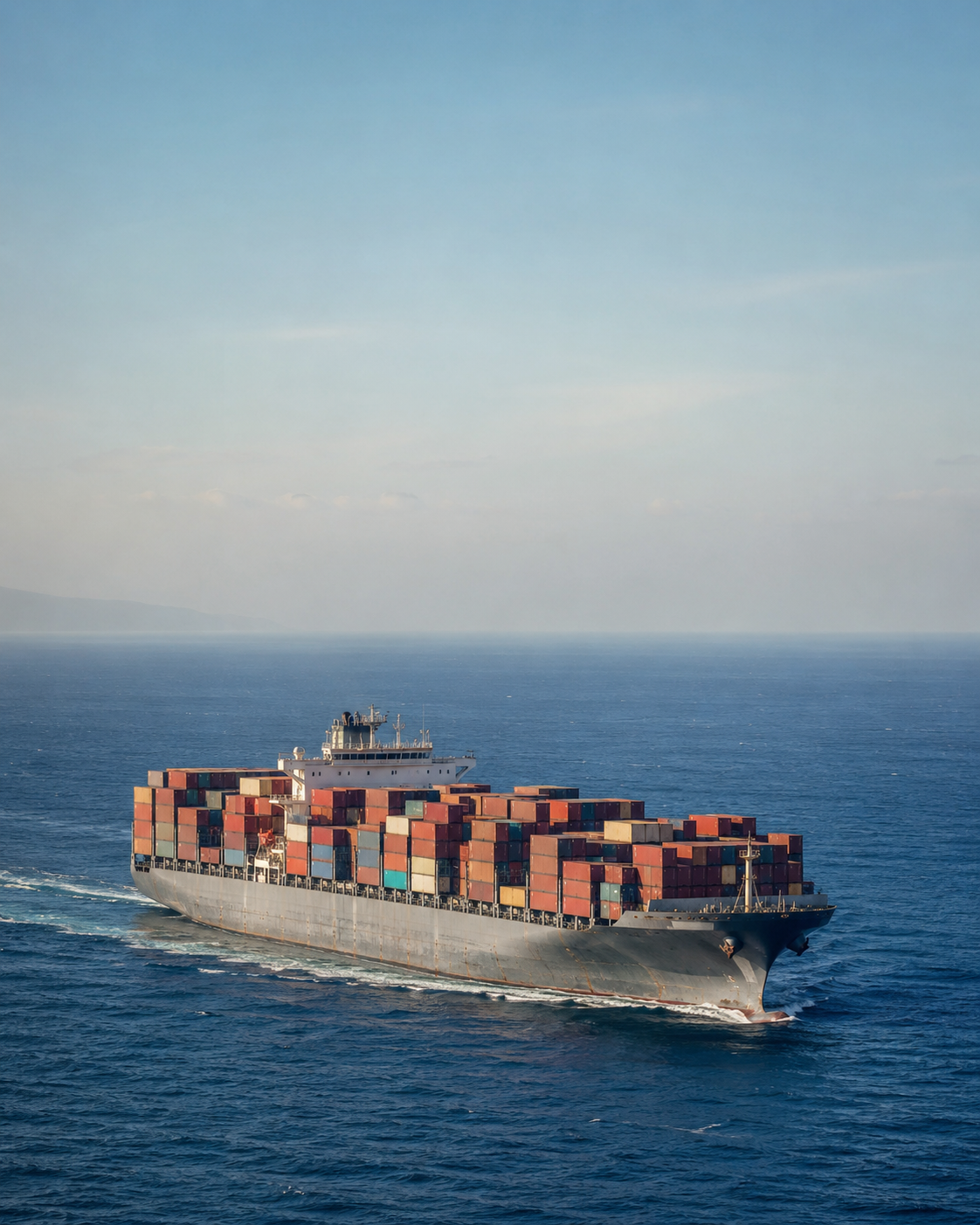
The China–UAE corridor isn't a simple point-to-point route. Cargo moves through some of the busiest export ports in the world, often via transshipment hubs, into Jebel Ali, one of the busiest transshipment ports globally, before clearing UAE customs and moving on to a warehouse, job site, or onward GCC distribution. Every link in that chain is a place where a forwarder's competence, or lack of it, shows up as either a smooth delivery or a costly delay.
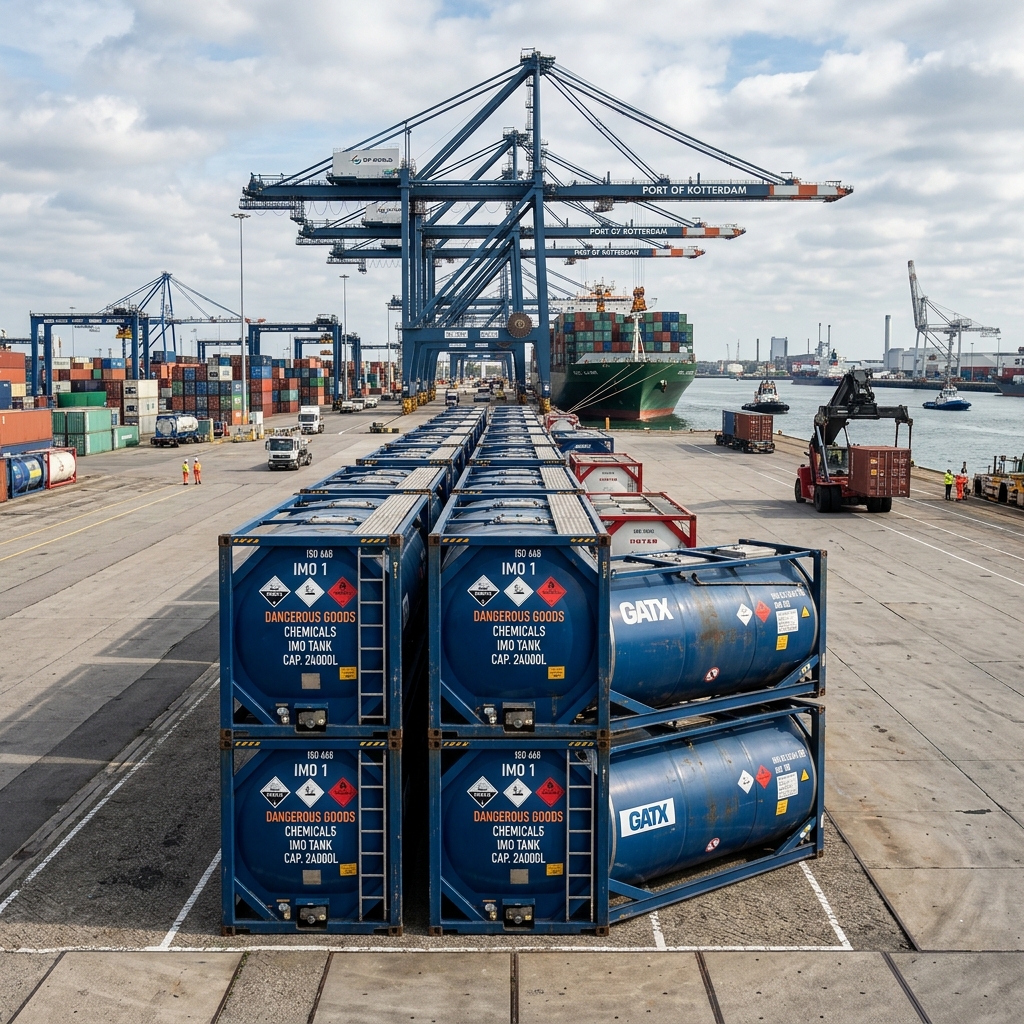
A generalist forwarder with no specific China–UAE track record can still move a standard container of general merchandise without much trouble. The gap becomes obvious with anything that isn't standard: dangerous goods that need correct IMDG classification and carrier acceptance, ISO tank containers that need certification and cleaning coordination, or breakbulk and project cargo that needs engineered lifting plans and berth coordination. Choosing a forwarder without cargo-specific experience on this lane is a bet that nothing unusual will happen, and on a corridor this busy, something eventually does.
What a China–UAE Freight Forwarder Actually Does
Before evaluating forwarders against each other, it helps to be precise about what the role covers, since "freight forwarder" gets used loosely and forwarders don't all offer the same scope of service.
Booking and Carrier Management
At the core, a forwarder books cargo space with ocean carriers or airlines, negotiates rates on your behalf (or passes through contract rates they hold), and manages the booking through to vessel or flight departure. This includes selecting routing, choosing between direct and transshipment services, and managing space during peak season when capacity is tight.
Documentation Preparation
A forwarder prepares or reviews the commercial invoice, packing list, bill of lading or air waybill, and certificate of origin, and checks that these documents reconcile with each other before the shipment departs China. For regulated cargo, this extends to dangerous goods declarations, tank certification records, or lifting and stowage plans.
The Essential Documentation Checklist for China–UAE Shipments
Customs Clearance and Manifestation
On the UAE end, cargo has to clear customs before release to the consignee. Some forwarders handle this in-house; others outsource it to a third-party clearing agent. This distinction affects speed, accountability, and cost, and it's significant enough that it deserves its own evaluation criterion later in this guide.
Cargo-Specific Handling
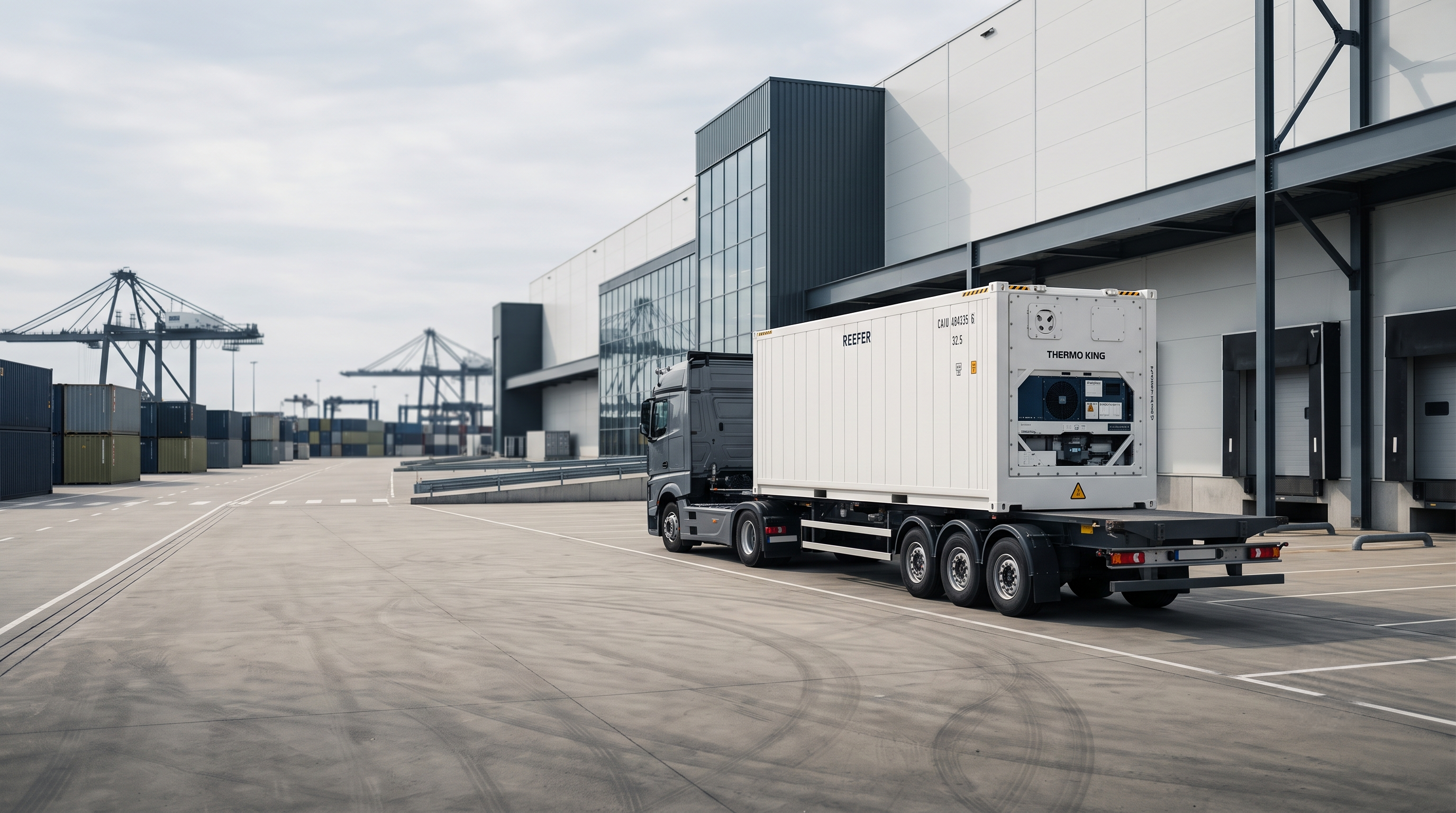
Dangerous goods, ISO tank containers, RoRo cargo, and breakbulk or project cargo each require handling that goes beyond standard container logistics: classification and carrier acceptance for hazmat, certification and cleaning coordination for tanks, vessel space management for RoRo, and lifting plans and route surveys for oversized cargo.
Core Criteria for Evaluating a Freight Forwarder
Price is the criterion most importers start with, and it's the one that causes the most regret when it's the only one used. A forwarder's quoted rate says almost nothing about how they'll perform when a shipment doesn't go according to plan, which is when the value of a good forwarder actually shows up.
Cargo-Specific Experience
Ask directly whether the forwarder has handled your specific cargo type on this specific lane, not just generally. A forwarder with strong general container experience may have never booked a dangerous goods shipment through Jebel Ali or coordinated a breakbulk lift at a UAE port. Ask for examples, not just a yes.
In-House vs Third-Party Customs Clearance
Whether clearance happens in-house or through a third-party agent affects how quickly document issues get resolved and who's accountable when something goes wrong. This is significant enough to compare in detail.
In-House Customs Clearance vs Third-Party Agents: Which Forwarder Model Wins
Licensing and Regulatory Compliance
A forwarder operating in the UAE needs the correct trade licensing and, depending on the cargo they handle, specific regulatory approvals. Verifying this isn't paranoia; it's the same diligence you'd apply to any vendor whose non-compliance becomes your problem the moment your cargo is in their hands.
Licensing and Compliance Requirements for UAE Freight Forwarders
Network and Carrier Relationships
A forwarder's carrier relationships affect the routing options, rate stability, and space availability you have access to, particularly during peak season. Forwarders with established volume on the China–UAE lane generally have more leverage to secure space when capacity tightens.
Communication and Point of Contact
Ask who your actual day-to-day contact will be, and what happens when that person is unavailable. A forwarder that routes every status update through a shared inbox or a rotating team creates friction exactly when you need a fast answer.
Pricing Transparency
A forwarder that itemizes freight, handling, customs, and accessorial charges upfront is easier to budget against than one that quotes a low headline rate and adds line items later. Ask for a full breakdown before comparing quotes side by side.
What China–UAE Freight Forwarder Services Actually Cost
Questions to Ask Before You Sign
A short, direct set of questions during initial conversations tends to surface more useful information than a formal RFP process, because the answers, and how confidently they're given, tell you a lot about how the forwarder actually operates day to day.
Ask how they handle a shipment that's been flagged for inspection or held at customs, and how quickly they typically resolve it. Ask what happens if a document needs correcting after the vessel has sailed. Ask for a reference client shipping similar cargo on the same lane. Ask what their liability coverage looks like if cargo is damaged or lost in transit. None of these questions have a single correct answer, but a forwarder that answers them clearly and specifically, rather than in generalities, is signaling operational maturity.
How to Vet a China–UAE Freight Forwarder Before Signing a Contract
Red Flags Worth Walking Away From
Some warning signs are consistent enough across the industry that they're worth naming directly: quotes that are significantly below market with no clear explanation, reluctance to put fee structures or liability terms in writing, no verifiable UAE trade license or customs registration, and vague or evasive answers about who handles clearance and how. Any one of these on its own might have an innocent explanation. More than one together is a reason to keep looking.
5 Red Flags to Watch for When Hiring a China–UAE Freight Forwarder
Understanding What Forwarder Services Actually Cost
Freight forwarder fees on the China–UAE lane go well beyond the base ocean or air freight charge. Forwarding fees, documentation fees, customs clearance charges, and cargo-specific handling costs (for dangerous goods, tank containers, or breakbulk) all factor into what you actually pay for a forwarder's services, separate from the carrier's freight rate itself.
What China–UAE Freight Forwarder Services Actually Cost
Comparing forwarders on their quoted service fee alone, without understanding what's included, is one of the more common ways importers end up with an unpleasant surprise on the final invoice. A lower service fee that excludes documentation handling or customs coordination isn't actually cheaper once those costs show up separately.
In-House Customs Clearance vs Third-Party Agents
Some forwarders handle UAE customs clearance and manifestation entirely in-house, using the same team that arranged the freight booking. Others outsource clearance to a separate third-party clearing agent once the cargo arrives. The practical difference shows up most clearly when something needs to be fixed quickly: a missing document, a valuation dispute, or a physical inspection hold.
With an in-house model, the same team that has visibility into the booking and documentation history can act on a clearance issue directly. With a third-party model, information has to pass from the forwarder to the agent, and back again, adding a coordination step at exactly the point in the process where speed matters most.
In-House Customs Clearance vs Third-Party Agents: Which Forwarder Model Wins
Onboarding a New Forwarder or Switching from an Existing One
Switching forwarders mid-relationship feels riskier than it usually needs to be. The risk comes from doing it without a plan, not from the switch itself. A structured onboarding process, covering account setup, documentation handoff, a defined cutover point for in-transit shipments, and a trial shipment before full volume moves over, keeps the transition from disrupting your supply chain.
Onboarding Checklist for Switching China–UAE Freight Forwarders
What Good Forwarding Looks Like in Practice
The criteria in this guide are easier to evaluate against a concrete example than in the abstract. A closer look at how consolidating freight booking and customs clearance under a single point of contact changed the outcome for one client's claims history illustrates why the in-house versus third-party distinction matters beyond theory.
Case Study: How Single-Point-of-Contact Forwarding Cut a Client's Claims by Half
Where Freight Forwarder Selection Is Heading in 2026
Importers evaluating forwarders in 2026 are weighing a few shifts that weren't as prominent a few years ago: growing scrutiny of dangerous goods compliance as regulatory enforcement tightens, more importers asking about digital shipment visibility and tracking rather than relying on manual status updates, and a stronger preference for forwarders who can demonstrate in-house customs capability rather than opaque third-party handoffs.
What Importers Should Look for in a Freight Forwarder in 2026
Frequently Asked Questions
How do I know if a freight forwarder is properly licensed in the UAE?
Ask for their trade license and customs registration details directly and verify them independently rather than taking a sales representative's word for it. A legitimate forwarder will not hesitate to provide this.
Licensing and Compliance Requirements for UAE Freight Forwarders
Should I choose a forwarder based on the lowest quoted rate?
Not on its own. A low rate that excludes documentation handling, in-house clearance, or cargo-specific expertise can end up costing more once accessorial charges, delays, or errors are factored in. Compare full-service scope, not just the headline number.
What's the difference between a freight forwarder and a customs broker?
A freight forwarder arranges transport and, often, documentation and customs clearance as part of a broader service. A customs broker specializes specifically in customs filing and clearance. Some forwarders hold in-house customs capability; others contract a broker as a third party.
How long does it take to switch freight forwarders?
It depends on cargo complexity and shipment volume, but a structured transition with a defined cutover point and a trial shipment typically takes a few weeks rather than happening overnight.
China–UAE Freight Forwarder FAQ: Contracts, Liability, and SLAs
Conclusion: Choosing a Forwarder Is a Risk Decision, Not Just a Price Decision
Selecting a China–UAE freight forwarder comes down to matching their actual capabilities, cargo-specific experience, in-house clearance capacity, licensing, and communication practices, against what your shipments actually need. The forwarders that perform best on this lane aren't necessarily the cheapest on paper; they're the ones whose experience and structure reduce the number of things that can go wrong, and who resolve issues quickly when something does.
If you're evaluating forwarders for dangerous goods, ISO tank containers, RoRo, or breakbulk and project cargo moving between China and the UAE, Farway handles freight booking and in-house UAE customs clearance and manifestation out of Jebel Ali under one roof.
Ready to move forward? [Request a cargo assessment](/contact or quote request page)