
China–UAE Port Routing FAQ: Transit Times, Transshipment, and Delays
Importers planning China–UAE shipments tend to ask a fairly consistent set of questions about routing once they move past the basics of picking a forwarder. This FAQ collects the questions that come up most often about transit times, transshipment, and how routing delays typically get handled, organized so you can jump to the specific question relevant to your shipment.
China–UAE Trade Routes and Port Guide: Ningbo, Shanghai, Shenzhen, Qingdao to Jebel Ali
Key Takeaways
- Transit time on this corridor varies by origin port, routing type, and season, and it should be confirmed for each specific shipment rather than assumed from a general rule.
- Transshipment isn't inherently a problem; it's a routing structure with its own tradeoffs between availability, cost, and added transit time.
- Delays can originate at multiple points: origin port congestion, transshipment hub congestion, vessel scheduling, or UAE customs clearance, and identifying which one applies helps set realistic expectations.
- Booking further in advance generally provides more routing flexibility, particularly for dangerous goods, tank containers, and project cargo.
- A forwarder with multi-carrier relationships can offer more rerouting options if a booked service runs into unexpected delay.
How Long Does It Take to Ship from China to the UAE?
Transit time depends on the origin port, the routing structure (direct versus transshipment), the specific carrier and vessel, and the time of year. There's no single accurate answer that applies to every shipment, which is why it's worth confirming current transit time estimates with your forwarder for the specific origin port and service you're booking, rather than relying on a general industry figure that may not reflect current conditions.
Ningbo to Jebel Ali: Transit Times, Costs, and Route Options
What Is Transshipment, and Is It a Problem?
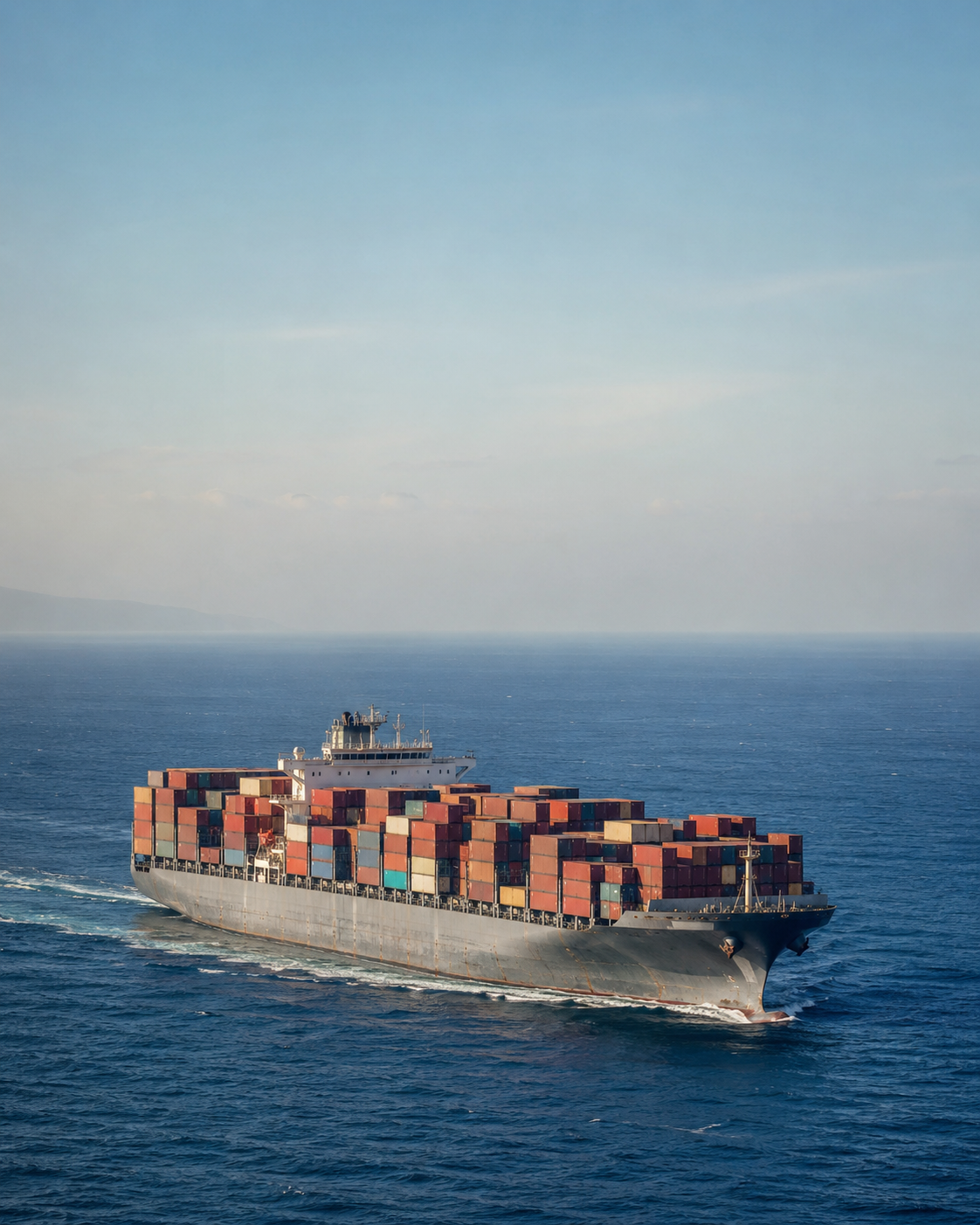
Transshipment means your cargo moves through an intermediate port, where it's transferred from one vessel to another, before reaching its final destination. It's a normal and common part of ocean freight, not inherently a problem, but it does add transit time and an additional handling event compared to a direct sailing. Transshipment routings are often more available or more cost-competitive than direct sailings, which is why they remain a common choice even though they add a step to the journey.
China–UAE Trade Routes and Port Guide: Ningbo, Shanghai, Shenzhen, Qingdao to Jebel Ali
Which Transshipment Hubs Are Commonly Used on This Corridor?
Cargo transshipping from China to Jebel Ali commonly routes through hub ports along the Indian subcontinent or in Southeast Asia, depending on the carrier and specific service. The exact hub used varies by carrier alliance and current vessel deployment, and it's worth asking your forwarder which hub a specific booking uses if transit time predictability matters for your shipment.
Why Did My Shipment's Transit Time Change After Booking?
A few things can shift transit time after a shipment is booked: the connecting vessel on a transshipment routing running behind schedule, congestion at the origin port, transshipment hub, or Jebel Ali itself, or a carrier adjusting its service rotation. These changes are usually outside the shipper's direct control, but a forwarder actively monitoring the shipment should be able to flag a developing delay early and, where a viable alternative exists, propose a rerouting option.
Case Study: Rerouting a Shenzhen Shipment During Peak Season Congestion
Is a Direct Sailing Always Worth the Extra Cost?
Not always. A direct sailing typically offers a shorter, more predictable transit time, which matters more for time-sensitive or high-value cargo than for cargo with a flexible delivery window. For less time-sensitive shipments, a transshipment routing at a lower cost, or with more frequent sailing options, can be the more practical choice even with the added transit time.
5 Mistakes Exporters Make Choosing a China–UAE Shipping Route
How Far in Advance Should I Book to Avoid Routing Problems?
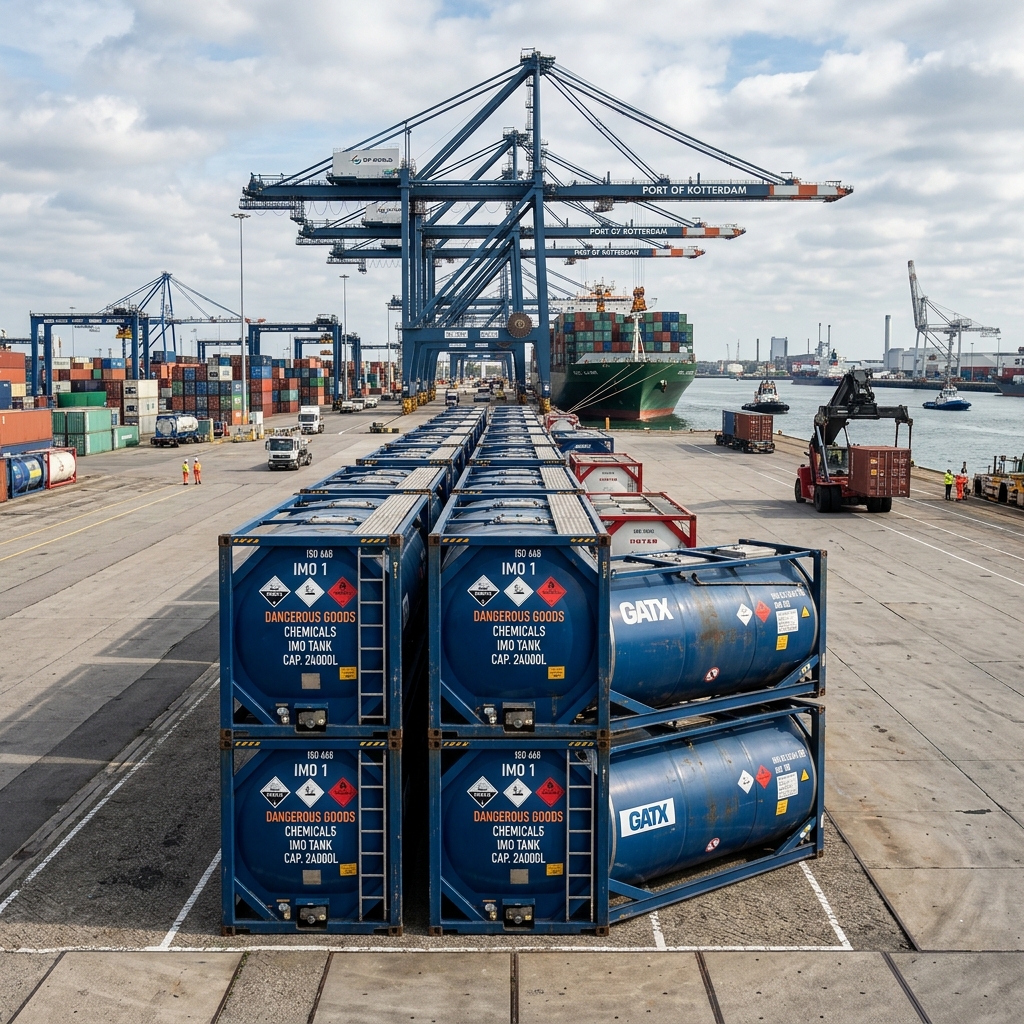
It depends on cargo type. Standard containerized cargo generally has more booking flexibility, since space is available across many services and carriers. Dangerous goods, ISO tank containers, and project cargo benefit from significantly more lead time, since they depend on vessel-specific capacity, tank availability, or lift capability that isn't guaranteed on every sailing. Booking these cargo types close to the intended ship date increases the risk of the shipment needing to wait for the next available compatible service.
What Happens If My Cargo Gets Delayed at a Transshipment Port?
If congestion or a scheduling issue affects the connecting vessel at a transshipment port, your forwarder should be monitoring the situation and able to advise on the realistic revised arrival estimate. In some cases, particularly during peak congestion periods, an alternative connecting service or routing may be available and worth pursuing rather than waiting out the delay on the originally booked connection.
Port Congestion and Capacity Trends on the China–UAE Corridor in 2026
Does the Routing Affect My Documentation?
Yes, in one specific way: the bill of lading and related shipping documents need to accurately reflect the full voyage, including any transshipment port, not just the origin and final destination. This is a detail worth double-checking, particularly if a shipment gets rerouted after departure, since the documentation needs to be updated to match the actual routing used.
Port-to-Port Documentation Checklist for China–UAE Ocean Freight
Does Every Shipment Need to Route Through Jebel Ali?
No. Jebel Ali handles the majority of China-origin cargo entering the UAE, but depending on cargo type and final destination within the UAE, another UAE port can sometimes be more efficient. This is worth discussing with your forwarder rather than assuming Jebel Ali applies by default to every shipment.
Jebel Ali Port Regulations and Berthing Requirements for China Imports
How Do I Know If My Forwarder Can Handle a Rerouting Situation Well?
Ask about their carrier relationships on the specific corridor you're shipping. A forwarder with active booking relationships across multiple carriers and routing options generally has more flexibility to propose and execute an alternative if a booked service runs into unexpected delay, compared to a forwarder reliant on a single carrier relationship for that lane.
Conclusion: Most Routing Questions Come Down to Planning and Communication
The questions covered here share a common thread: transit time, transshipment, and delay risk are all manageable with the right planning and a forwarder that communicates proactively rather than reactively. Confirming current transit estimates for your specific route, booking cargo-specific shipments with adequate lead time, and choosing a forwarder with genuine multi-carrier flexibility address most of what causes routing uncertainty on this corridor.
If you have a routing question specific to your cargo or timeline, Farway's team can walk through current options for your shipment.
Ready to move forward? [Request a cargo assessment](/contact or quote request page)