Case Study: Rerouting a Shenzhen Shipment During Peak Season Congestion
Route planning holds up well most of the time, until port congestion forces a decision mid-shipment that the original booking didn't account for. This case study walks through one such situation involving a Shenzhen-origin shipment bound for Jebel Ali during a peak shipping period, the rerouting decision that followed, and what changed in how the shipment, and later ones, were planned as a result.
Identifying details have been generalized to protect commercial confidentiality; the sequence of events and the decision logic reflect an actual routing scenario handled on this corridor.
China–UAE Trade Routes and Port Guide: Ningbo, Shanghai, Shenzhen, Qingdao to Jebel Ali
Key Takeaways
- Port congestion during peak shipping periods can force a rerouting decision after cargo has already left the factory, not just at the initial booking stage.
- Having a forwarder with multi-port booking relationships made an alternative routing available on short notice, rather than requiring the shipment to wait out the congestion.
- Clear, early communication about the delay risk gave the importer time to adjust downstream plans before the impact reached their customers.
- The shipment ultimately reached Jebel Ali with a shorter delay than an unmanaged wait for the originally booked service would have caused.
- The case prompted a standing practice of monitoring peak season congestion signals and pre-clearing alternative routing options before booking future shipments from the same origin port.
The Situation: A Standard Booking Meets Peak Season Congestion
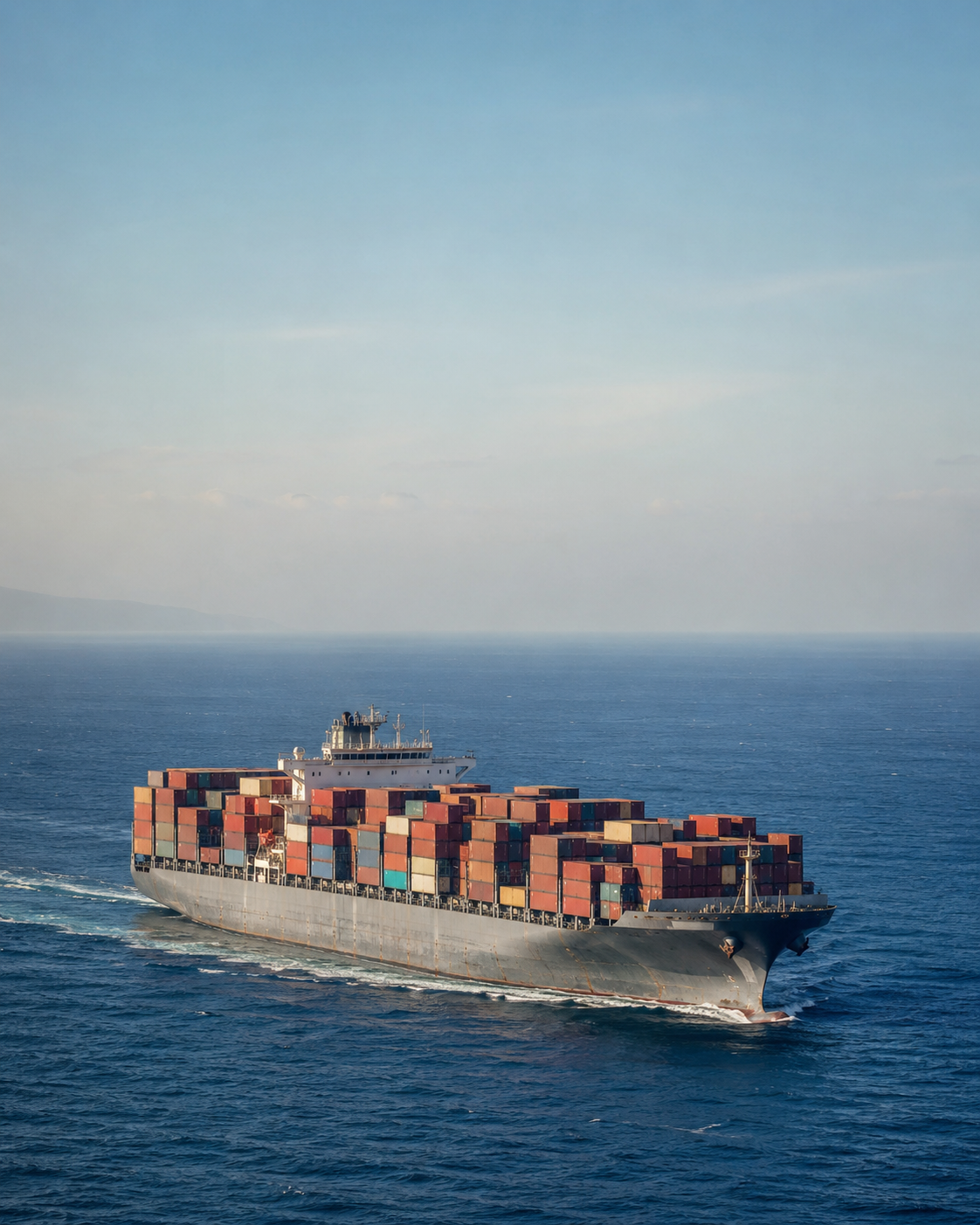
The shipment involved a container of consumer goods originating from a Shenzhen-based supplier, booked on a standard containerized service to Jebel Ali well ahead of a seasonal demand peak. The original routing was a transshipment service with an established, generally reliable transit time on this lane.
Shortly after the cargo was loaded and departed Shenzhen, congestion began building at the intended transshipment hub port, driven by a broader seasonal surge in regional shipping volume that was affecting multiple carriers' schedules, not just the one handling this shipment. The connecting vessel for the transshipment leg fell behind schedule, and it became apparent that the originally booked routing would produce a materially longer delay than the shipment's timeline could reasonably absorb.
The Challenge: Rerouting Cargo Already in Transit
Rerouting cargo that has already departed is a different problem than choosing a route at the booking stage. The container was already at sea, committed to a specific vessel and routing, which limited the available options to what could realistically be arranged given the cargo's current position and the connecting services still open to it.
The forwarder's task was to identify whether an alternative transshipment connection, or a different hub entirely, could pick up the cargo with less delay than continuing on the originally booked, now-congested routing.
5 Mistakes Exporters Make Choosing a China–UAE Shipping Route
The Decision Process: Evaluating Alternatives Under Time Pressure
Once the delay risk on the original routing became clear, the decision process moved through a few key questions. Was an alternative connecting service available at the same transshipment hub with less congestion exposure? Was a different transshipment hub entirely a viable option given the cargo's current position? What was the realistic delay comparison between staying on the original routing and switching to an alternative?
Because the forwarder maintained active booking relationships across multiple carriers and transshipment routings on this corridor, rather than relying on a single carrier relationship, an alternative connection with meaningfully less congestion exposure was identified and confirmed within a short window.
Communicating the Delay Risk to the Importer
Once the congestion risk was identified, the importer was notified promptly with a realistic revised delivery estimate, rather than waiting to see if the situation resolved on its own before communicating anything. This gave the importer time to adjust their own downstream commitments, including notifying their customers of a revised delivery window, before the delay became a surprise at the point of expected delivery.
Jebel Ali Port Regulations and Berthing Requirements for China Imports
The Outcome: A Shorter Delay Than the Original Routing Would Have Produced
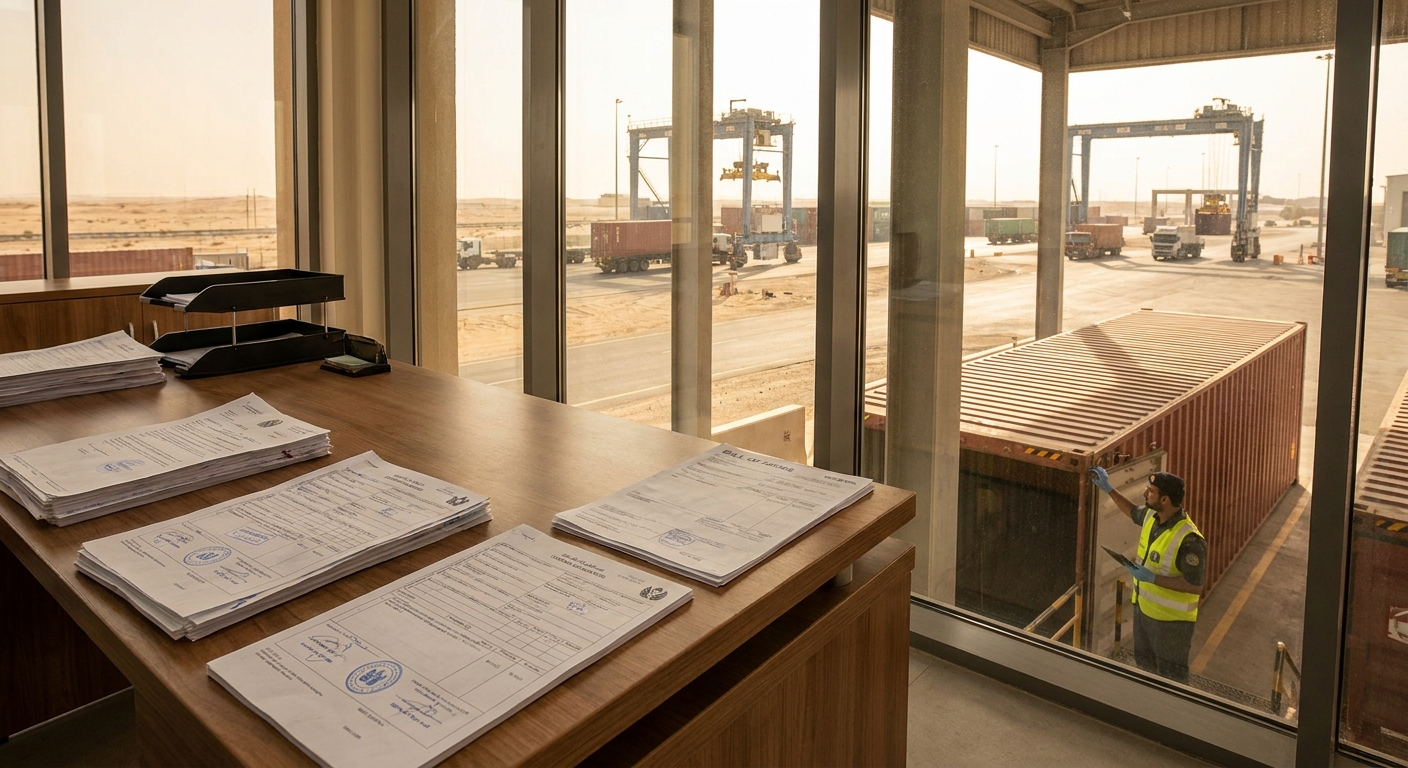
The rerouted shipment arrived at Jebel Ali with a delay relative to the original schedule, but a meaningfully shorter one than continuing on the congested original routing would have produced. Once discharged, the shipment moved through UAE customs clearance without additional complication, since the documentation had already been prepared correctly and didn't need to be revised to reflect the routing change beyond updating the bill of lading details for the new connecting service.
Port-to-Port Documentation Checklist for China–UAE Ocean Freight
What Changed for Future Shipments
This situation prompted a change in how peak season shipments from Shenzhen, and other origin ports on this corridor, get planned. Rather than booking a single routing and hoping congestion doesn't materialize, the practice shifted to actively monitoring congestion signals at key transshipment hubs ahead of peak periods and, where the cargo and timeline warranted it, pre-identifying an alternative routing before the original booking is even confirmed.
Port Congestion and Capacity Trends on the China–UAE Corridor in 2026
This doesn't eliminate congestion risk entirely, since peak season demand surges are, by nature, somewhat unpredictable in timing and severity. But it shortens the response time when congestion does materialize, since an alternative routing option has already been scoped rather than needing to be identified from scratch under time pressure.
What This Case Illustrates for Other Importers
A few practical lessons carry over from this case to other China–UAE shipments, particularly during peak shipping periods. First, a forwarder with active multi-carrier and multi-route relationships has meaningfully more rerouting flexibility than one reliant on a single carrier or routing. Second, early and honest communication about delay risk, rather than waiting to see if a problem resolves itself, gives importers more room to manage downstream impact. Third, peak season congestion risk is worth actively monitoring and planning around ahead of time, not just reacting to once a specific shipment is affected.
Frequently Asked Questions
Can cargo always be rerouted once it's already departed?
Not always, and the available options depend heavily on the cargo's current position, the specific routing it was booked on, and what alternative connections are realistically available at that point. Rerouting cargo already at sea is generally more constrained than choosing a route at the original booking stage.
Does rerouting mid-shipment usually cost more?
It can, depending on the specific alternative routing and carrier involved, though the added cost needs to be weighed against the cost of the delay the original routing would have produced. In many cases, the time saved justifies a modest cost difference, particularly for time-sensitive cargo.
China–UAE Port Routing FAQ: Transit Times, Transshipment, and Delays
Conclusion: Rerouting Flexibility Is a Forwarder Capability, Not a Guarantee
Peak season congestion is a recurring risk on the China–UAE corridor, and no routing choice eliminates it entirely. What separates a manageable delay from a costly one is often the forwarder's ability to identify and execute an alternative routing quickly, and to communicate the situation clearly to the importer along the way.
Farway maintains active multi-carrier booking relationships across the major China–UAE routes specifically to keep this kind of rerouting flexibility available when peak season conditions demand it.
Ready to move forward? [Request a cargo assessment](/contact or quote request page)