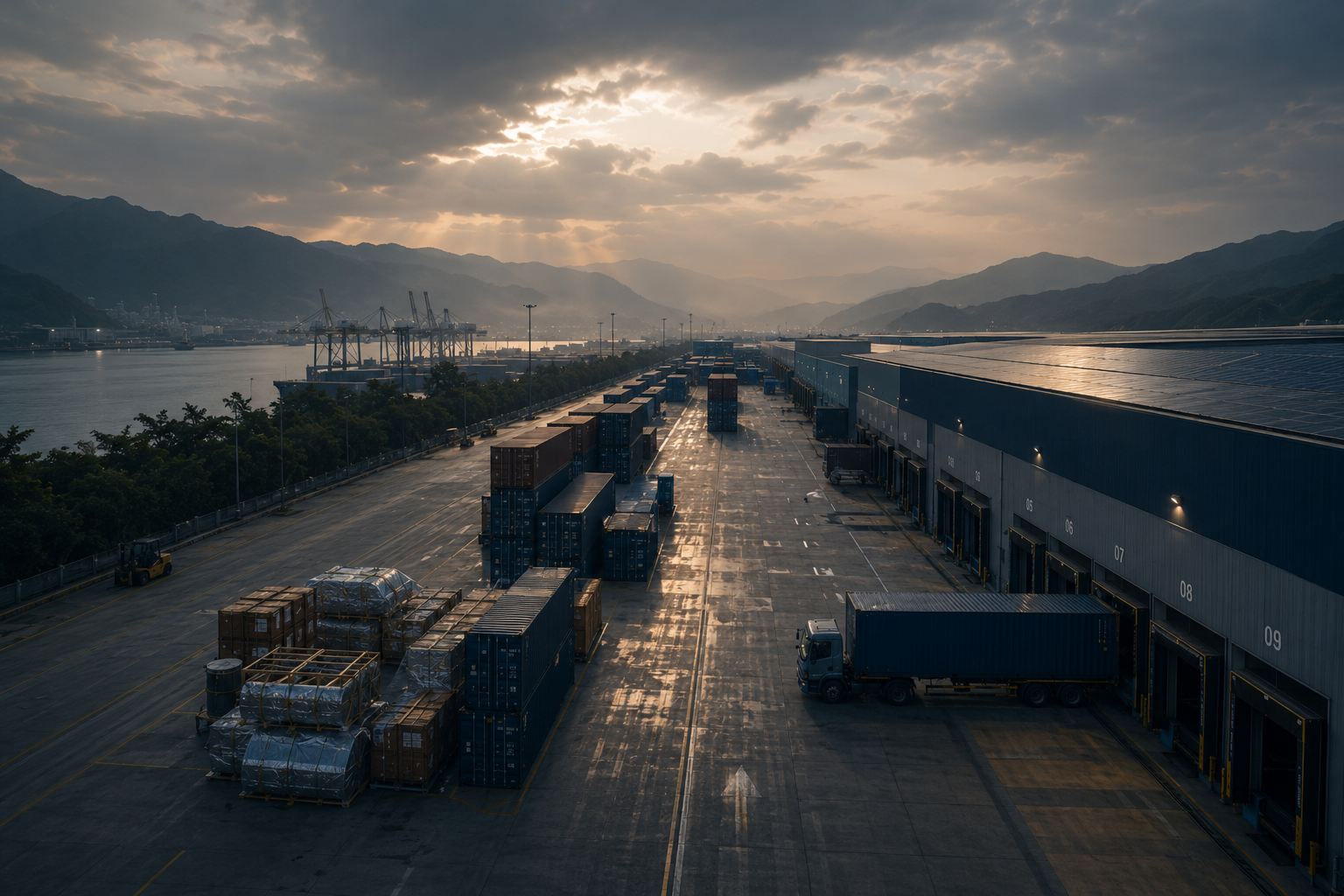
Port Congestion and Capacity Trends on the China–UAE Corridor in 2026
Port congestion and vessel capacity conditions on the China–UAE corridor don't stay fixed from one year to the next. They shift with global shipping demand, carrier vessel deployment decisions, and conditions at the specific ports and transshipment hubs cargo passes through. This article looks at the factors currently shaping congestion and capacity on this corridor and what they mean for importers planning shipments through the rest of 2026.
Because congestion and capacity conditions change over shorter cycles than most trade data gets published and verified, several figures in this analysis are flagged as needing current verification rather than stated as fact. Importers should treat directional trends here as a planning input, and confirm current, specific conditions with a forwarder before making time-sensitive routing decisions.
China–UAE Trade Routes and Port Guide: Ningbo, Shanghai, Shenzhen, Qingdao to Jebel Ali
Key Takeaways
- Congestion on this corridor isn't constant; it tends to concentrate around known seasonal demand peaks and can be exacerbated by disruptions elsewhere in global shipping.
- Both Chinese origin ports and transshipment hubs along the routing to Jebel Ali contribute to overall congestion risk, not just the destination port itself.
- Vessel capacity deployment by carriers on this corridor responds to demand with a lag, which can create temporary tightness even when underlying trade volume is growing predictably.
- Jebel Ali's continued investment in terminal capacity is a relevant factor in how well the destination side of the corridor absorbs volume growth.
- Importers who monitor congestion signals and build in routing flexibility ahead of known peak periods are better positioned than those who book reactively.
Why Congestion Conditions Matter Beyond a Single Shipment
Port congestion affects more than the specific vessel or terminal experiencing it. It ripples through vessel schedules, container availability, and booking lead times across the wider network, which is why a congestion event at a single transshipment hub can affect delivery timelines for cargo that never physically passes through the most visibly congested terminal. For importers planning shipments on the China–UAE corridor, understanding where congestion risk currently concentrates is more useful than reacting to it shipment by shipment.
Where Congestion Risk Concentrates on This Corridor
Origin Port Congestion in China
Congestion at major Chinese export ports tends to build around known seasonal patterns, including periods tied to manufacturing cycles and broader shipping demand peaks. When congestion builds at an origin port, the effect shows up first as extended booking lead times and reduced empty container availability, before it shows up as an actual sailing delay.
Transshipment Hub Congestion
Cargo routing through a transshipment hub is exposed to congestion risk at that hub, independent of conditions at either the origin or destination port. A hub port operating well below capacity can absorb schedule variability without much visible impact; one operating near capacity has much less buffer, and a relatively small disruption can cascade into longer connecting vessel delays across many shipments simultaneously.
China–UAE Port Routing FAQ: Transit Times, Transshipment, and Delays
Jebel Ali Capacity and Throughput
On the destination side, Jebel Ali's terminal capacity and throughput determine how efficiently the port absorbs both scheduled volume and any surge in cargo that follows a period of upstream congestion elsewhere on the corridor. DP World has continued to invest in terminal capacity and technology at Jebel Ali, which is a relevant factor in the port's ability to handle growing or uneven cargo flows without translating upstream delays into destination-side bottlenecks as well.
Jebel Ali Port Regulations and Berthing Requirements for China Imports
What's Driving Vessel Capacity Decisions on This Corridor
Carriers adjust vessel deployment and service frequency on the China–Middle East trade lane based on demand signals, but that adjustment happens with a lag. A period of strong demand growth can outpace the carrier capacity currently deployed on the corridor, creating temporary tightness in available space and upward pressure on freight rates until carriers add capacity or adjust service frequency in response. The reverse also happens: a demand slowdown can leave carriers with more deployed capacity than current volume needs, which tends to ease space constraints and put downward pressure on rates.
This lag is a structural feature of container shipping capacity planning generally, not something specific to this corridor, but it's worth understanding because it means current booking difficulty or ease isn't necessarily a reliable predictor of conditions a few months out.
Seasonal Patterns Worth Planning Around
Shipping demand on the China–UAE corridor, like most major trade lanes, isn't flat throughout the year. Periods tied to manufacturing and shipping cycles in China, along with demand patterns on the UAE and broader GCC side, create recurring windows where booking space tightens and transit reliability tends to dip. Importers who have shipped on this corridor for multiple years typically develop a working sense of when these windows fall, but it's worth confirming current-year timing with a forwarder rather than assuming last year's pattern repeats exactly.
Case Study: Rerouting a Shenzhen Shipment During Peak Season Congestion
What This Means for Shipments Planned Through the Rest of 2026
For importers planning China–UAE shipments in the coming months, a few practical implications follow from these dynamics. Booking further ahead of known seasonal demand peaks reduces exposure to the tightest capacity windows. Working with a forwarder that has multi-carrier relationships provides more options if a specific service runs into congestion-related delay. And for dangerous goods, ISO tank containers, or project cargo, where vessel-specific capacity constraints already narrow the available options, building in extra lead time during periods of elevated corridor-wide demand matters even more than it does for standard containerized cargo.
How to Choose the Right Chinese Port for Your UAE-Bound Cargo
How to Stay Ahead of Changing Conditions
Congestion and capacity conditions on this corridor are dynamic, which means a single article, including this one, provides a snapshot rather than a permanently accurate picture. The most reliable way to stay current is an ongoing relationship with a forwarder actively monitoring carrier schedules, port conditions, and demand signals on this specific corridor, rather than relying on general industry commentary that may lag current conditions by weeks or months.
Frequently Asked Questions
Is congestion on this corridor currently worse or better than in recent years?
This varies over time and depends on which specific segment of the corridor, origin port, transshipment hub, or Jebel Ali itself, is being assessed. Current, verified conditions should be confirmed with a forwarder actively tracking this corridor rather than assumed from general trend commentary.
How much extra lead time should I build in during a known peak period?
It depends on cargo type and current carrier capacity conditions, which vary enough that a fixed rule isn't reliable. As a general practice, standard containerized cargo needs less additional lead time than dangerous goods, tank containers, or project cargo, which depend on more constrained vessel-specific capacity.
Will Jebel Ali's capacity investments meaningfully reduce destination-side congestion risk?
Continued terminal capacity investment at Jebel Ali is a positive factor for the port's ability to absorb cargo volume growth, but it doesn't eliminate congestion risk elsewhere on the corridor, particularly at origin ports or transshipment hubs, which remain independent sources of potential delay.
Conclusion: Treat Congestion Risk as a Planning Input, Not a Surprise
Port congestion and capacity conditions on the China–UAE corridor shift over time, driven by seasonal demand patterns, carrier capacity deployment lags, and conditions at multiple points along the routing, not just at the destination port. Importers who build awareness of these dynamics into their shipment planning, rather than treating each congestion event as an isolated surprise, tend to experience fewer disruptive delays over time.
Farway monitors carrier schedules and port conditions across the China–UAE corridor on an ongoing basis and can advise on current routing conditions for shipments planned through the rest of 2026.
Ready to move forward? [Request a cargo assessment](/contact or quote request page)