
Port-to-Port Documentation Checklist for China–UAE Ocean Freight
Documentation errors are one of the most preventable causes of delay on China-to-UAE ocean freight shipments, and most of them trace back to a document that doesn't reconcile with another document in the same shipment set, rather than a document that's missing entirely. This checklist walks through what's needed at each stage, from export in China to import clearance at Jebel Ali, organized in the order these documents typically get prepared and used.
China–UAE Trade Routes and Port Guide: Ningbo, Shanghai, Shenzhen, Qingdao to Jebel Ali
Key Takeaways
- Core shipping documents, commercial invoice, packing list, and bill of lading, need to match each other precisely on quantities, weights, and descriptions.
- Transshipment routings need documentation that accurately reflects the full voyage, not just the origin and final destination ports.
- Dangerous goods, ISO tank containers, and project cargo each require additional documentation beyond the standard set.
- UAE import clearance depends on accurate HS code classification, which affects both duty calculation and whether additional regulatory approvals apply.
- Preparing and cross-checking documentation before the vessel departs China prevents most of the delays that otherwise surface at Jebel Ali.
Step 1: Confirm the Commercial Invoice and Packing List Match Exactly
The commercial invoice and packing list are the foundation of the entire documentation set, and they need to describe the same cargo in the same terms: matching quantities, product descriptions, weights, and declared values. A rounded weight on one document that doesn't match the other, or a product description that's more generic on one document than the other, is one of the most common triggers for a customs hold at Jebel Ali.
China to UAE Shipping FAQ: Answers to the Questions Importers Ask Most
Step 2: Verify the Bill of Lading Reflects the Actual Routing
The bill of lading needs to accurately show the full voyage, including any transshipment port, not just the origin and final destination. This matters more than it might seem: a bill of lading that doesn't clearly reflect a transshipment leg can create a mismatch with what's declared at import, even when the underlying cargo details are otherwise correct.
China–UAE Port Routing FAQ: Transit Times, Transshipment, and Delays
Step 3: Confirm the Certificate of Origin Is Accurate and Complete
The certificate of origin verifies where the goods were manufactured and can affect duty treatment depending on the product and any applicable trade agreements. It needs to be issued by the correct authority in China and match the product description used on the commercial invoice.
Step 4: Classify the Cargo's HS Code Correctly Before Shipping
HS code classification determines the applicable duty rate and whether the product requires any additional regulatory approval, permit, or certificate on the UAE side. Getting this wrong doesn't just risk an incorrect duty calculation; it can trigger a customs hold while the classification is reviewed and corrected. This step is worth doing before the shipment leaves China, not after it arrives.
Step 5: Identify Any UAE-Specific Import Requirements
Depending on the product category, the importing entity may need to provide a UAE trade license reference, an import permit, or product-specific certificates covering health, safety, or conformity standards. These requirements vary by product and aren't always obvious from the commercial documents alone, so it's worth confirming with your forwarder or customs clearance provider what applies to your specific goods before the shipment departs.
Jebel Ali Port Regulations and Berthing Requirements for China Imports
Step 6: Prepare Cargo-Specific Documentation Where Applicable
Dangerous Goods
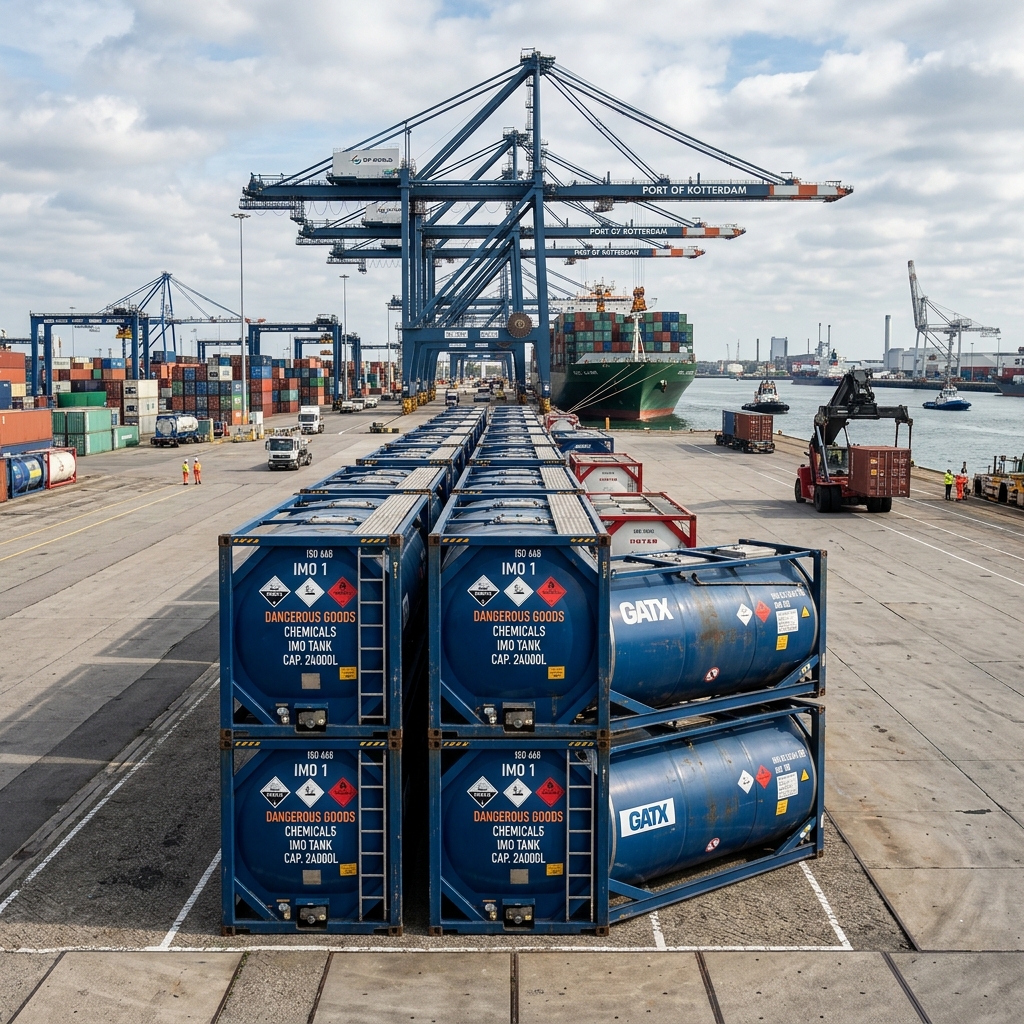
Dangerous goods shipments require a dangerous goods declaration and IMDG-compliant classification, packaging, and labeling documentation, in addition to the standard document set. This needs to be finalized before the vessel departs, since carrier acceptance and stowage planning depend on it.
ISO Tank Containers
Tank container shipments require tank certification and cleaning records confirming the tank's compatibility with the product being carried, alongside the standard shipping documents.
Breakbulk and Project Cargo
Oversized and non-containerizable cargo typically requires detailed packing lists, lifting plans, and route surveys for inland transport submitted ahead of arrival, so the destination port can plan crane access and berth allocation in advance.
How to Choose the Right Chinese Port for Your UAE-Bound Cargo
Step 7: Cross-Check Everything Before the Vessel Departs
Once all documents are prepared, cross-check the full set against each other one more time before the shipment departs China. Quantities, weights, product descriptions, and values should be consistent across the commercial invoice, packing list, and bill of lading, and the HS code classification should be finalized. Catching a discrepancy at this stage, while the shipment is still in China, is far less costly than catching it after arrival at Jebel Ali, when a correction can mean a customs hold and demurrage exposure.
Step 8: Submit Documentation for UAE Import Clearance
Once cargo arrives, the import declaration and supporting documents are submitted for customs valuation, duty assessment, and, for certain cargo categories, physical inspection before release. An in-house clearance and manifestation capability, where the same company handling the freight also manages the UAE filing, keeps the document trail under one roof and can shorten the time it takes to correct an issue if one comes up at this stage.
5 Mistakes Exporters Make Choosing a China–UAE Shipping Route
Quick Reference: Documents by Cargo Type
Standard containerized cargo needs a commercial invoice, packing list, bill of lading, and certificate of origin, plus any product-specific UAE import permits or certificates. Dangerous goods need all of the above plus a dangerous goods declaration and IMDG classification documentation. ISO tank containers need all of the above plus tank certification and cleaning records. Breakbulk and project cargo need all of the above plus detailed packing lists, lifting plans, and route surveys.
Frequently Asked Questions
What's the single most common documentation error on this corridor?
Mismatches between the commercial invoice and packing list, even small ones like a rounded weight or an inconsistent product description, are among the most frequent triggers for a manual review or hold at Jebel Ali.
How early should dangerous goods documentation be finalized?
Well before the vessel departs China, since carrier acceptance and vessel stowage planning depend on the dangerous goods declaration and classification being confirmed ahead of loading, not after.
Does a transshipment routing require different documentation than a direct sailing?
The core document set is the same, but the bill of lading and related documents need to accurately reflect the full routing, including the transshipment port, which adds a detail that a direct sailing's paperwork doesn't need to account for.
Conclusion: Documentation Discipline Prevents Most Avoidable Delays
Most documentation-related delays on China–UAE ocean freight shipments are preventable with a careful cross-check before the vessel departs, not a mystery that surfaces only at Jebel Ali. Working through this checklist in order, and paying particular attention to cargo-specific requirements for dangerous goods, tank containers, or project cargo, closes most of the gap between a smooth clearance and an avoidable hold.
Farway prepares and cross-checks documentation as part of its freight service and handles UAE customs clearance and manifestation in-house at Jebel Ali.
Ready to move forward? [Request a cargo assessment](/contact or quote request page)