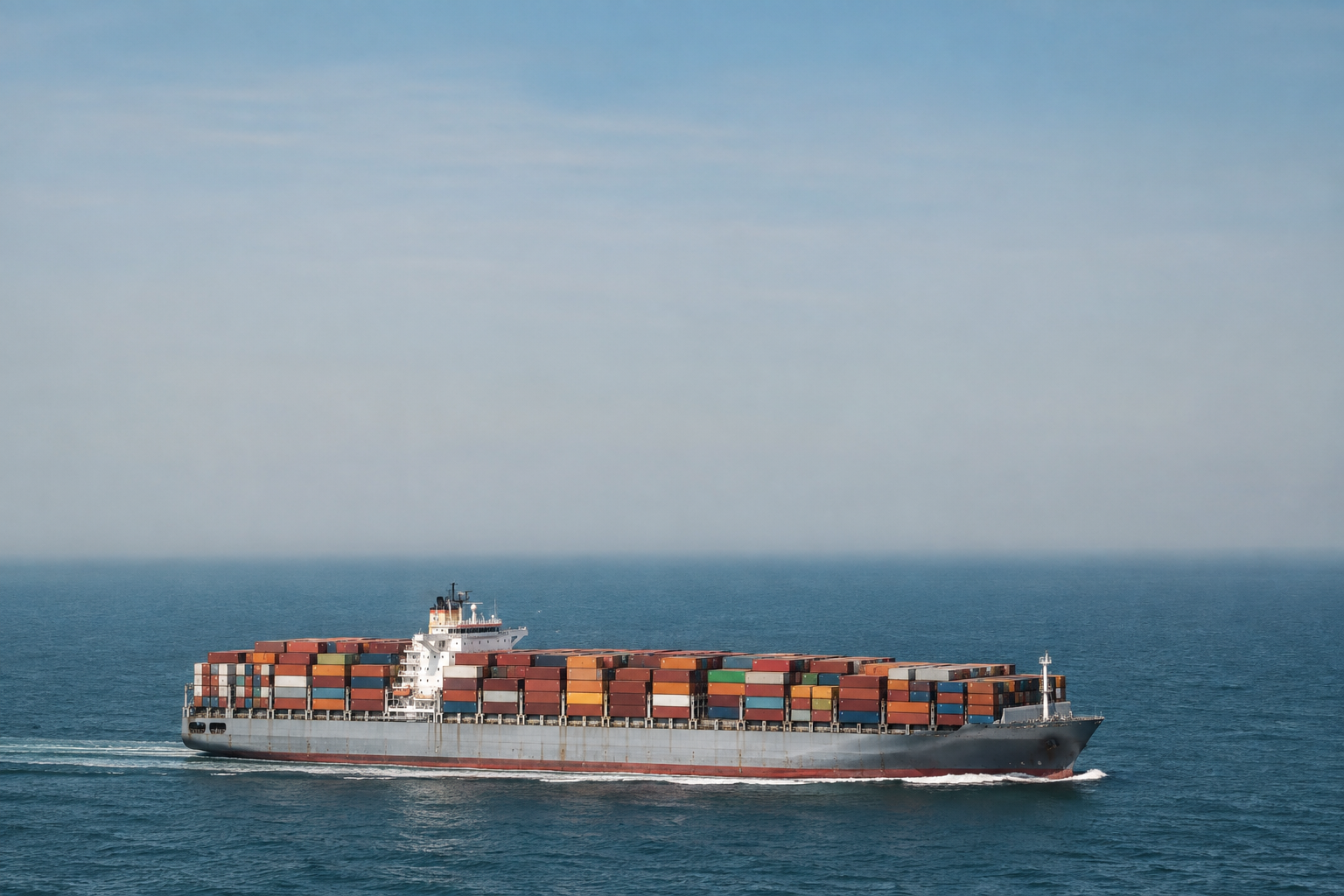
Ningbo to Jebel Ali: Transit Times, Costs, and Route Options
Ningbo is one of the busiest ports in the world and a major origin point for cargo moving toward the UAE and the wider Gulf, particularly for chemical, bulk liquid, and general cargo shippers based in Zhejiang province. Understanding how routing options, transit time, and cost interact on this specific lane helps importers set realistic expectations and compare quotes with more confidence.
This article looks at what shapes the Ningbo-to-Jebel Ali route: the routing options available, the variables that determine transit time, the cost components that make up a freight quote, and how this route compares to shipping from other major Chinese ports. Where a specific current figure would strengthen the analysis but can't be verified in this pass, it's flagged rather than estimated.
China–UAE Trade Routes and Port Guide: Ningbo, Shanghai, Shenzhen, Qingdao to Jebel Ali
Key Takeaways
- Ningbo offers both direct and transshipment routing options to Jebel Ali, with the right choice depending on your timeline and how frequently you ship.
- Transit time on this route depends on routing type, vessel scheduling, and seasonal demand, not a single fixed number.
- Freight cost includes more than the base ocean rate: origin handling, destination handling, and cargo-specific surcharges all factor into the total.
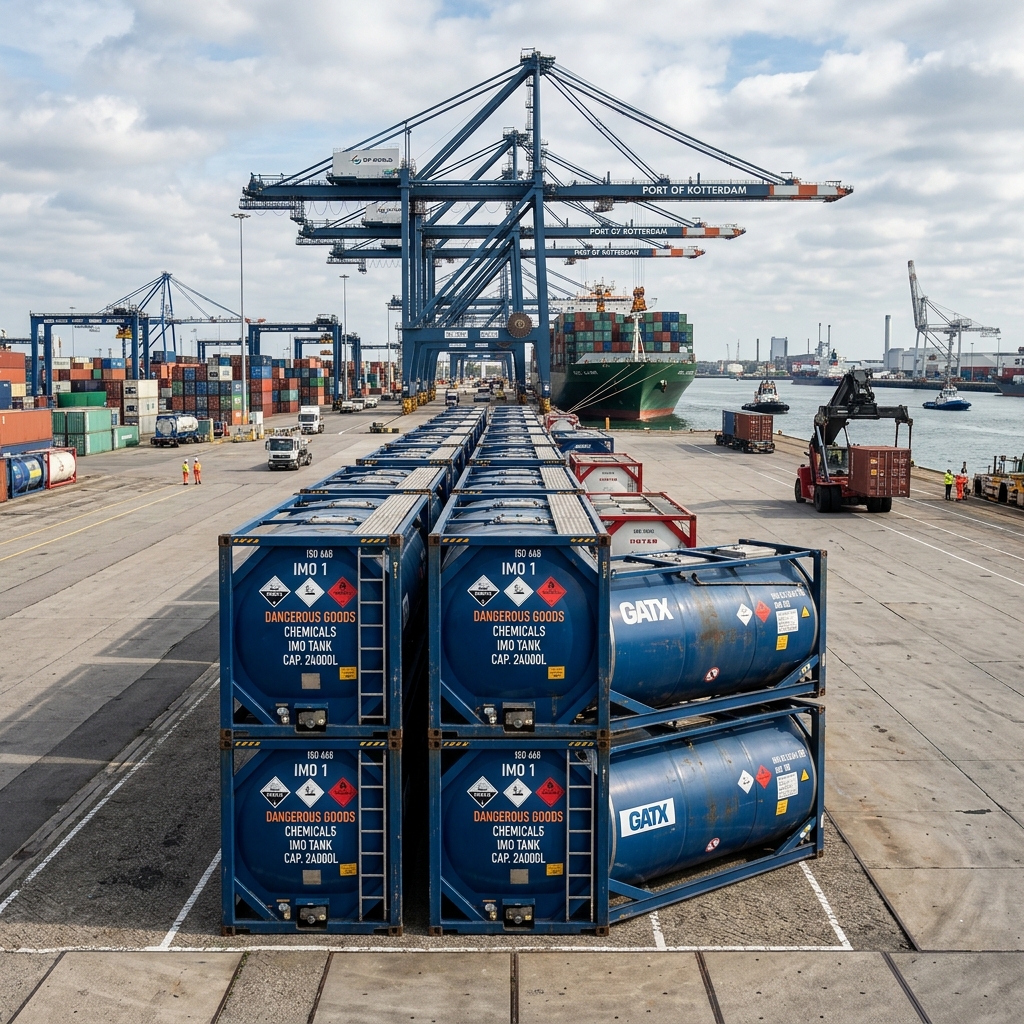
- Ningbo's chemical and bulk liquid export infrastructure makes it a strong option for ISO tank container shipments specifically.
- Comparing Ningbo to other Chinese ports on this route requires looking at your supplier location and cargo type, not cost alone.
Why Ningbo Matters for China–UAE Shippers
Ningbo sits close to Shanghai on the Yangtze River Delta and has grown into one of the highest-volume ports globally, driven partly by its role serving Zhejiang province's manufacturing and chemical export base. For UAE-bound shippers, that combination, high overall port volume plus strong chemical and bulk liquid infrastructure, makes Ningbo a particularly relevant origin point for both general containerized cargo and ISO tank container shipments.
Routing Options: Direct and Transshipment
Cargo moving from Ningbo to Jebel Ali generally has two routing structures available, and which one applies to a given booking depends on current carrier service offerings.
Direct Sailings
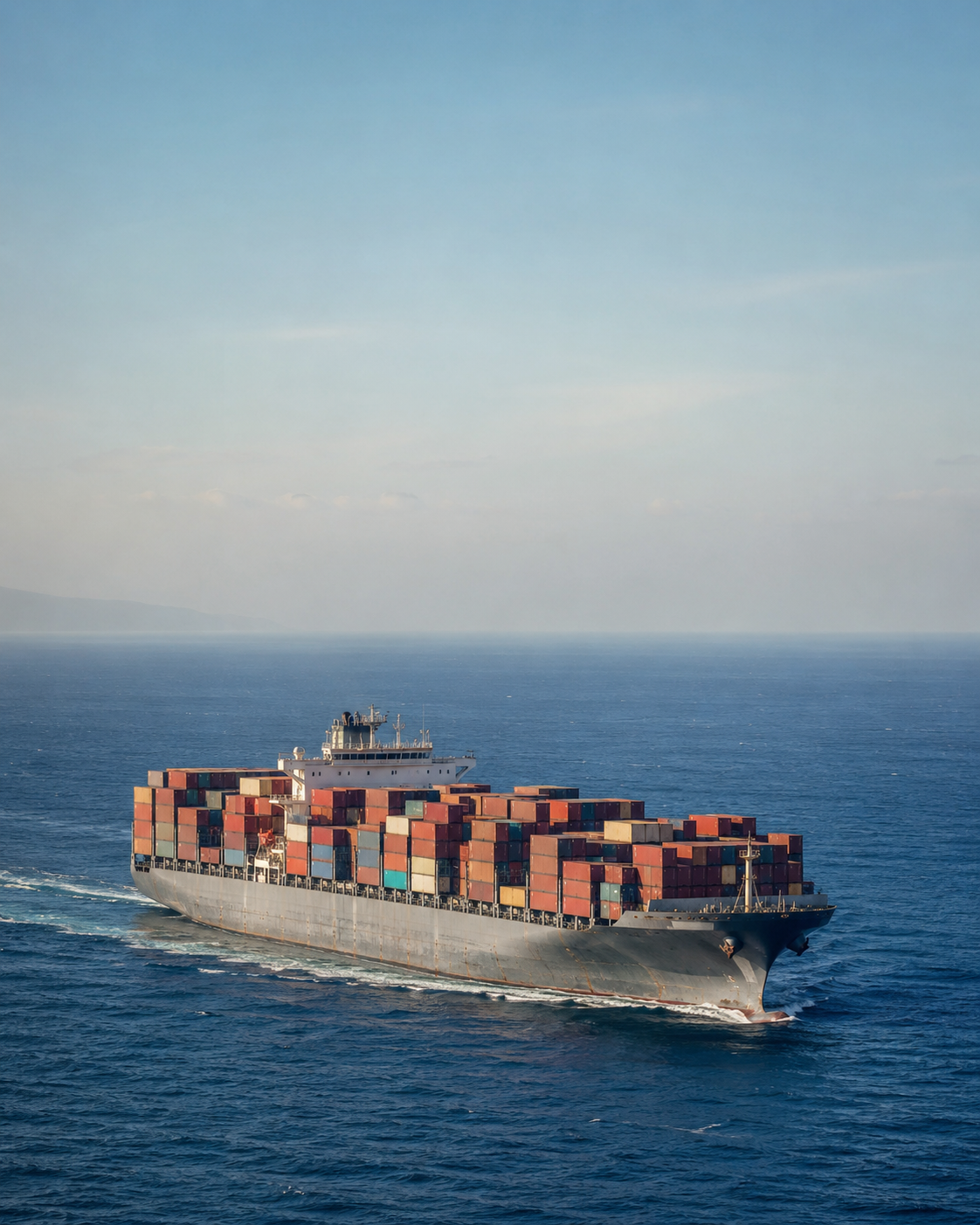
A direct service moves cargo from Ningbo to Jebel Ali on a single vessel without an intermediate port call. This is typically the fastest and most predictable option when it's available, since it removes the scheduling dependency on a connecting vessel at a transshipment port.
Transshipment Routings
A transshipment routing moves cargo from Ningbo to an intermediate hub port, commonly somewhere along the Indian subcontinent or in Southeast Asia, where it transfers to a different vessel bound for Jebel Ali. This adds transit days and an additional handling event, but it can offer more frequent sailing options or better pricing depending on current carrier capacity.
Jebel Ali Port Regulations and Berthing Requirements for China Imports
What Drives Transit Time on This Route
Transit time isn't a single fixed number for the Ningbo-Jebel Ali lane. Several variables move it up or down for a given booking.
Sailing Frequency
The more often a carrier sails a given service, the less time your cargo spends waiting for the next available departure once it's ready at the port. A route with frequent sailings can offset a marginally longer transit time by reducing this waiting period.
Vessel Scheduling and Reliability
Carrier schedule reliability varies, and even a well-planned routing can slip if the vessel itself runs behind schedule earlier in its rotation. This is a variable importers have limited direct control over, but it's worth asking a forwarder about a specific carrier's recent schedule reliability on this lane before booking a time-sensitive shipment.
Seasonal Demand
Periods of elevated shipping demand can strain vessel capacity and port throughput on both ends of the route, extending both booking lead time and actual transit time. This corridor, like most major trade lanes, sees demand that isn't perfectly flat throughout the year.
Port Congestion and Capacity Trends on the China–UAE Corridor in 2026
Cargo Type
Standard containerized cargo generally moves on the fastest available sailing without added constraint. ISO tank container shipments and dangerous goods can face additional scheduling considerations tied to tank availability or vessel dangerous goods quotas, which sometimes means the fastest available sailing isn't automatically the one your specific cargo can use.
What Makes Up the Cost on This Route
A freight quote for Ningbo to Jebel Ali includes several components beyond the headline ocean rate, and understanding each one helps in comparing quotes from different forwarders on an apples-to-apples basis.
Base Ocean Freight Rate
This is the carrier's charge for moving the container from Ningbo to Jebel Ali, typically quoted per container for FCL shipments or per cubic meter or weight ton for LCL. It fluctuates with fuel costs, vessel capacity, and demand on the specific route.
Origin Handling at Ningbo
Terminal handling charges, documentation fees, and any inland transport to reach the port from the factory or consolidation point apply before the ocean freight rate even comes into play.
Destination Handling at Jebel Ali
Terminal handling and documentation fees apply again on arrival, alongside any port storage charges if cargo isn't cleared and collected within the free time window.
Cargo-Specific Surcharges
ISO tank container shipments carry tank cleaning, repositioning, and certification-related costs beyond a standard container's handling fees. Dangerous goods shipments typically carry a hazardous cargo surcharge reflecting the additional stowage and handling requirements.
Ningbo vs Other Chinese Ports on This Route
Ningbo's proximity to Shanghai means the two ports often compete for similar cargo, particularly for chemical and general cargo shippers in the surrounding region. The right choice between them, and against Shenzhen or Qingdao for shippers based elsewhere, depends more on where your supplier is actually located and what you're shipping than on a fixed cost or transit time advantage that holds for every shipment.
Shanghai vs Ningbo: Which Port Is Better for UAE Chemical Imports
How to Choose the Right Chinese Port for Your UAE-Bound Cargo
What This Means for Planning a Shipment
For importers planning a Ningbo-to-Jebel Ali shipment, the practical takeaway is to request both direct and transshipment options from your forwarder, compare sailing frequency alongside advertised transit time, and ask for a full landed cost breakdown rather than the base ocean rate alone. For ISO tank container or dangerous goods shipments specifically, confirm tank availability or vessel quota compatibility before locking in a sailing date, since those constraints can affect which service is actually usable for your cargo.
Frequently Asked Questions
Is Ningbo faster than Shanghai for shipments to Jebel Ali?
It depends on the specific service and current carrier schedules rather than a fixed rule. Both ports offer direct and transshipment options, and the faster choice on any given week depends on sailing schedules current at the time of booking.
Is Ningbo a good choice for shipping chemicals or bulk liquids?
Ningbo's established chemical and bulk liquid export infrastructure makes it a strong option for ISO tank container shipments specifically, particularly for shippers based in the surrounding Zhejiang region.
What's included in a full landed cost quote for this route?
A complete quote should include the base ocean freight rate, origin and destination handling charges, any applicable customs duty and VAT on the UAE side, and cargo-specific surcharges such as dangerous goods or tank container fees where relevant.
Conclusion: Compare the Full Route, Not Just the Headline Rate
The Ningbo-to-Jebel Ali route offers strong connectivity and, for chemical and bulk liquid shippers, particularly useful infrastructure on the origin side. Getting a realistic view of transit time and cost means looking past the headline ocean rate to sailing frequency, routing type, and the cargo-specific charges that apply to your specific shipment.
Farway books both direct and transshipment services on this route and handles UAE customs clearance in-house at Jebel Ali, including for ISO tank container and dangerous goods shipments originating from Ningbo.
Ready to move forward? [Request a cargo assessment](/contact or quote request page)