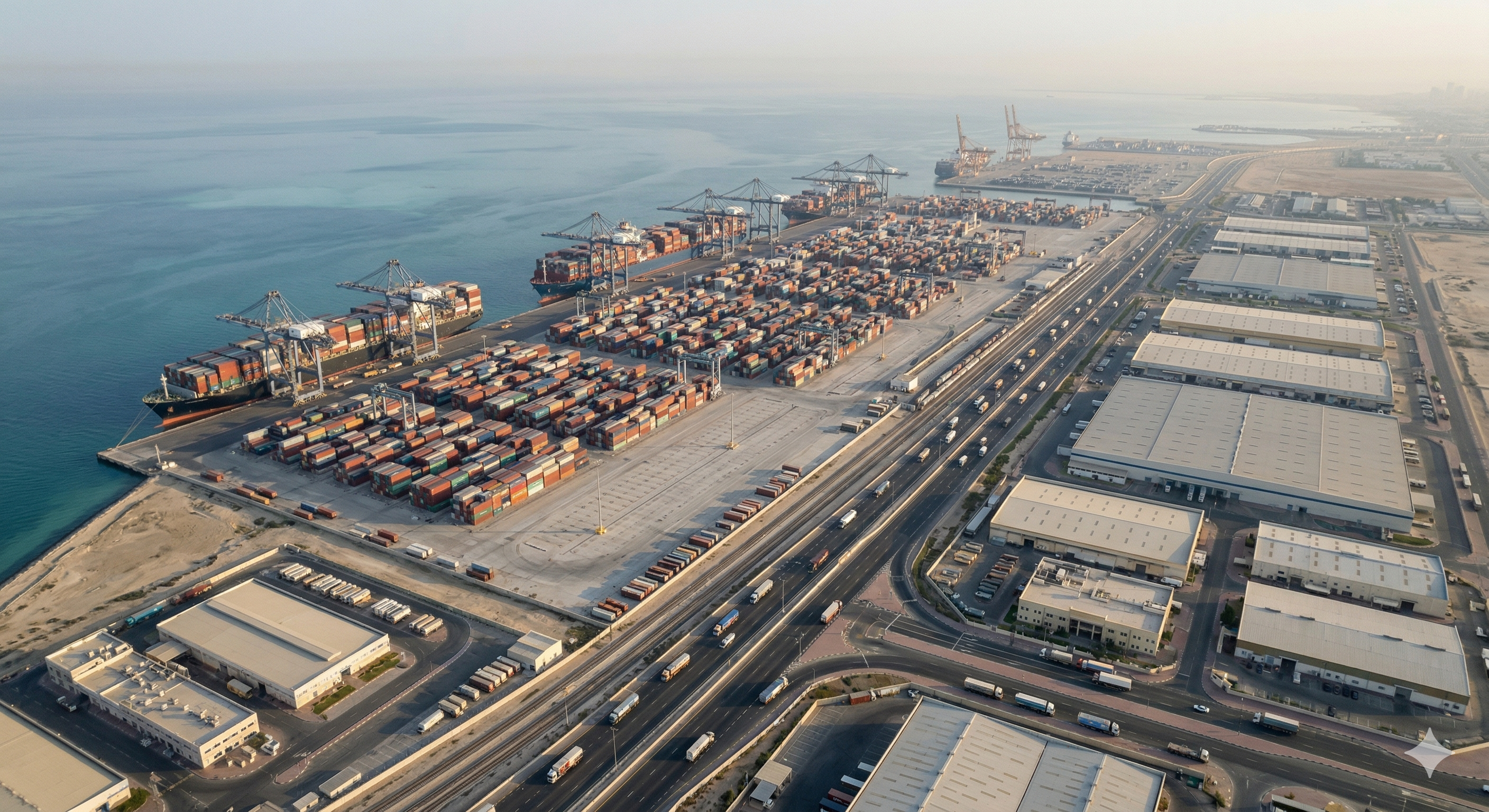
Jebel Ali Port Regulations and Berthing Requirements for China Imports
Jebel Ali is the primary UAE destination for cargo arriving from China, and it operates under a specific set of port regulations, berthing procedures, and documentation requirements that importers benefit from understanding before their first shipment arrives. This article answers the questions that come up most often from importers and their forwarders about how Jebel Ali actually operates.
China–UAE Trade Routes and Port Guide: Ningbo, Shanghai, Shenzhen, Qingdao to Jebel Ali
Key Takeaways
- Jebel Ali operates under DP World's terminal management, with berthing and terminal handling procedures that vary somewhat by cargo type and terminal.
- Standard containerized cargo follows the most straightforward berthing and clearance path; dangerous goods, tank containers, and project cargo each have additional procedural steps.
- Free time allowances at the port determine how long cargo can sit before demurrage or storage charges apply, and these vary by cargo type and current terminal policy.
- Dangerous goods require advance notification and compliant IMDG documentation before a vessel carrying them can berth and discharge.
- Project cargo and breakbulk shipments typically require coordination with the terminal ahead of arrival regarding crane capacity and berth allocation.
What Is Jebel Ali Port, and Who Operates It?
Jebel Ali is part of the Dubai port system and operates under DP World, one of the world's largest port operators. It functions as both an import gateway for goods entering the UAE and a major transshipment and re-export hub serving the wider GCC region. Its free zone status, Jebel Ali Free Zone (JAFZA), adjoins the port and supports bonded storage and re-export activity for a significant share of the cargo that passes through.
How Does Berthing Work for Vessels Arriving from China?
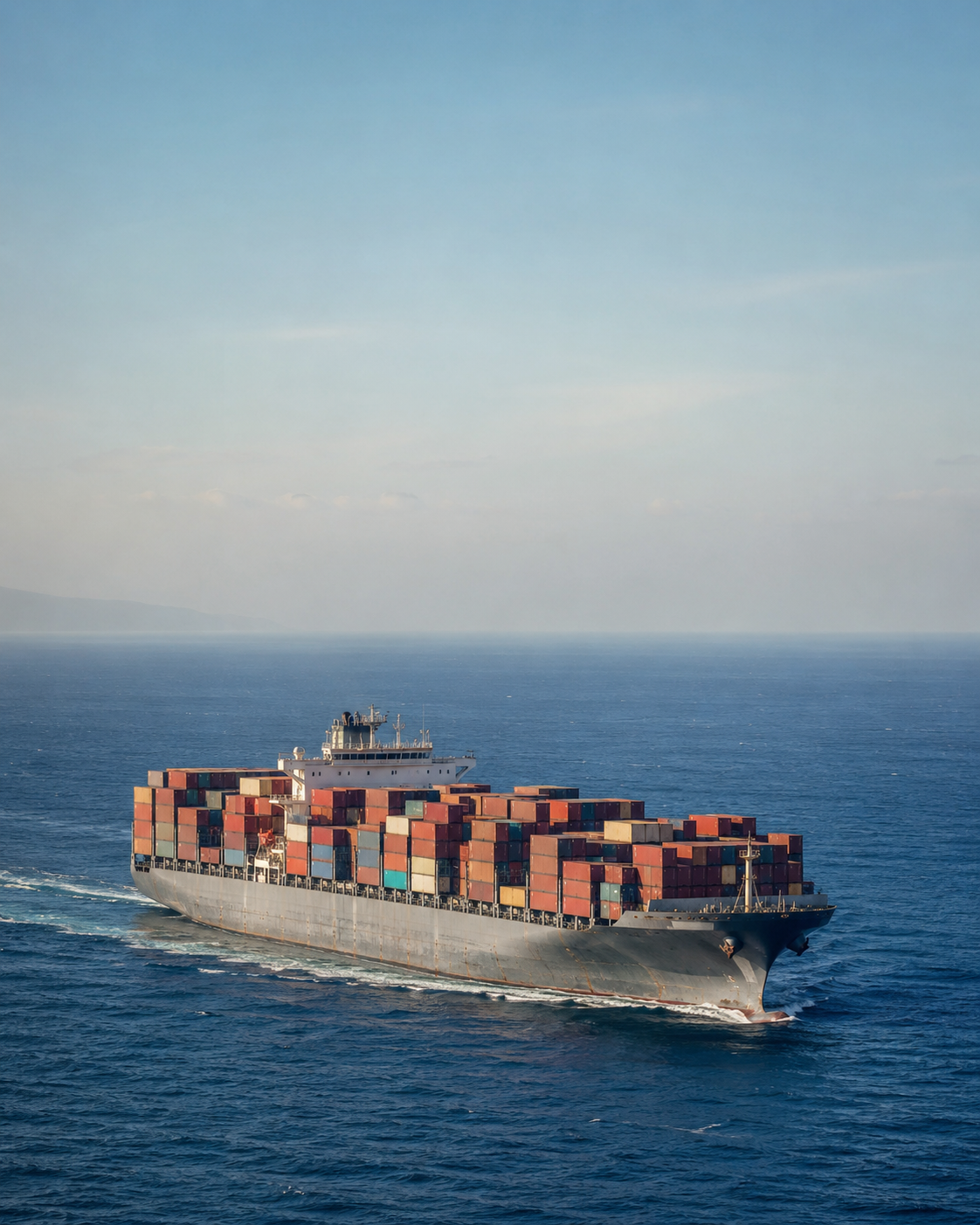
Vessels arriving at Jebel Ali are assigned berths based on terminal capacity, vessel size, and scheduling coordination between the carrier and the terminal operator. For standard containerized cargo, this process is largely handled between the carrier and the port and doesn't require importer involvement beyond normal shipment tracking. For dangerous goods and project cargo specifically, additional coordination is typically required ahead of arrival, covered in more detail below.
Do Standard Containerized Shipments Face Any Special Requirements?
Standard containerized general cargo follows the most straightforward path through Jebel Ali: vessel arrival, container discharge, and movement into the import customs clearance process once the required documentation, commercial invoice, packing list, bill of lading, and certificate of origin, is submitted and reconciled. The main variables affecting how smoothly this goes are documentation accuracy and whether the cargo requires any additional regulatory approval based on its HS code classification.
Port-to-Port Documentation Checklist for China–UAE Ocean Freight
What Additional Requirements Apply to Dangerous Goods?
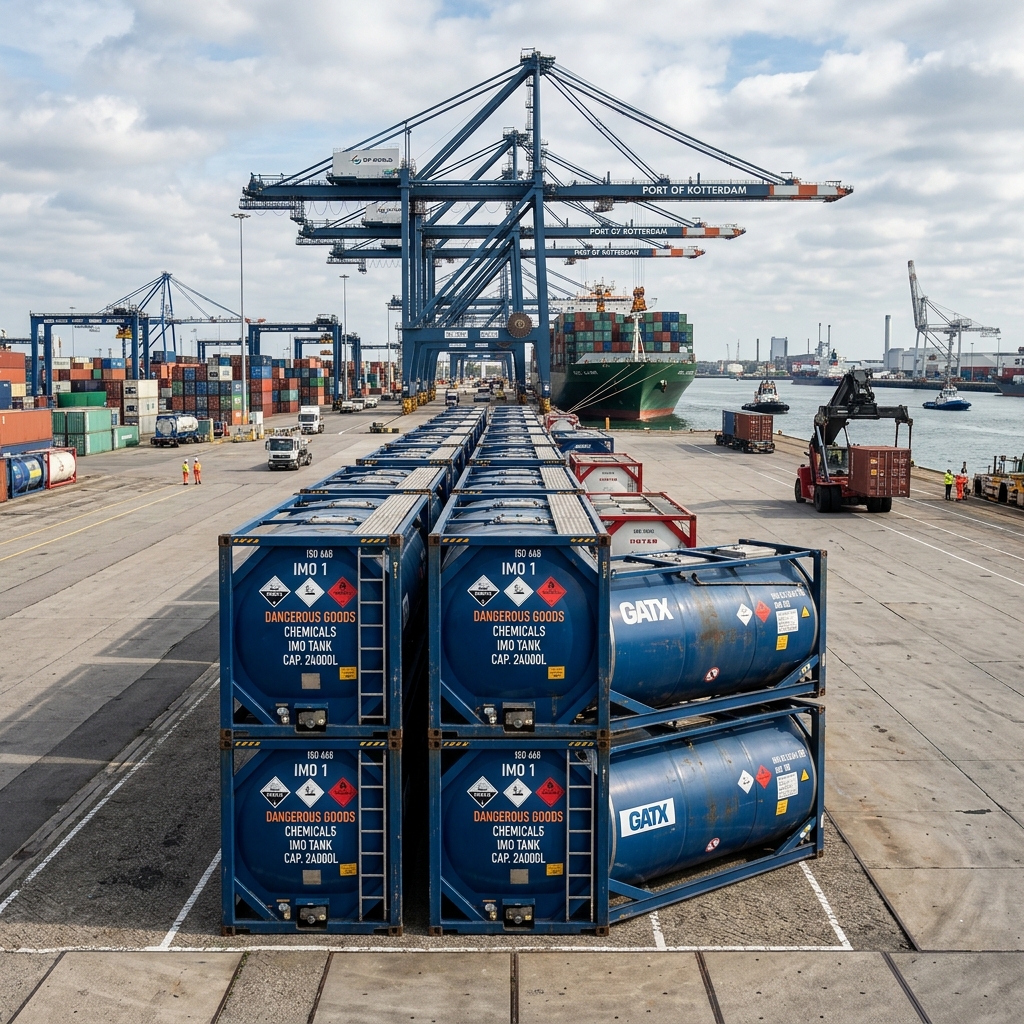
Dangerous goods shipments require advance notification to the terminal, compliant classification and documentation under the IMDG Code, and confirmation that the vessel and berth can safely accommodate the specific hazard class being discharged. This isn't a step that can be handled after arrival; it needs to be arranged as part of the original booking and confirmed again ahead of the vessel's arrival at Jebel Ali. Segregation requirements between different dangerous goods classes, and between dangerous goods and certain general cargo, also affect how and where containers are stored once discharged.
How to Choose the Right Chinese Port for Your UAE-Bound Cargo
What About ISO Tank Containers?
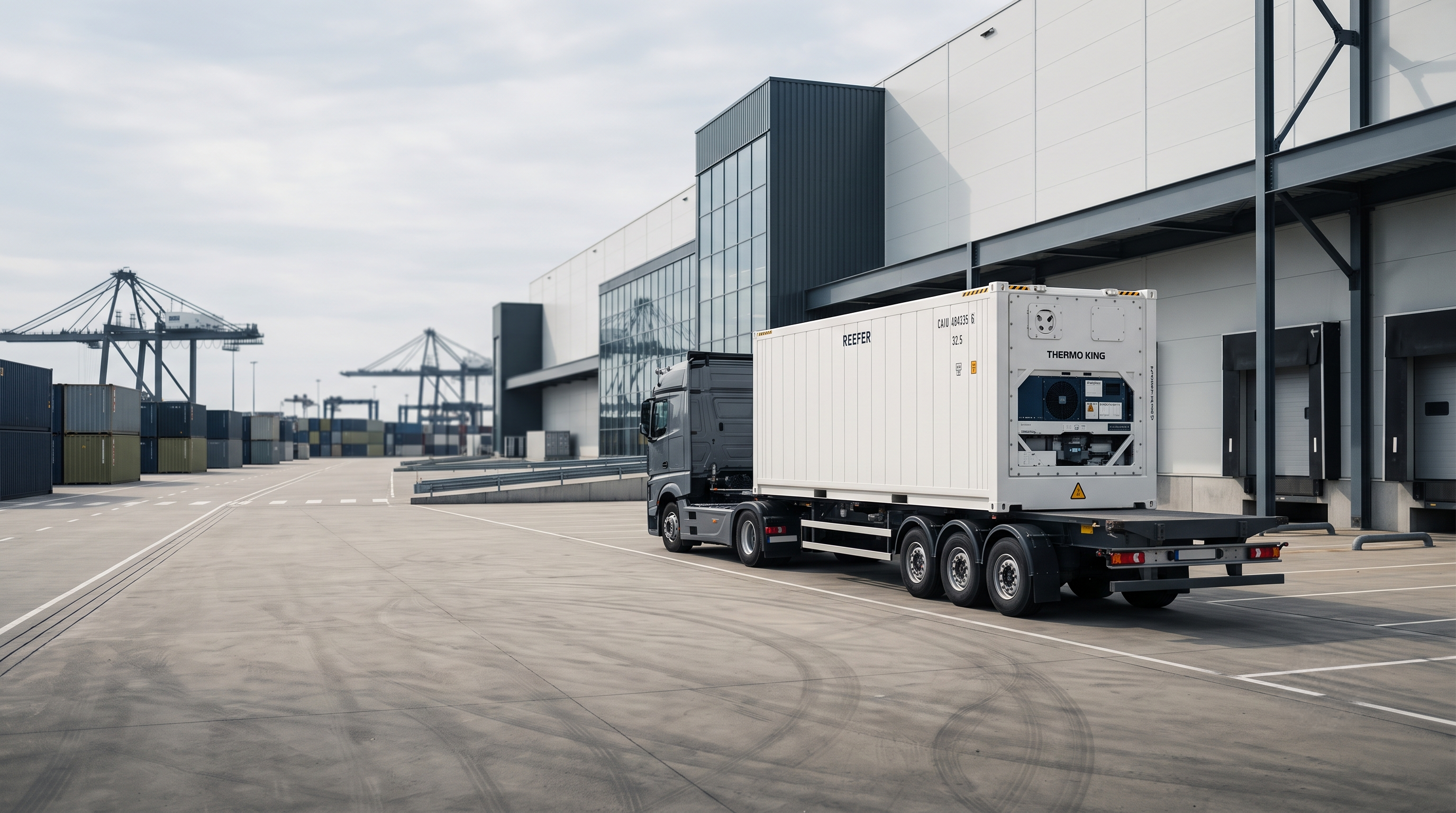
ISO tank containers require the same core import documentation as standard containers, plus tank certification and cleaning records that confirm the tank's compatibility with the product it's carrying. Depending on the product, the terminal may require the tank to be routed to a specific storage area rather than standard container yard space, particularly for hazardous or temperature-sensitive contents.
What Do Project Cargo and Breakbulk Shipments Need?
Oversized and non-containerizable cargo requires coordination with the terminal well ahead of arrival, since discharge depends on crane capacity, berth configuration, and available laydown space for the specific cargo dimensions. Lifting plans and route surveys for onward inland transport are typically prepared before the vessel arrives, not after, since Jebel Ali's terminal needs advance notice to allocate the right equipment and berth space for a heavy-lift discharge.
What Are Free Time Allowances, and Why Do They Matter?
Free time refers to the period cargo can remain at the port terminal, or with the consignee for container detention, before demurrage or storage charges start accruing. These allowances vary by cargo type, carrier, and current terminal policy, and they're worth confirming for each shipment rather than assuming a fixed number applies universally. Cargo that requires additional customs review, common for dangerous goods or regulated products, is more exposed to running past free time if clearance takes longer than expected, which makes early documentation preparation especially valuable for these cargo types.
5 Mistakes Exporters Make Choosing a China–UAE Shipping Route
How Does In-House Clearance Affect the Berthing-to-Release Process?
The berthing and discharge process happens between the carrier and the terminal, largely independent of who handles customs clearance. But once cargo is discharged and available for clearance, how quickly it gets released to the consignee depends heavily on how efficiently the clearance and manifestation process runs. An in-house clearance capability, where the same company handling the freight also manages the UAE clearance filing, removes a coordination step compared to a third-party clearing agent handoff, which can shorten the time between discharge and release.
Frequently Asked Questions
Does Jebel Ali require advance notice for all cargo types, or just dangerous goods and project cargo?
Standard containerized cargo generally doesn't require the same advance coordination that dangerous goods and project cargo do, since it moves through standard terminal handling procedures. Dangerous goods and oversized or project cargo both benefit from, and in the case of dangerous goods generally require, advance notification and coordination with the terminal.
What happens if my dangerous goods documentation isn't ready before the vessel arrives?
Incomplete or non-compliant dangerous goods documentation can delay discharge or, in some cases, affect whether the cargo was accepted for the voyage at all. This is a strong argument for finalizing dangerous goods documentation well before the vessel departs China, not after it arrives at Jebel Ali.
Can I request a specific berth or terminal at Jebel Ali?
Berth and terminal assignment is generally determined by the carrier's service and the terminal operator's scheduling, not something an individual shipper requests directly. Cargo type and any special handling requirements do factor into which terminal a shipment is directed to within the broader Jebel Ali complex.
China–UAE Port Routing FAQ: Transit Times, Transshipment, and Delays
Conclusion: Plan for Jebel Ali's Procedures, Not Just Its Capacity
Jebel Ali's scale and infrastructure make it well equipped to handle the full range of cargo arriving from China, but standard containerized cargo, dangerous goods, tank containers, and project cargo each move through it differently. Understanding which procedural steps apply to your specific cargo type, and preparing documentation and coordination accordingly, is what separates a smooth arrival from an avoidable delay.
Farway handles freight and in-house customs clearance and manifestation at Jebel Ali across all of these cargo categories, from standard containers to dangerous goods, ISO tank containers, and project cargo.
Ready to move forward? [Request a cargo assessment](/contact or quote request page)