China to UAE Freight Rate Guide: FCL, LCL, and Charter Pricing Explained
A China-UAE freight quote rarely tells the whole story. The base ocean rate is the number that gets quoted first, but the number that actually lands on your invoice includes handling charges, surcharges, and sometimes fees that only appear after the container has already sailed. Importers who budget off the headline rate alone are the ones most likely to be surprised at the end of the shipment.
This guide breaks down how China-UAE freight rates are built, what separates FCL, LCL, and charter pricing, which surcharges are standard versus avoidable, and how to read a quote closely enough to know what you're actually agreeing to. It's written for procurement managers and supply chain decision-makers who negotiate freight regularly, as well as importers booking their first shipment who want to know what a fair quote looks like.
The Complete Guide to Shipping from China to the UAE
Key Takeaways
- Freight rates on the China-UAE lane are built from a base ocean or air charge plus a set of surcharges (fuel, currency, peak season, and others) that shift month to month.
- FCL pricing is quoted per container regardless of fill level; LCL pricing is quoted per cubic meter or weight ton, whichever is greater, and includes consolidation costs FCL doesn't carry.
- Charter and project cargo pricing is negotiated per shipment based on vessel space, cargo dimensions, and port handling requirements rather than a published tariff.
- BAF, CAF, and peak season surcharges are standard industry practice, not hidden fees, but they need to be disclosed on the quote, not added after the fact.
- The cheapest quoted rate isn't always the cheapest total cost once accessorial charges, transit time, and service reliability are factored in.
- A short checklist applied before booking, confirming what's included, what's excluded, and what triggers additional charges, prevents most rate-related disputes.
In This Guide
This pillar page covers the full China-UAE freight pricing picture. The related articles below go deeper into specific pricing mechanics, cost comparisons, and rate trends:
- How Freight Rates Are Calculated on the China-UAE Trade Lane
- FCL vs LCL Costs for China to UAE Shipments in 2026
- 5 Hidden Fees That Inflate China-UAE Freight Quotes
- FCL vs LCL: Which Is Cheaper for Your China-UAE Cargo Volume
- Freight Surcharge Regulations and BAF/CAF Explained for China-UAE Lanes
- Rate Quote Checklist: What to Verify Before Booking China-UAE Freight
- Case Study: Consolidating LCL Shipments to Cut China-UAE Costs
- China-UAE Freight Pricing FAQ: Peak Season, GRIs, and Contract Rates
- Freight Rate Trends on the China-UAE Corridor for 2026
What Determines a China-UAE Freight Rate
A China-UAE freight rate is built from a base transport charge plus a set of surcharges layered on top, and the mix depends on cargo type, volume, and how it's packed. The base charge covers the physical movement of the container or cargo from origin to destination port. Everything layered on top, fuel adjustments, currency adjustments, handling fees, peak season premiums, reflects conditions that change more frequently than the base rate itself.
Four variables move the needle most: shipping mode (sea FCL, sea LCL, air, or RoRo/breakbulk), origin port (rates differ between Shanghai, Ningbo, Shenzhen, and Qingdao based on carrier competition and vessel scheduling), cargo characteristics (weight, volume, and whether it's standard, dangerous, or oversized), and timing (rates move with vessel capacity and seasonal demand, sometimes sharply during peak shipping periods).
Why Freight Rates Matter More in 2026
Freight budgeting has become a bigger line item in procurement decisions as rate volatility on major trade lanes has increased in recent years. For China-UAE importers specifically, rates respond to a mix of global shipping capacity, regional port congestion, and the UAE's growing role as a re-export hub for the wider Gulf region.
Procurement teams that treat freight as a fixed cost tend to get caught off guard when rates move mid-contract or when a peak season surcharge lands on a shipment that was budgeted at off-season pricing. Building rate variability into the budget, rather than treating the first quote as the final number, is the more resilient approach for teams shipping regularly on this lane.
Freight Rate Trends on the China-UAE Corridor for 2026
How Freight Rates Are Calculated
Ocean freight pricing generally follows one of two logics depending on whether you're booking FCL or LCL, and the calculation method is worth understanding even if your forwarder handles the math, because it explains why two quotes for the same cargo can differ.
FCL rates are quoted per container (20-foot, 40-foot, or 40-foot high cube) as a flat charge, independent of how full the container actually is. LCL and air freight rates are typically quoted per cubic meter or per weight ton (1,000 kg), whichever produces the higher chargeable figure, which is why dense, heavy cargo and bulky, lightweight cargo can cost differently for the same physical shipment. Charter and project cargo rates don't follow a published tariff at all; they're negotiated per shipment based on vessel or vessel-space availability, cargo dimensions, and the port handling equipment required.
How Freight Rates Are Calculated on the China-UAE Trade Lane
FCL Pricing Explained
FCL pricing gives you the most predictable cost per shipment because you're paying for the whole container, not a share of one. The rate is fixed once booked regardless of how much cargo actually goes inside, which makes FCL the more cost-efficient option once your volume approaches container capacity.
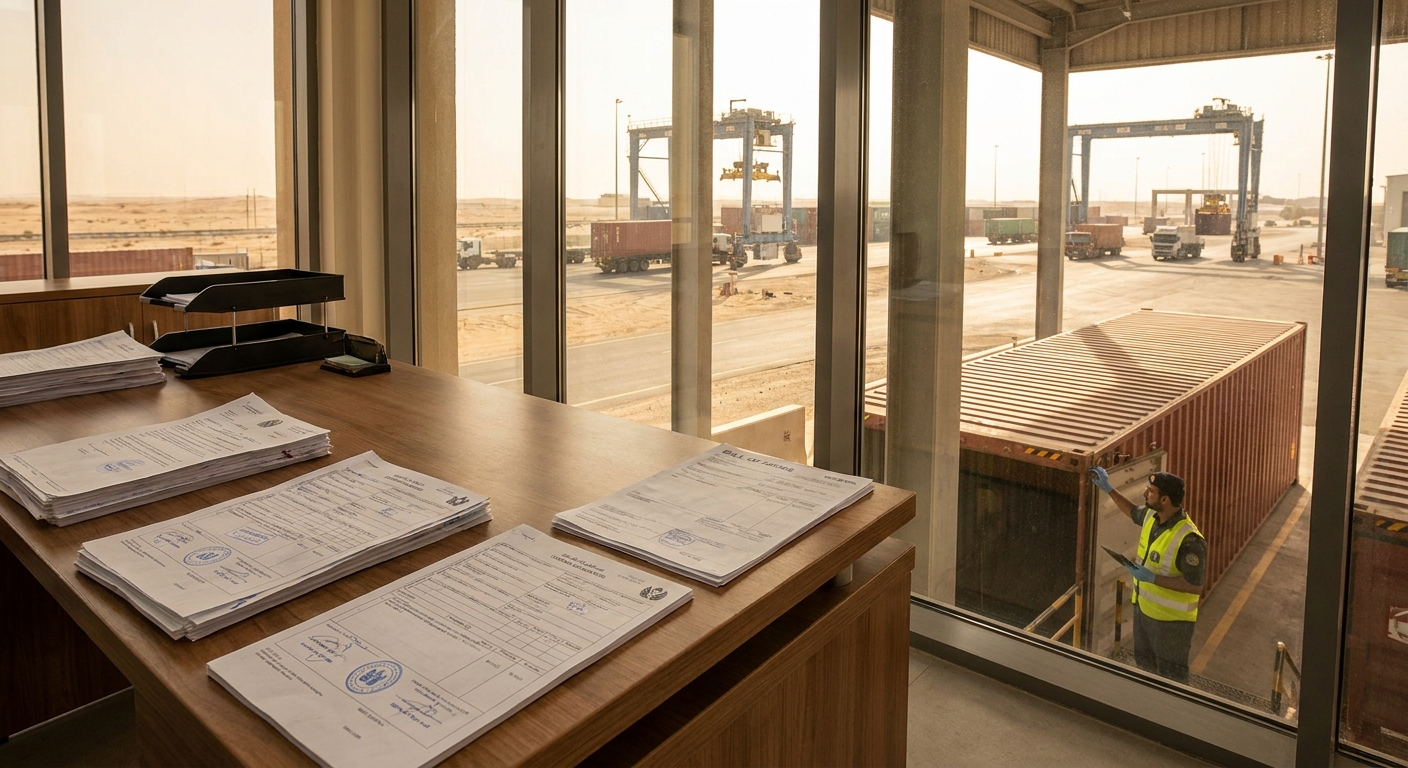
The tradeoff is that FCL doesn't scale down well. A half-full 40-foot container still costs the full 40-foot rate, so shippers moving smaller volumes end up paying for space they don't use. FCL also simplifies customs handling since the container isn't shared with other shippers' goods, which reduces the documentation and inspection complexity that comes with consolidated cargo.
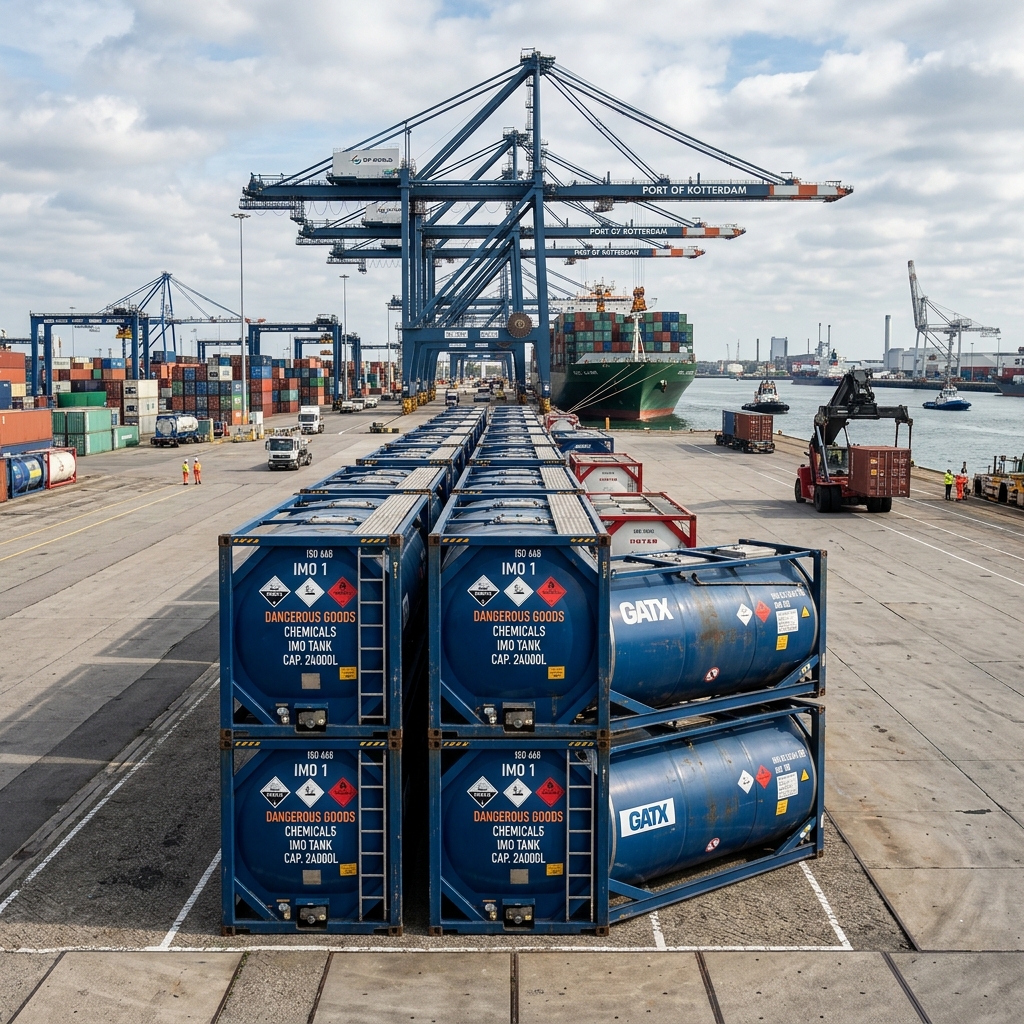
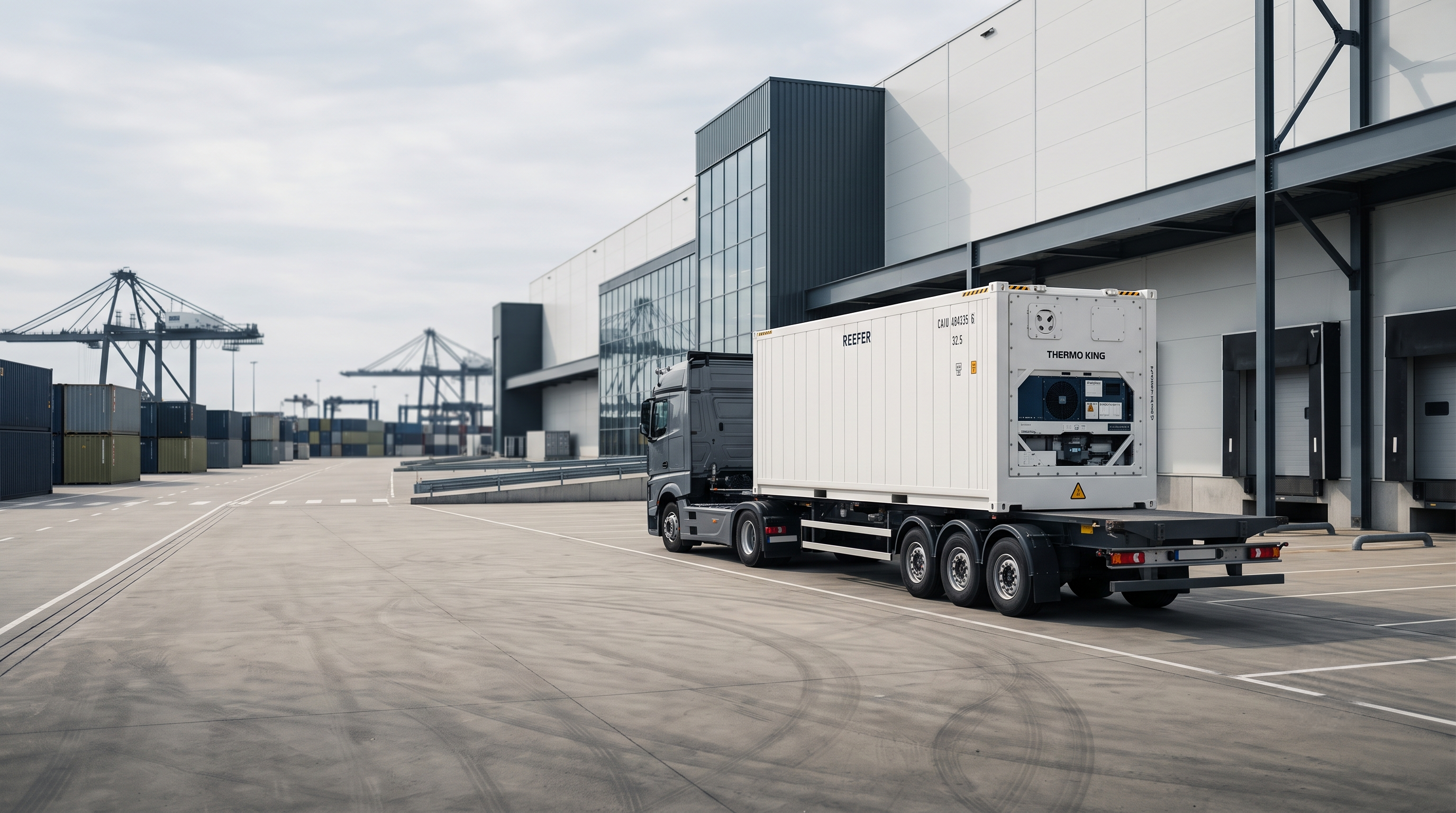
Container type matters too. Standard dry containers cover most general cargo, but dangerous goods, temperature-sensitive goods, and bulk liquids each require specific container types, ISO tank containers, reefers, or flat racks, that carry their own rate structures separate from standard dry container pricing.
FCL vs LCL: Which Is Cheaper for Your China-UAE Cargo Volume
LCL Pricing Explained
LCL pricing charges you only for the space your cargo occupies, calculated per cubic meter or weight ton, which makes it the more economical choice for shipments that don't fill a container on their own. The rate structure reflects that the carrier or consolidator is combining your goods with other shippers' cargo to fill a shared container.
That cost efficiency comes with added steps. LCL cargo goes through a consolidation process at origin, where multiple shippers' goods are loaded into one container, and a deconsolidation process at destination, where the container is unpacked and cargo is separated for delivery to each consignee. Both steps add time and, often, additional handling fees, container freight station (CFS) charges, that don't apply to FCL shipments.
LCL also carries a slightly higher risk profile: cargo shares a container with goods from other shippers, which increases the chance of handling damage or delay if another shipper's paperwork holds up the container at customs.
FCL vs LCL Costs for China to UAE Shipments in 2026
Charter and Breakbulk/Project Cargo Pricing
Cargo that doesn't fit standard container dimensions, heavy machinery, generators, structural steel, or oversized industrial equipment, moves as breakbulk or project cargo, and pricing for this category works differently from container freight entirely. Instead of a published per-container or per-cubic-meter rate, project cargo pricing is negotiated per shipment based on cargo weight and dimensions, the lifting equipment required at both ports, stowage complexity aboard the vessel, and route surveys for inland transport if applicable.
Full or partial vessel charters, sometimes used for very large project cargo movements, are priced against the vessel owner's day rate and voyage costs rather than a cargo tariff. RoRo pricing for vehicles and self-propelled equipment sits closer to a published rate structure than project cargo, but it still varies more than standard FCL pricing based on vehicle dimensions and vessel space availability, which tends to tighten during peak periods.
Surcharges and the Fees That Inflate a Quote
Surcharges are a normal part of ocean and air freight pricing, not an automatic red flag, but the line between standard surcharges and avoidable fees is where most rate disputes happen. Bunker Adjustment Factor (BAF) and Currency Adjustment Factor (CAF) are the two most common: BAF passes through changes in fuel cost, and CAF passes through currency fluctuation between the carrier's operating currency and the currency the freight is quoted in. Both are industry-standard and appear on nearly every ocean freight quote.
Peak Season Surcharge (PSS) applies during high-demand periods when vessel space is tight, and General Rate Increases (GRIs) are carrier-wide rate adjustments applied across a trade lane, typically announced with some notice but not always timed conveniently for shippers mid-contract. Terminal handling charges, documentation fees, and demurrage/detention charges (for containers held beyond free time) round out the list of charges that show up on most invoices whether or not they were itemized on the original quote.
The fees worth scrutinizing are the ones that appear only after the shipment has moved, not the standard surcharges disclosed up front. A forwarder who itemizes BAF, CAF, and handling charges on the original quote is operating normally; one who adds charges after booking without having flagged them as possible is the pattern to watch for.
5 Hidden Fees That Inflate China-UAE Freight Quotes
Freight Surcharge Regulations and BAF/CAF Explained for China-UAE Lanes
Peak Season, GRIs, and Contract Rate Dynamics
Spot rates on the China-UAE lane move with vessel capacity and seasonal demand, and peak periods, often tied to pre-holiday manufacturing and shipping cycles in China, can push spot pricing meaningfully above off-season levels. Shippers who book close to a peak period without a contract rate in place are the most exposed to sudden rate spikes and GRIs.
Contract rates, negotiated for a fixed period (often quarterly or annually) at a set volume commitment, offer more price stability than spot booking but require enough consistent volume to make the commitment worthwhile. For importers with predictable, recurring shipment volume, a contract rate arrangement with a forwarder or carrier can smooth out the rate volatility that spot-market shippers absorb directly.
China-UAE Freight Pricing FAQ: Peak Season, GRIs, and Contract Rates
Freight Rate Trends on the China-UAE Corridor for 2026
Rate Quote Checklist: What to Verify Before Booking
A freight quote is only useful if you know what it includes and what it doesn't, and the fastest way to avoid a billing surprise is to check a short list of items before confirming a booking. Confirm whether the quote is all-in (including origin and destination handling, BAF, CAF) or base-rate-only with surcharges added separately. Ask what triggers demurrage and detention, and how many free days are included at origin and destination. Verify the container type matches your cargo (standard dry, reefer, tank, flat rack), since substituting the wrong type mid-booking can trigger a rate change. Confirm the quote's validity period, since spot rates can move within days during volatile periods, and check whether the quote assumes direct routing or transshipment, since the latter can add both time and cost.
Rate Quote Checklist: What to Verify Before Booking China-UAE Freight
Real-World Example: Cutting Costs Through Consolidation
Rate optimization isn't only about negotiating a lower per-unit price; sometimes the bigger saving comes from changing how cargo is shipped in the first place. A closer look at one LCL consolidation project shows how combining smaller, irregular shipments into a more efficient booking pattern reduced total freight spend without changing carriers or routes.
Case Study: Consolidating LCL Shipments to Cut China-UAE Costs
Choosing the Right Pricing Structure for Your Cargo
The lowest quoted rate isn't automatically the right choice once total landed cost, transit reliability, and cargo-specific handling needs are factored in. FCL tends to be the more cost-efficient structure once volume approaches container capacity and where predictable, fixed-cost pricing matters more than flexibility. LCL fits smaller, less frequent shipments where paying for unused container space doesn't make sense. Contract rates suit shippers with consistent recurring volume who want to reduce exposure to spot market swings, while spot booking suits occasional or unpredictable shipment patterns where a volume commitment isn't practical.
Cargo type narrows the decision further. Dangerous goods, ISO tank shipments, and breakbulk/project cargo carry pricing structures and surcharges that don't map cleanly onto standard FCL/LCL comparisons, which is why quotes for those cargo types should be evaluated on their own terms rather than against a general container rate benchmark.
Frequently Asked Questions
Why do two forwarders quote different rates for the same shipment?
Differences usually come down to what's included in the quote (all-in versus base rate plus surcharges), which carrier and routing the forwarder has access to, and the forwarder's own margin structure. The lowest headline number isn't always the lowest total cost once accessorial charges are added.
Are BAF and CAF surcharges negotiable?
Generally, no. BAF and CAF pass through fuel and currency costs the carrier itself is exposed to, so forwarders have limited room to negotiate them away. What is negotiable is how transparently they're disclosed and itemized on the quote.
How much does peak season affect China-UAE freight rates?
Peak season surcharges and tighter vessel capacity can push spot rates meaningfully above off-season levels, though the exact magnitude varies by year and by how far in advance a booking is made. Booking early and, where volume supports it, securing a contract rate reduces this exposure.
Is LCL always cheaper than FCL for smaller shipments?
Usually, but not always. LCL avoids paying for unused container space, but it carries its own handling and consolidation fees that can narrow or, for shipments approaching a full container's worth of volume, eliminate the cost advantage. The comparison needs to be run on actual cubic meters and weight, not assumed.
What's the difference between demurrage and detention charges?
Demurrage applies when a container sits at the port beyond its free time before being picked up. Detention applies when the container is with the consignee (outside the port) beyond its free time before being returned empty to the carrier. Both are avoidable with planning around free time windows.
China-UAE Freight Pricing FAQ: Peak Season, GRIs, and Contract Rates
Conclusion: Reading a Quote Like a Buyer, Not a Passenger
A China-UAE freight rate is a composite figure, not a single number, and understanding what makes it up is what separates a shipper who gets surprised by the final invoice from one who doesn't. Know how FCL, LCL, and project cargo pricing are built, understand which surcharges are standard versus which fees deserve a question, and run a quote checklist before booking rather than after a dispute.
If you're comparing quotes for a China-UAE shipment, whether it's standard containerized cargo, dangerous goods, ISO tank containers, or breakbulk and project cargo, Farway's team prices and books freight alongside in-house UAE customs clearance out of Jebel Ali, which keeps the quote and the accountability for it under one roof.
Ready to get a clear, itemized quote? [Request a freight rate assessment](/contact or quote request page)