
Major Red Flags to Watch for When Hiring a China–UAE Freight Forwarder
Most freight forwarder relationships that go wrong don't fail without warning. The warning signs usually show up during the sales and onboarding process, before a contract is signed, but they're easy to miss when you're focused on comparing rates. Recognizing these patterns early saves you from finding out the hard way, with a shipment stuck at Jebel Ali and no clear path to resolving it.
How to Choose a China–UAE Freight Forwarder: A Buyer's Guide
This list covers five of the most consistent red flags importers and procurement managers encounter when evaluating freight forwarders on the China–UAE lane.
Key Takeaways
- A forwarder that can't or won't verify their UAE licensing and customs registration is the clearest single warning sign.
- Quotes significantly below the market range without a clear explanation usually mean something is missing from the scope.
- Vague or evasive answers about who handles customs clearance point to accountability gaps that surface later.
- Reluctance to put fee structures, liability terms, or service commitments in writing is a sign the relationship will be hard to hold accountable.
- No verifiable references or cargo-specific track record means you're the forwarder's test case, whether they say so or not.
1. Unverifiable Licensing or Customs Registration
A legitimate freight forwarder operating in the UAE should be able to provide license and registration details without hesitation, and those details should hold up to independent verification. A forwarder that deflects the question, provides inconsistent information, or gets defensive when asked is signaling that something doesn't check out.
Licensing and Compliance Requirements for UAE Freight Forwarders
This matters beyond the immediate transaction. If a forwarder isn't properly licensed, or misrepresents their customs registration status, your cargo's clearance is at risk regardless of how smoothly the rest of the relationship goes, and you may carry liability exposure as the importer of record.
2. A Quote Significantly Below Market Without Explanation
A forwarder quoting noticeably below competitors isn't automatically a scam, but the gap needs an explanation. Sometimes it reflects genuine efficiency or a volume relationship with a carrier. More often, it reflects a scope that's missing something, documentation handling, customs clearance, or accessorial charge coverage, that will surface as an add-on later, or a forwarder cutting corners somewhere that eventually shows up as a problem.
Ask directly what's included in an unusually low quote, and compare it line by line against a mid-range competitor's itemized breakdown before assuming it's simply a better deal.
What China–UAE Freight Forwarder Services Actually Cost
3. Vague Answers About Who Handles Customs Clearance
Ask a forwarder directly whether they clear cargo in-house or route it to a third-party agent, and pay attention to how clearly they answer. A forwarder that gives a straight answer, in-house or third-party, and can explain how the process works either way, is easier to trust than one that talks around the question or implies capabilities they don't actually have in place.
This distinction matters because it predicts how quickly problems get resolved after cargo arrives. In-house clearance keeps accountability with one team; a vague answer about a third-party handoff often means you won't know who's actually responsible when a document needs correcting.
4. Reluctance to Put Terms in Writing
Fee structures, liability coverage, and service commitments discussed verbally during a sales conversation mean little if they're not reflected in the signed agreement. A forwarder that resists putting specifics in writing, preferring to keep terms general or handled "case by case", is setting up a relationship that's hard to hold accountable later.
Ask for the fee structure, liability terms, and any service level commitments in writing before you sign, and treat resistance to that request as information in itself.
5. No Verifiable Cargo-Specific Track Record
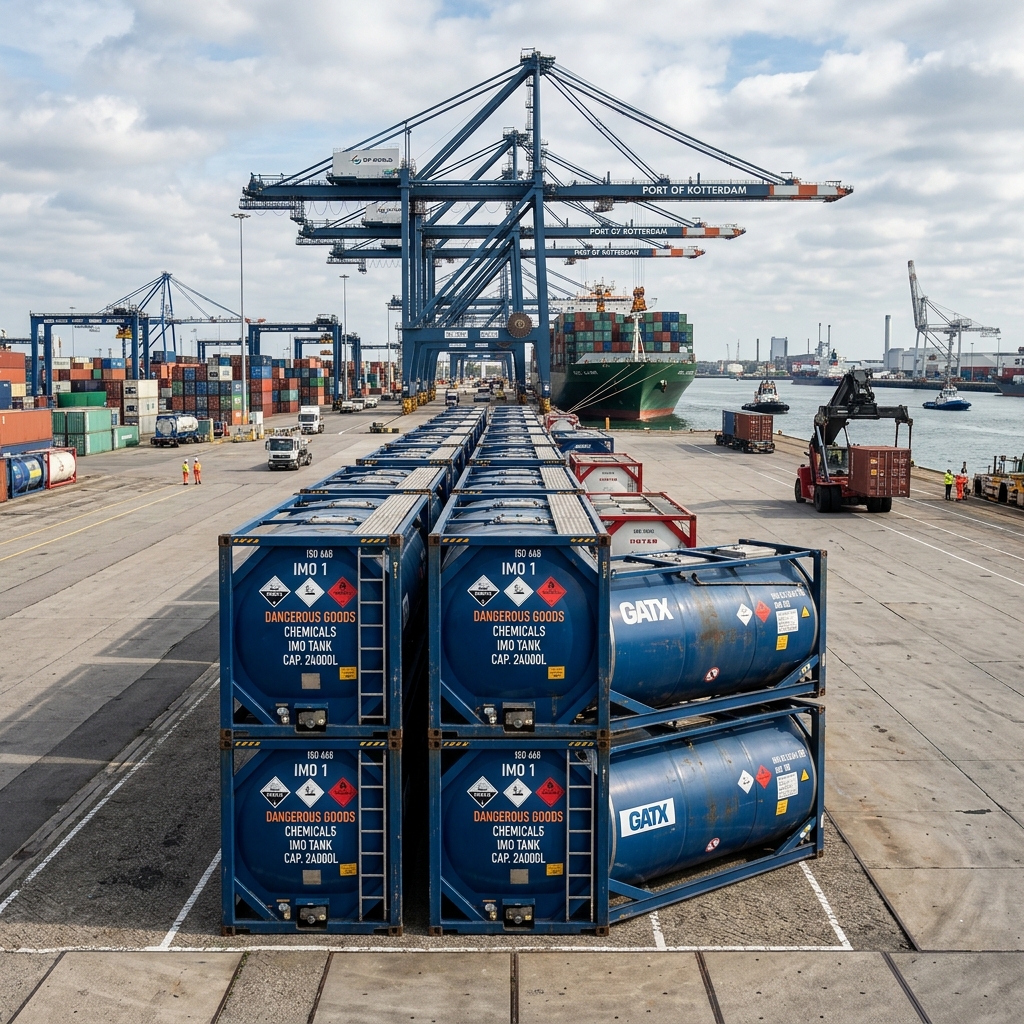
A forwarder with strong general references but no verifiable experience with your specific cargo type, dangerous goods, ISO tank containers, RoRo, or breakbulk and project cargo, on the China–UAE lane specifically, is asking you to be their learning experience. That's not disqualifying on its own, everyone starts somewhere, but it should change how much oversight and trial-shipment testing you build into the relationship before committing full volume.
Ask for references tied specifically to your cargo type and lane, and be skeptical of a forwarder who can't produce any, or who redirects to unrelated general freight experience instead.
Onboarding Checklist for Switching China–UAE Freight Forwarders
What to Do If You Spot One of These Flags
A single red flag doesn't automatically mean walk away, but it does mean ask a direct follow-up question and evaluate the answer carefully. Multiple red flags together are a stronger signal, and at that point, the more prudent move is usually to continue evaluating other forwarders rather than proceeding on the assumption that things will work out.
In-House Customs Clearance vs Third-Party Agents: Which Forwarder Model Wins
Frequently Asked Questions
Is a low quote always a sign of a problem?
Not always, but it always warrants a question. Ask what's included and compare it against a detailed, itemized quote from another forwarder before assuming the lower number reflects better value.
How many red flags is too many?
There's no fixed number, but if you find yourself needing to explain away more than one warning sign, that's usually a sign to keep evaluating other options rather than talking yourself into the relationship.
Can a new forwarder with limited track record still be a good choice?
Yes, particularly if they're transparent about their experience level and you build in a trial shipment before committing full volume. The red flag isn't limited experience; it's a forwarder who overstates their experience or avoids the question.
Conclusion: Trust the Pattern, Not Just the Pitch
Individually, any of these five warning signs might have an innocent explanation. Together, they form a pattern that's worth taking seriously before you commit cargo, and your business's supply chain reliability, to a forwarder relationship. A few direct questions during the evaluation process are far cheaper than discovering a problem after a shipment is already in transit.
Farway's licensing, in-house UAE customs clearance capability, and cargo-specific track record across dangerous goods, ISO tank containers, RoRo, and breakbulk cargo are verifiable and available on request.
Ready to move forward? [Request a cargo assessment](/contact or quote request page)