How to Vet a China–UAE Freight Forwarder Before Signing a Contract
Signing with a freight forwarder is easy. Finding out you chose the wrong one is usually expensive, and it tends to happen at the worst possible time, mid-shipment, when a container is sitting at Jebel Ali and nobody at the forwarder can tell you why. Proper vetting before you sign is the cheapest insurance available on this decision, and it doesn't take much longer than reading a proposal carefully and asking a handful of pointed questions.
How to Choose a China–UAE Freight Forwarder: A Buyer's Guide
This guide walks through a practical, step-by-step vetting process for importers and procurement managers evaluating a China–UAE freight forwarder, from the first proposal through to the contract you actually sign.
Key Takeaways
- Verify a forwarder's UAE trade license and customs registration independently rather than relying on their own claims.
- Ask for references from clients shipping similar cargo on the same China–UAE lane, not general references.
- Confirm whether customs clearance is handled in-house or outsourced before you sign, since this affects response time when something goes wrong.
- Get liability coverage, fee structure, and service level commitments in writing before the first shipment moves.
- A short trial shipment before committing full volume is a low-risk way to test a new forwarder's actual performance.
Step 1: Confirm Licensing and Registration Independently
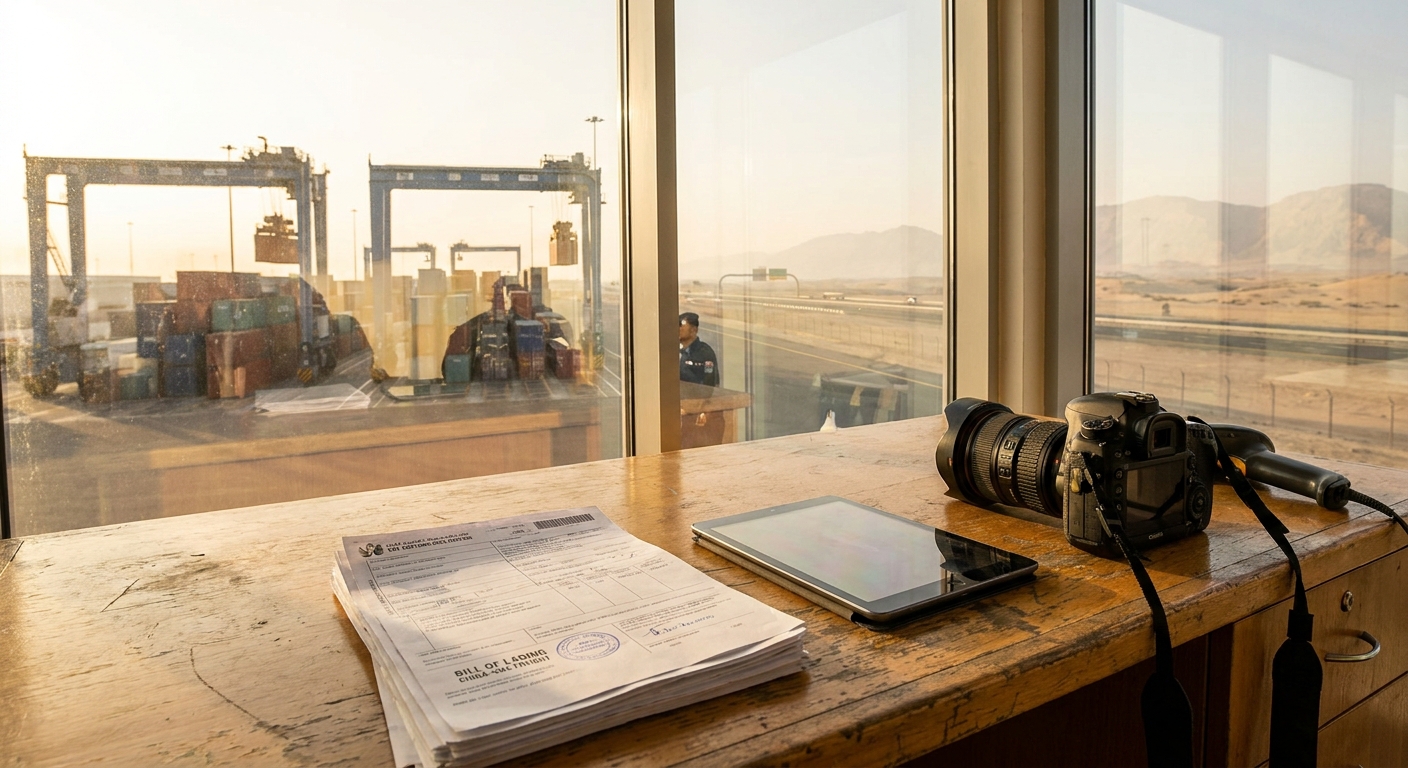
Before any other evaluation, confirm the forwarder is properly licensed to operate as a freight forwarder in the UAE, and, if they claim in-house customs clearance capability, that they hold the appropriate customs registration as well. Ask for the license number and registering authority directly, then verify it rather than accepting a screenshot or a claim on a company website at face value.
This step matters more than it might seem. A forwarder operating without proper UAE registration puts your shipment's clearance at risk regardless of how competent their sales team sounds, and it can create liability exposure for you as the importer of record.
Step 2: Ask for Cargo-Specific References
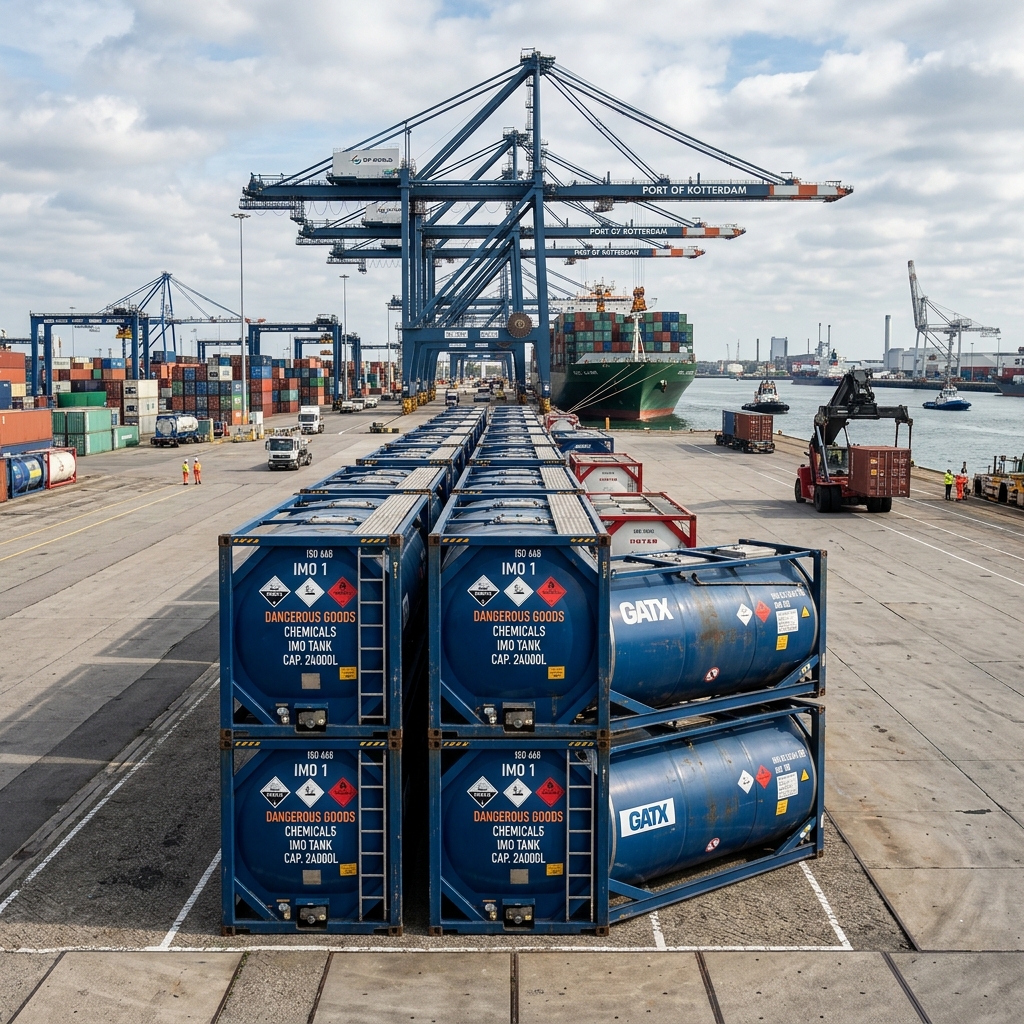
A general reference list tells you a forwarder has satisfied customers. It doesn't tell you they can handle your cargo. Ask specifically for references from clients who ship the same category of goods you do, standard containers, dangerous goods, ISO tank containers, RoRo, or breakbulk and project cargo, on the China–UAE lane specifically.
When you speak with a reference, ask concrete questions: how did the forwarder handle a delay or a customs hold, how responsive was their day-to-day communication, and would they use the forwarder again for the same cargo type. Vague, positive answers are less useful than specific stories, good or bad.
Step 3: Confirm the Customs Clearance Model
Ask directly whether UAE customs clearance and manifestation happen in-house or through a third-party agent. This single question tends to reveal a lot about how a forwarder will handle problems after cargo arrives at Jebel Ali. In-house clearance keeps the freight booking and customs process under one accountable team; a third-party model introduces a handoff that can slow down document corrections and status updates.
Step 4: Request a Detailed, Itemized Quote
Ask for a full breakdown of freight, documentation, customs clearance, and any cargo-specific handling charges before comparing quotes across forwarders. A quote that bundles everything into a single low number is harder to evaluate, and it's more likely to generate surprise line items once the shipment is underway.
What China–UAE Freight Forwarder Services Actually Cost
Step 5: Review Liability and Insurance Terms
Ask what happens if cargo is damaged or lost in transit, and what the forwarder's liability coverage actually covers versus what falls to your own cargo insurance. Standard forwarder liability under most international conventions is limited, often well below the actual replacement value of the goods, so understanding this gap before you ship, rather than after a claim, protects you from an unpleasant surprise.
Step 6: Ask About Escalation and Communication
Find out who your actual day-to-day contact will be, what their backup coverage looks like when that person is unavailable, and how the forwarder escalates a problem internally when a shipment is at risk of missing a deadline. A written service level agreement covering response times gives you something to hold the forwarder to if communication falls short after you've signed.
Step 7: Watch for Red Flags During the Process
The vetting process itself often surfaces warning signs before you ever get to a contract: reluctance to provide licensing details, vague answers about who handles clearance, or a quote that seems too good to be true relative to competitors. Any single flag deserves a follow-up question; multiple flags together are a reason to pause.
Step 8: Run a Trial Shipment Before Committing Full Volume
Before moving your full shipment volume to a new forwarder, consider routing a single, lower-stakes shipment through them first. A trial shipment tests documentation accuracy, communication responsiveness, and clearance speed under real conditions, at a much lower cost than discovering a problem on a high-value or time-sensitive shipment.
This step matters most when you're switching from an existing forwarder relationship, since a poorly managed transition can create gaps in coverage for shipments already in transit.
In-House Customs Clearance vs Third-Party Agents: Which Forwarder Model Wins
Step 9: Get Everything in Writing Before You Ship
Once you've decided to move forward, make sure the fee structure, service scope, liability terms, and communication commitments discussed during vetting are reflected in the signed contract, not just in a sales conversation. A verbal assurance about response times or in-house clearance capability isn't enforceable if it isn't written down.
Frequently Asked Questions
How long should the vetting process take?
For a straightforward standard container relationship, a few weeks is typically enough to cover licensing verification, reference checks, and quote comparison. For cargo requiring specialized handling, dangerous goods, tank containers, or breakbulk, allow more time to verify cargo-specific experience thoroughly.
Is it worth vetting a forwarder I've already worked with informally?
Yes. An informal or referral-based relationship doesn't substitute for verifying licensing, liability terms, and clearance model directly. Familiarity isn't the same as due diligence.
What's the single most important thing to verify before signing?
Licensing and customs registration come first, since nothing else matters if the forwarder can't legally clear your cargo. After that, confirming the customs clearance model, in-house versus third-party, tends to be the most predictive factor for how well the relationship performs after the first shipment.
Conclusion: Vetting Is a One-Time Cost That Prevents a Recurring Problem
A thorough vetting process before signing takes a few hours spread across licensing checks, reference calls, and a detailed quote review. Skipping it doesn't save that time; it just moves the cost downstream, usually to the moment a shipment is delayed and there's no clear accountability for fixing it. Treat vetting as part of the shipping process itself, not a formality before it.
If you're evaluating a forwarder for dangerous goods, ISO tank containers, RoRo, or breakbulk and project cargo on the China–UAE lane, Farway's team can walk you through their licensing, clearance model, and cargo-specific track record directly.
Ready to move forward? [Request a cargo assessment](/contact or quote request page)