
What China–UAE Freight Forwarder Services Actually Cost
Freight forwarder fees on the China–UAE lane rarely show up as a single line item, and importers who budget off the headline freight rate alone are the ones most likely to be surprised by the final invoice. A forwarder's service fee sits on top of, and separate from, the carrier's base freight charge, and it covers a specific set of activities: booking coordination, documentation preparation, customs clearance, and, for regulated or oversized cargo, specialized handling.
How to Choose a China–UAE Freight Forwarder: A Buyer's Guide
This article breaks down what forwarding services actually cost on the China–UAE corridor, what drives that cost up or down, and how to compare quotes so you're evaluating the full scope of service, not just the number at the top of the proposal.
Key Takeaways
- A forwarder's service fee is separate from the carrier's base freight rate and typically covers booking, documentation, and coordination.
- Customs clearance and manifestation fees vary depending on whether the forwarder handles clearance in-house or outsources it to a third-party agent.
- Cargo-specific handling, dangerous goods, ISO tank containers, and breakbulk or project cargo, adds cost beyond standard containerized freight.
- Accessorial charges (demurrage, detention, peak season surcharges) are the most common source of unbudgeted cost on this lane.
- Comparing forwarders on an itemized quote basis, rather than a single bundled number, is the most reliable way to identify what you're actually paying for.
Why Forwarder Fees Are Hard to Compare at a Glance
Two forwarders can quote very different numbers for what looks like the same service, and the difference usually comes down to what's included rather than one forwarder simply being more expensive. A quote that bundles documentation, customs coordination, and cargo handling into a low headline number can end up costing more than a itemized quote that looks higher at first glance, once every service that's actually needed is accounted for.
The Core Cost Components of a Forwarder's Fee
Booking and Coordination Fees
This covers the forwarder's work to secure vessel or flight space, negotiate or apply contract rates, and manage the booking through departure. It's typically the smallest component of the total forwarding fee relative to documentation and clearance work, but it's the one most closely tied to the forwarder's carrier relationships and negotiating leverage.
Documentation Preparation Fees
Preparing and reviewing the commercial invoice, packing list, bill of lading or air waybill, and certificate of origin, and reconciling them against each other, is a distinct cost from booking. For cargo requiring additional documentation, dangerous goods declarations, tank certifications, or lifting plans, expect this component to scale up.
The Essential Documentation Checklist for China–UAE Shipments
Customs Clearance and Manifestation Fees
This is one of the areas where forwarder pricing models diverge most. A forwarder handling clearance in-house typically prices it as part of an integrated service fee. A forwarder outsourcing clearance to a third-party agent passes through the agent's fee, sometimes with a coordination markup on top, which can make the total cost harder to predict and, in some cases, higher than an integrated in-house model.
Cargo-Specific Handling Fees
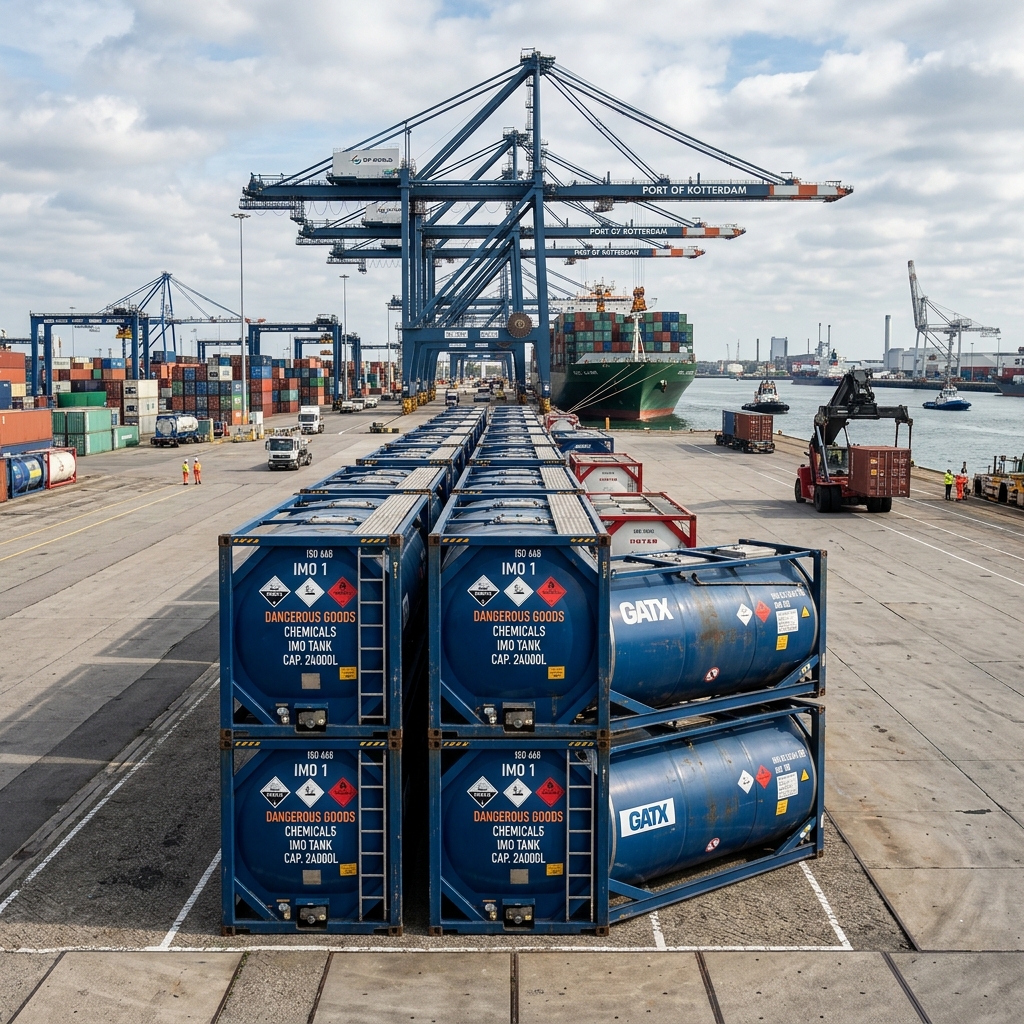
Dangerous goods shipments typically carry a surcharge tied to classification review, carrier acceptance coordination, and compliance documentation. ISO tank container shipments add cleaning, certification, and repositioning costs. Breakbulk and project cargo pricing reflects the engineering work behind lifting plans, route surveys, and port coordination, and it tends to be quoted per shipment rather than on a standard rate card given how much these shipments vary.
What Drives Forwarder Fees Up or Down
Cargo Complexity
Standard containerized general cargo sits at the lower end of forwarder service pricing because the process is well established and low-risk. Dangerous goods, tank containers, and breakbulk or project cargo cost more to move through a forwarder because each requires specialized expertise, additional documentation, and more coordination time.
Shipment Volume and Frequency
Importers shipping consistent volume on a regular schedule typically have more room to negotiate service fees than one-off or irregular shippers, since a forwarder can plan capacity and staffing around predictable demand.
In-House vs Outsourced Customs Clearance
An integrated forwarder handling clearance in-house can often price the full service, freight coordination plus clearance, more predictably than a forwarder passing through a separate agent's invoice, which introduces a second markup layer and less pricing transparency.
In-House Customs Clearance vs Third-Party Agents: Which Forwarder Model Wins
Peak Season Timing
Booking during peak shipping periods, ahead of major holidays or during periods of tight vessel capacity, tends to push both freight rates and forwarder coordination costs higher, since securing space requires more active management.
Accessorial Charges That Add to the Total
Beyond the core service fee, several accessorial charges commonly appear on the final invoice and catch importers who budgeted off the original quote alone. Demurrage and detention accrue when a container sits at the port or with the consignee beyond the carrier's free time allowance. Peak season surcharges and bunker or currency adjustment factors move with market conditions and aren't always reflected in an advance quote. Storage fees can apply if cargo isn't cleared and collected promptly after arrival.
Asking a forwarder to itemize which of these charges are likely, rather than possible in theory, gives a more realistic picture of total cost before the shipment moves.
How to Compare Forwarder Quotes Fairly
Request a full breakdown from every forwarder you're evaluating: base freight, forwarder service fee, documentation, customs clearance, cargo-specific handling, and an estimate of likely accessorial charges. Comparing bundled totals against each other tells you which number is lowest; it doesn't tell you which forwarder offers the best value once the full scope of service is accounted for.
5 Red Flags to Watch for When Hiring a China–UAE Freight Forwarder
Verifying that the forwarder issuing a low quote is actually licensed and registered to deliver everything in that quote is a useful sanity check before you commit.
Licensing and Compliance Requirements for UAE Freight Forwarders
Frequently Asked Questions
Is a lower forwarder quote always a red flag?
Not automatically, but it's worth understanding why. A lower quote can reflect genuine efficiency or volume discounts, or it can reflect missing line items that show up later. The way to tell the difference is asking for an itemized breakdown before comparing.
Do forwarder fees vary by cargo type?
Yes, meaningfully. Standard containerized cargo carries the most predictable and typically lowest forwarding fees. Dangerous goods, ISO tank containers, and breakbulk or project cargo all carry additional cost tied to the specialized handling and documentation each requires.
What's the most commonly overlooked cost on a China–UAE shipment?
Accessorial charges, particularly demurrage, detention, and peak season surcharges, are the costs importers most often leave out of their initial budget because they're contingent rather than guaranteed, but they show up often enough to plan for.
Conclusion: Budget for the Full Scope, Not the Headline Number
What a China–UAE freight forwarder actually costs depends on cargo type, service scope, and whether customs clearance is handled in-house or outsourced, not on a single universal rate. The most reliable way to budget accurately, and to compare forwarders fairly, is asking for an itemized quote that separates freight, service fees, clearance, and cargo-specific handling, then evaluating what's actually included before comparing the bottom line.
If you need a transparent, itemized quote for dangerous goods, ISO tank containers, RoRo, or breakbulk and project cargo moving between China and the UAE, Farway's team can walk you through exactly what's included in a proposal before you commit.
Ready to move forward? [Request a cargo assessment](/contact or quote request page)