Rate Quote Checklist: What to Verify Before Booking China-UAE Freight
A freight quote can look complete and still leave out the details that end up costing you later. Running through a short checklist before you confirm a booking catches most of the gaps that turn into disputes after the shipment has already sailed.
China to UAE Freight Rate Guide: FCL, LCL, and Charter Pricing Explained
Key Takeaways
- Confirm whether the quote is all-in or base-rate-only, since surcharges added separately can meaningfully change the total.
- Check the free time allowance at both origin and destination to avoid unplanned demurrage and detention charges.
- Verify the container or cargo type matches what's quoted, since a mismatch can trigger a rate change mid-booking.
- Confirm the quote's validity period and whether it's protected against GRIs announced before your sailing date.
- Ask what documentation is required and by when, since late documentation is one of the most common causes of both delay and additional fees.
Why a Quote Checklist Matters
A freight quote is a starting point, not a guarantee of final cost, unless you've confirmed what it actually includes. Shippers who skip this step tend to discover the gaps only when the final invoice arrives, at which point there's little room to negotiate. Running through a fixed set of questions before booking shifts that conversation to before the shipment moves, when you still have leverage to clarify or renegotiate terms.
What You Need Before Requesting a Quote
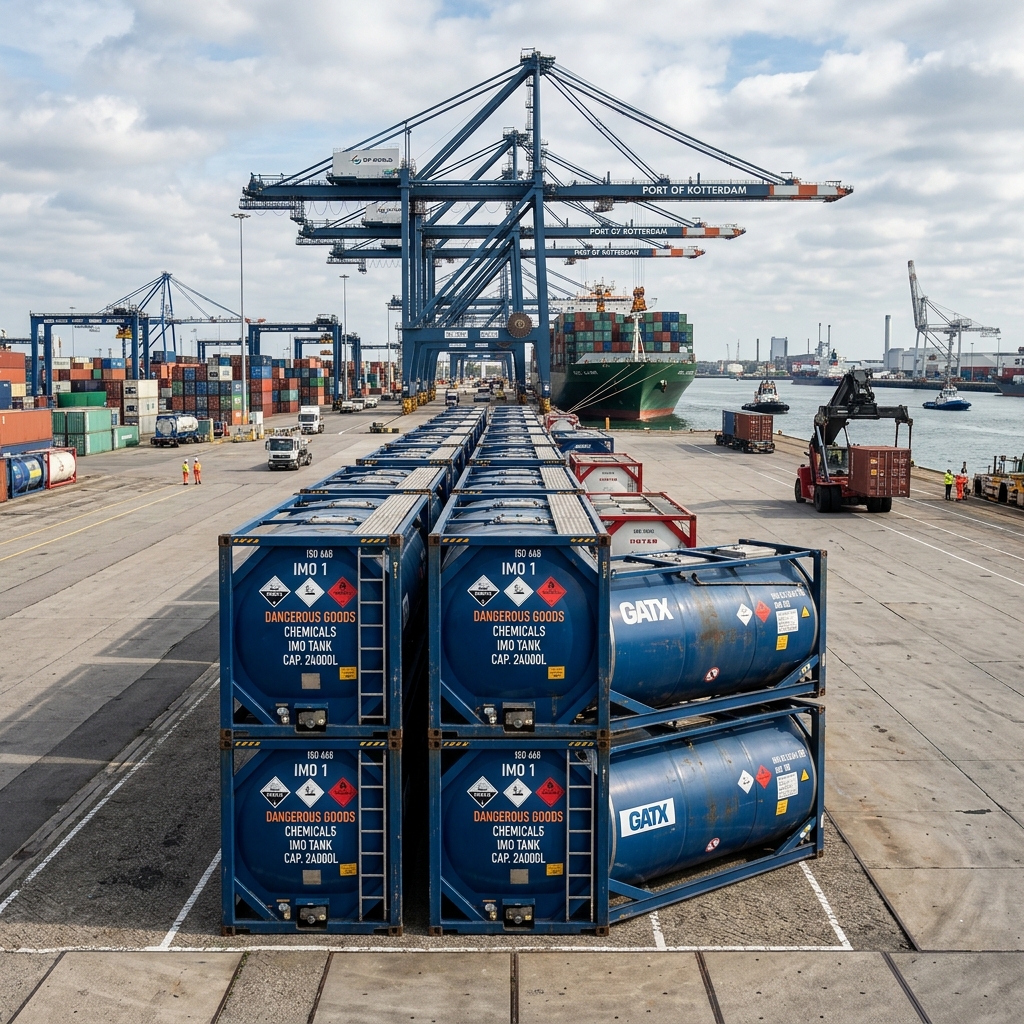
Before you can get an accurate, comparable quote, gather the shipment details a forwarder needs to price it correctly: cargo type and whether it's standard, dangerous goods, or requires specialized handling (ISO tank, RoRo, breakbulk); accurate weight and dimensions for every package or, for FCL, confirmation of container size needed; origin port in China and preferred or required destination port in the UAE; and your target Incoterm (FOB, CIF, EXW, DDP), since this determines who's responsible for which cost components.
Incomplete cargo details at the quote stage is one of the most common reasons a quote changes once the forwarder sees the actual shipment, so front-loading this information reduces that risk.
Step 1: Confirm What's Included in the Quote
Ask directly whether the quoted figure is all-in (base rate plus BAF, CAF, and standard handling charges included) or base-rate-only with surcharges to be added separately. This single question resolves more quote-comparison confusion than any other, since two quotes with very different headline numbers can turn out to be nearly identical once both are itemized the same way.
Freight Surcharge Regulations and BAF/CAF Explained for China-UAE Lanes
Step 2: Check Free Time and Demurrage/Detention Terms
Confirm how many free days are included at the origin port, the destination port, and, for LCL or door delivery, how detention free time is calculated once the container leaves the port. Free time allowances differ by carrier and port, and they're one of the most common sources of unplanned charges when a shipper assumes a longer window than what's actually offered.
5 Hidden Fees That Inflate China-UAE Freight Quotes
Step 3: Verify Container or Cargo Type Matches the Quote
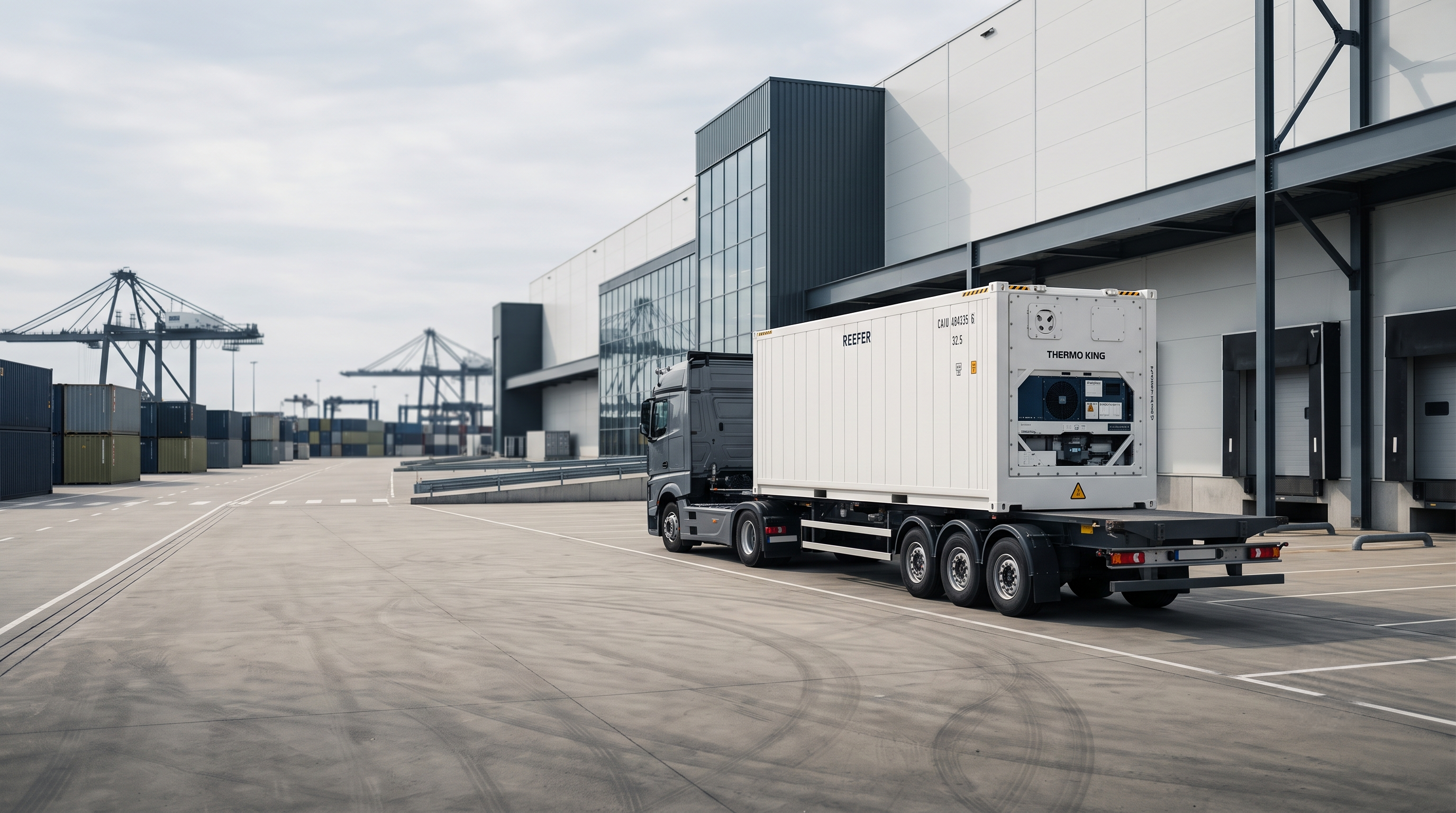
Make sure the quote reflects the actual container type your cargo requires, standard dry, reefer, ISO tank, or flat rack, and confirm the quote accounts for any cargo-specific classification, particularly if any part of the shipment qualifies as dangerous goods under the IMDG Code. Substituting the wrong container type or discovering a dangerous goods classification after quoting is a common trigger for a rate adjustment mid-booking.
How Freight Rates Are Calculated on the China-UAE Trade Lane
Step 4: Confirm the Quote's Validity Period
Ask how long the quoted rate remains valid, and whether it's protected against a General Rate Increase (GRI) or Peak Season Surcharge (PSS) announced before your actual sailing date. Ocean freight rates, particularly spot rates, can move within days during volatile periods, so a quote without a clear validity window can end up being renegotiated by the time you're ready to book.
Step 5: Ask About Documentation Requirements and Deadlines
Confirm what documentation is required from you (commercial invoice, packing list, certificate of origin, and any cargo-specific documents like a dangerous goods declaration) and the deadline for submitting each one relative to the sailing date. Late or incomplete documentation is one of the most common causes of both shipment delay and additional documentation amendment fees.
Rate Quote Checklist: What to Verify Before Booking China-UAE Freight
Step 6: Confirm Routing and Transit Time Assumptions
Ask whether the quoted transit time assumes direct routing or transshipment through a hub port, since transshipment routings can add days and, in some cases, additional handling costs compared to a direct service. If timing matters for your shipment, this is worth confirming rather than assuming the fastest available option was automatically quoted.
Common Mistakes When Skipping the Checklist
The most common mistake is comparing quotes from different forwarders without confirming they're itemized the same way, which makes a base-rate-only quote look artificially cheaper next to an all-in quote. A second is not confirming free time terms, which leads directly to unplanned demurrage or detention charges. A third is providing incomplete cargo details at the quote stage, which forces a rate revision once the forwarder sees the actual shipment specifics.
Frequently Asked Questions
How long should I expect a freight quote to stay valid?
This varies by forwarder and market conditions, but most quotes carry a defined validity window, often measured in days rather than weeks during volatile rate periods. Always confirm the specific window rather than assuming a standard duration.
What's the single most important question to ask before booking?
Whether the quote is all-in or base-rate-only. This one question resolves the majority of confusion when comparing quotes across forwarders and prevents the most common source of billing surprises.
Should I get this checklist in writing from my forwarder?
Yes. A written confirmation of inclusions, free time terms, and validity period gives you a reference point if the final invoice differs from what was discussed, and a reputable forwarder should have no hesitation providing this.
Conclusion: A Few Questions, Asked Early, Prevent Most Disputes
None of the items on this checklist are complicated, but skipping them is where most freight quote disputes originate. Running through what's included, free time terms, cargo type match, quote validity, documentation deadlines, and routing assumptions before booking turns a quote into a number you can actually rely on.
China to UAE Freight Rate Guide: FCL, LCL, and Charter Pricing Explained
Want a fully itemized, checklist-verified quote? [Request a freight rate assessment](/contact or quote request page)