
How Freight Rates Are Calculated on the China-UAE Trade Lane
Freight rates look opaque until you understand the handful of variables that actually drive them. Once you can work through the calculation yourself, a quote stops looking like a black box and starts looking like a formula you can check.
This guide walks through how China-UAE freight rates are calculated for FCL, LCL, air freight, and project cargo, step by step, so you can sanity-check a quote before you book rather than after.
China to UAE Freight Rate Guide: FCL, LCL, and Charter Pricing Explained
Key Takeaways
- FCL rates are a flat per-container charge; LCL and air rates are calculated per cubic meter or weight ton, whichever produces the higher figure (chargeable weight).
- The volumetric conversion factor used to calculate chargeable weight differs between ocean LCL and air freight, so the same cargo can price differently depending on mode.
- Surcharges (BAF, CAF, peak season, handling) are added on top of the base rate and can represent a meaningful share of the total freight cost.
- Project cargo and charter pricing don't follow a published tariff; they're quoted per shipment based on weight, dimensions, and handling requirements.
- Knowing the calculation method lets you verify a quote's math rather than accepting it as a fixed, unquestionable number.
Why Understanding Rate Calculation Matters
A freight quote that you can't verify is a quote you're taking on faith. Understanding how the underlying calculation works lets you check whether a quoted rate is consistent with your cargo's actual weight and volume, and it gives you a basis for questioning a number that seems out of line.
This matters more for LCL and air freight than for FCL, since FCL pricing is a flat per-container number with fewer moving parts. LCL and air freight pricing depends on a chargeable weight calculation that isn't always explained clearly on the quote itself.
What You Need Before You Can Calculate a Rate
Before you can work through a rate calculation, you need a few pieces of information about the shipment itself: the cargo's actual gross weight in kilograms, its dimensions (length, width, height for each package or pallet, or total cubic meters if already calculated), the shipping mode you're evaluating (sea FCL, sea LCL, or air), and the current base rate and surcharge schedule from your forwarder or carrier for the relevant origin-destination pair.
Without accurate weight and dimension figures, any calculation is just an estimate, and a mismatch between declared and actual figures at the port is one of the more common triggers for a rate adjustment or a customs hold.
Rate Quote Checklist: What to Verify Before Booking China-UAE Freight
Step 1: Determine Your Shipping Mode
Start by confirming whether the shipment qualifies for FCL, or whether it needs to move as LCL, air freight, or a specialized mode like RoRo or project cargo. This decision shapes everything downstream, since each mode uses a different pricing logic.
As a rough guide, cargo approaching the volume of a 20-foot container (around 25-28 cubic meters, though this varies by cargo density and container type) starts to make more sense as FCL than LCL, since you're paying for space you'd otherwise be renting anyway. Cargo well below that threshold is usually more cost-efficient as LCL.
FCL vs LCL: Which Is Cheaper for Your China-UAE Cargo Volume
Step 2: Calculate the Base Rate for FCL
For FCL, the calculation is the simplest of the group: it's a flat rate per container size (20-foot, 40-foot, or 40-foot high cube), quoted by the carrier or forwarder for the specific origin port and destination port pair. This rate applies whether the container is packed to capacity or only partially full, which is why FCL pricing doesn't require a chargeable weight calculation the way LCL and air freight do.
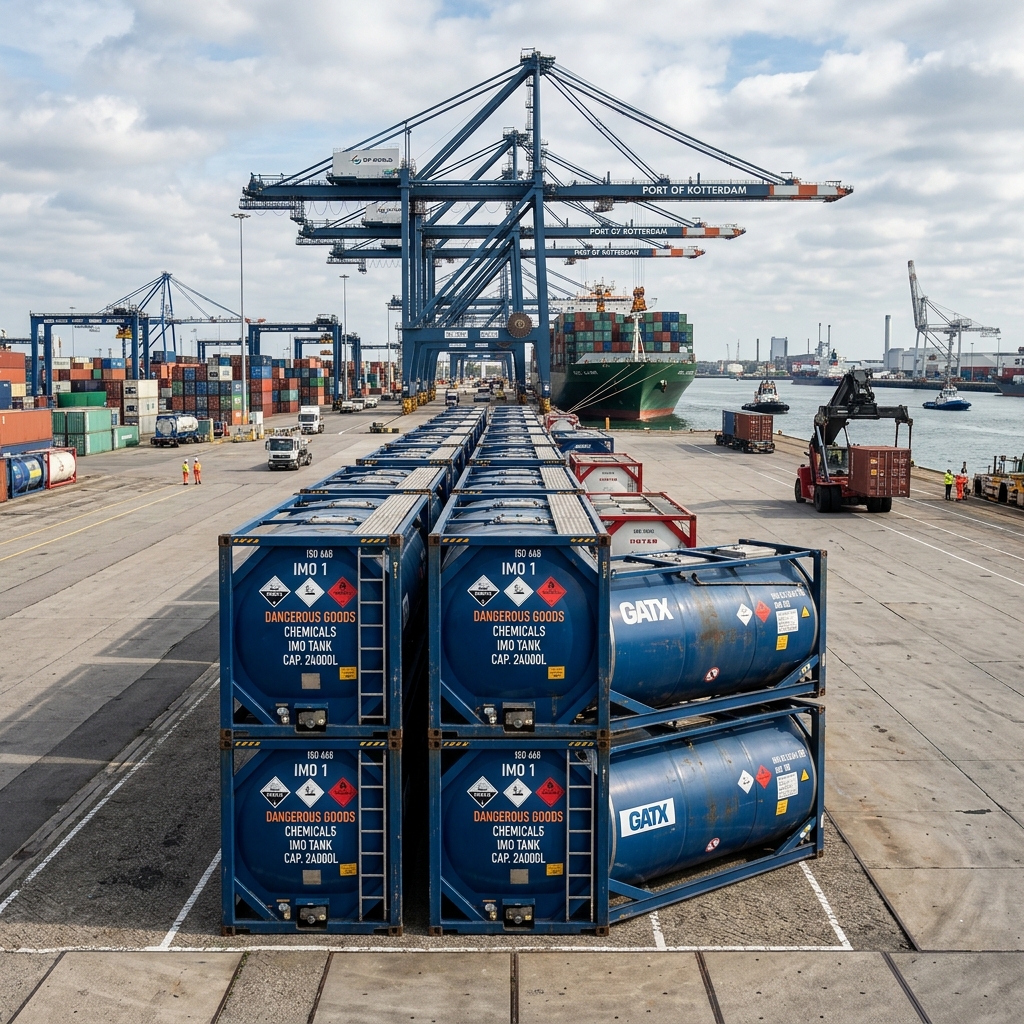
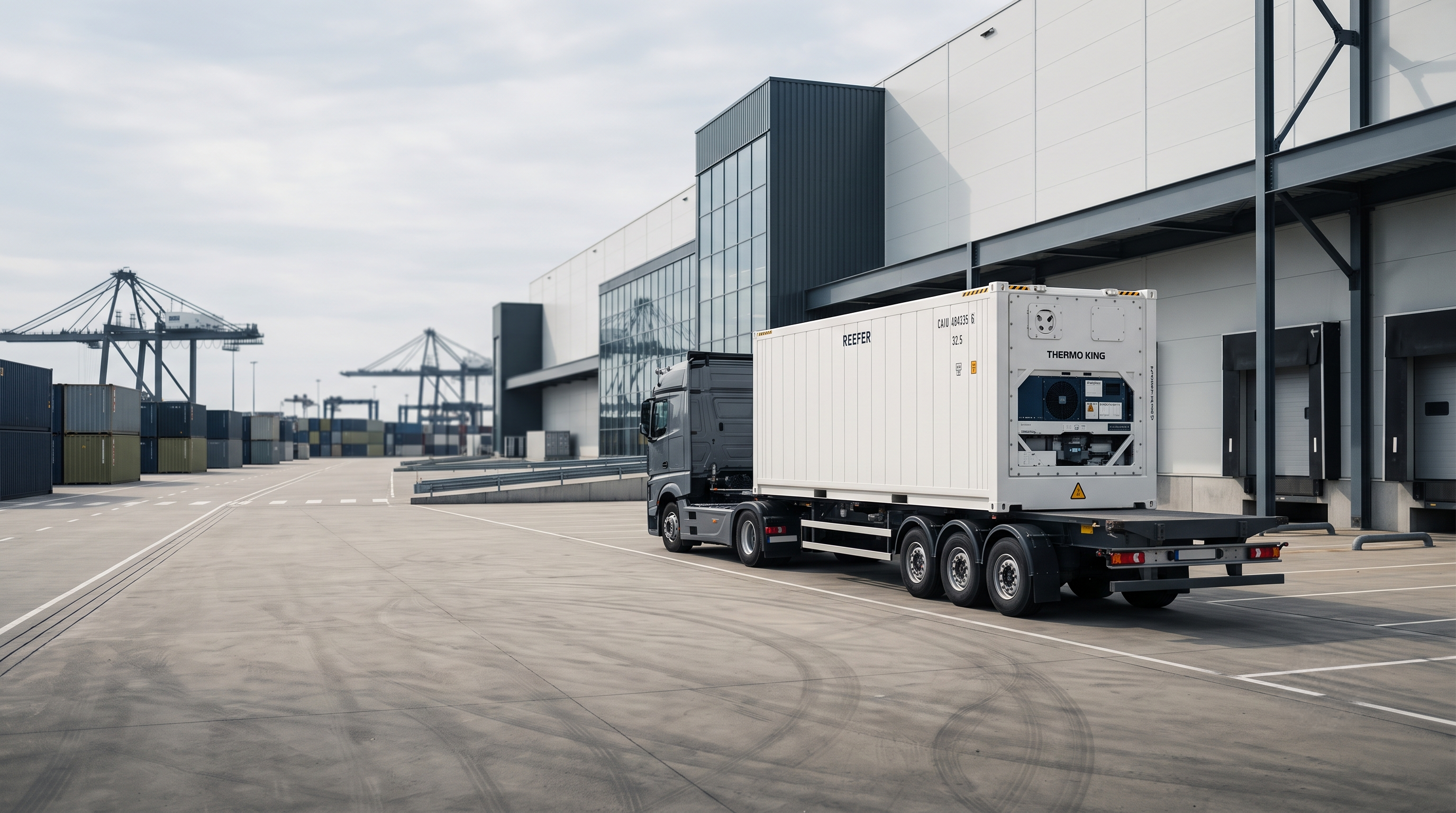
Container type affects the base rate too. Standard dry containers carry the base tariff; reefer containers, ISO tank containers, flat racks, and open-top containers each carry their own rate structure, typically higher than standard dry container pricing, reflecting the specialized equipment involved.
Step 3: Calculate Chargeable Weight for LCL
LCL pricing is calculated on chargeable weight, which is the greater of the cargo's actual (gross) weight in weight tons, or its volumetric weight, calculated from cubic meters. The standard ocean freight conversion is 1 cubic meter (CBM) equals 1 weight ton (1,000 kg) for LCL purposes, though this can vary slightly by carrier and consolidator.
To calculate: work out total cubic meters (length x width x height in meters, for each package, summed across all packages), and compare that figure against total actual weight in metric tons. Whichever number is higher becomes the chargeable weight, and the LCL rate (quoted per cubic meter or per weight ton) is applied to that figure.
This is why dense, heavy cargo (like machinery parts) tends to be charged on actual weight, while bulky, lightweight cargo (like packaging materials or certain consumer goods) tends to be charged on volume, since volume produces the higher number in that case.
FCL vs LCL Costs for China to UAE Shipments in 2026
Step 4: Calculate Chargeable Weight for Air Freight
Air freight uses a similar logic to LCL, comparing actual weight against volumetric weight, but the conversion factor is different because air freight capacity is constrained differently than ocean freight capacity. The commonly used air freight volumetric conversion is 6,000 cubic centimeters per kilogram (or equivalently, 1 cubic meter equals roughly 167 kg), though some carriers apply variations on this formula.
As with LCL, whichever figure, actual or volumetric weight, is higher becomes the chargeable weight used to calculate the air freight cost. This distinction matters because it means the same physical shipment can have a different chargeable weight for air freight than it would for LCL ocean freight, which is one reason air and sea quotes for the same cargo aren't directly comparable on a per-kilogram basis without running both calculations.
Step 5: Add Surcharges to the Base Rate
Once the base rate (FCL flat rate, or LCL/air chargeable weight multiplied by the per-unit rate) is established, surcharges are added on top. The most common are Bunker Adjustment Factor (BAF) for fuel cost pass-through, Currency Adjustment Factor (CAF) for exchange rate pass-through, terminal handling charges at origin and destination, documentation fees, and, during high-demand periods, a Peak Season Surcharge (PSS).
These surcharges should appear as itemized line items on the quote, not folded silently into the base rate. A quote that shows only a single all-in number without itemization makes it harder to verify what you're actually being charged for, and harder to compare against a competing quote on an apples-to-apples basis.
Freight Surcharge Regulations and BAF/CAF Explained for China-UAE Lanes
Step 6: Factor in Destination Charges and Customs Costs
The freight rate calculation covers the movement of cargo from origin port to destination port, but it doesn't include what happens after arrival: UAE customs duty (typically a percentage of the CIF customs value), VAT, destination handling charges, and delivery from the port to your final destination if you're using door delivery rather than port pickup. A complete cost calculation adds these figures to the freight rate itself to arrive at total landed cost, which is the number that actually matters for budgeting.
Common Mistakes When Estimating Freight Rates
The most frequent error is comparing quotes without confirming they use the same chargeable weight basis, since a quote calculated on volumetric weight can look cheaper per unit than one calculated on actual weight even for the same physical cargo. A second common mistake is treating the base rate as the full cost and forgetting to add surcharges when budgeting, which routinely produces a final invoice that's meaningfully higher than the number used for planning. A third is using outdated dimensions or weight figures from an earlier version of the shipment, which can trigger a rate adjustment once the carrier verifies the actual cargo at the port.
Frequently Asked Questions
What's the difference between actual weight and chargeable weight?
Actual weight is the physical weight of the cargo. Chargeable weight is whichever is higher between actual weight and volumetric weight (a calculation based on the cargo's cubic dimensions). Freight is billed on chargeable weight, not actual weight alone.
Does the volumetric conversion factor differ between sea and air freight?
Yes. Ocean LCL freight commonly uses a 1 CBM equals 1 weight ton conversion, while air freight commonly uses a 6,000 cubic centimeters per kilogram conversion. This is one reason sea and air quotes for the same cargo aren't directly comparable without running both calculations separately.
Can I calculate my own freight rate without a forwarder's quote?
You can estimate a rate range using published base rates and standard surcharge assumptions, but an accurate, bookable quote requires current carrier rates, which change frequently, and confirmation of surcharges applicable to your specific routing and timing. Treat a self-calculated estimate as a planning tool, not a final number.
Why did my quoted rate change between request and booking?
Ocean and air freight rates, particularly spot rates, can move within days during volatile periods due to vessel capacity changes, GRIs, or peak season demand. Locking in a rate typically requires confirming the booking promptly, since a quote's validity period is usually limited.
Conclusion: Turning a Quote Into a Number You Can Verify
Freight rate calculation isn't complicated once you know the formula: base rate, adjusted for chargeable weight where applicable, plus itemized surcharges, plus destination costs for a full landed cost picture. Working through the calculation yourself, even roughly, turns a quote from a number you have to trust into a number you can check.
China to UAE Freight Rate Guide: FCL, LCL, and Charter Pricing Explained
Want a rate calculated and itemized for your specific cargo? [Request a freight rate assessment](/contact or quote request page)