
FCL vs LCL: Which Is Cheaper for Your China-UAE Cargo Volume
FCL and LCL aren't competing services so much as two different pricing models suited to different cargo volumes. The cheaper option depends on where your shipment sits relative to a break-even point, not on which one has a better reputation. This comparison walks through both options directly so you can match the decision to your actual volume.
China to UAE Freight Rate Guide: FCL, LCL, and Charter Pricing Explained
Key Takeaways
- FCL charges a flat rate per container regardless of fill level; LCL charges per chargeable weight (cubic meters or weight tons), so the cheaper option depends on how much of a container your cargo would occupy.
- FCL offers more predictable pricing, simpler customs handling, and lower damage risk since your cargo isn't sharing space with other shippers' goods.
- LCL offers lower cost for smaller volumes and more shipping frequency flexibility, at the cost of added consolidation time and shared-container risk.
- The decision should be revisited each time your shipment volume changes meaningfully, since the cheaper option isn't fixed.
Quick Comparison
| Factor | FCL | LCL |
|---|---|---|
| Pricing basis | Flat rate per container | Per cubic meter or weight ton (chargeable weight) |
| Best for | Volumes approaching container capacity | Smaller, irregular volumes |
| Transit time | Typically faster (no consolidation/deconsolidation) | Slower (added handling at both ends) |
| Customs handling | Simpler (single shipper's cargo) | More complex (shared container, multiple shippers) |
| Damage/delay risk | Lower (exclusive container use) | Higher (shared handling, dependent on co-loaders) |
| Cost predictability | High (fixed per container) | Variable (scales with volume and weight) |
FCL Overview
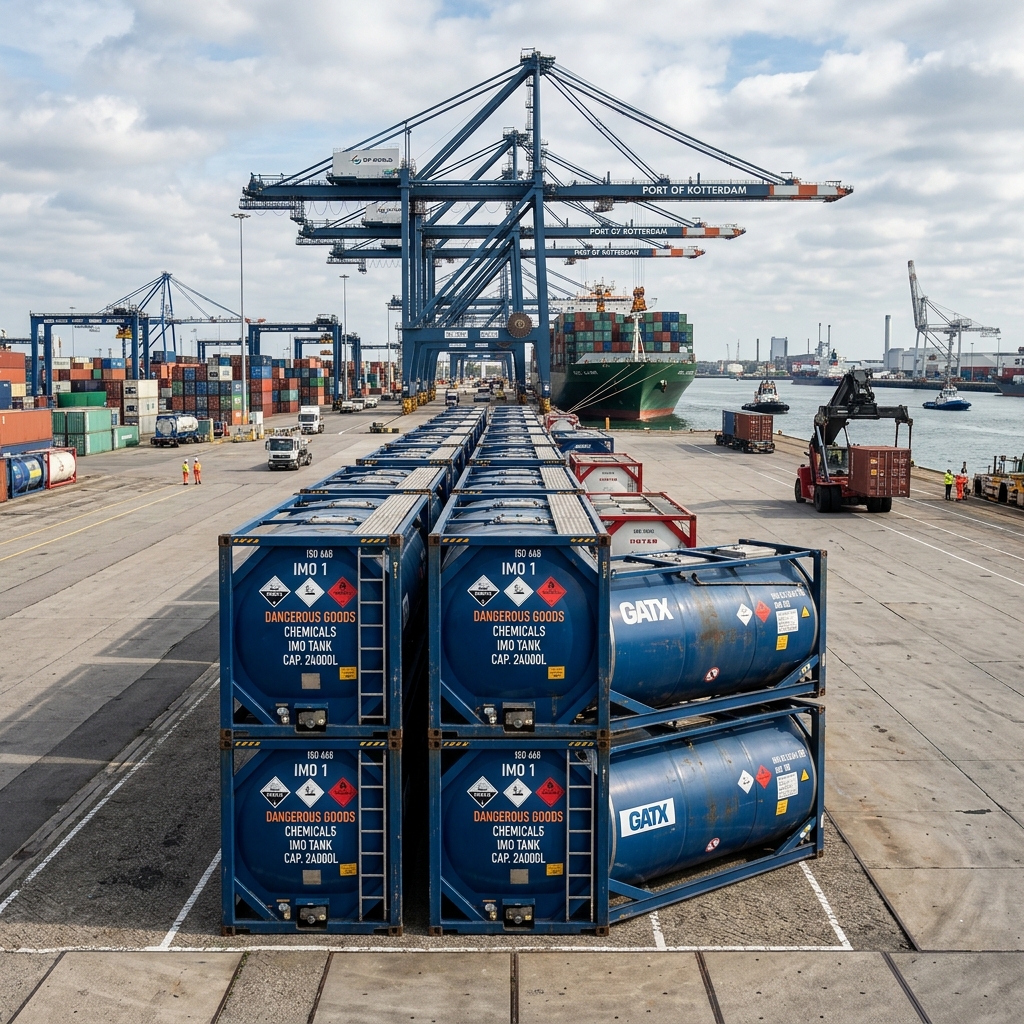
Full Container Load gives you exclusive use of a 20-foot, 40-foot, or 40-foot high cube container for a flat rate, regardless of how much cargo actually goes inside. This makes FCL the more predictable choice from a budgeting standpoint since the rate is fixed once booked. Customs handling tends to be simpler too, since the container holds only your cargo, with no risk of another shipper's documentation issue holding up your goods.
FCL doesn't scale down efficiently. A container filled to a quarter of its capacity still costs the full container rate, which means shippers with smaller or infrequent volumes end up paying for unused space if they default to FCL out of habit rather than volume-based decision-making.
LCL Overview
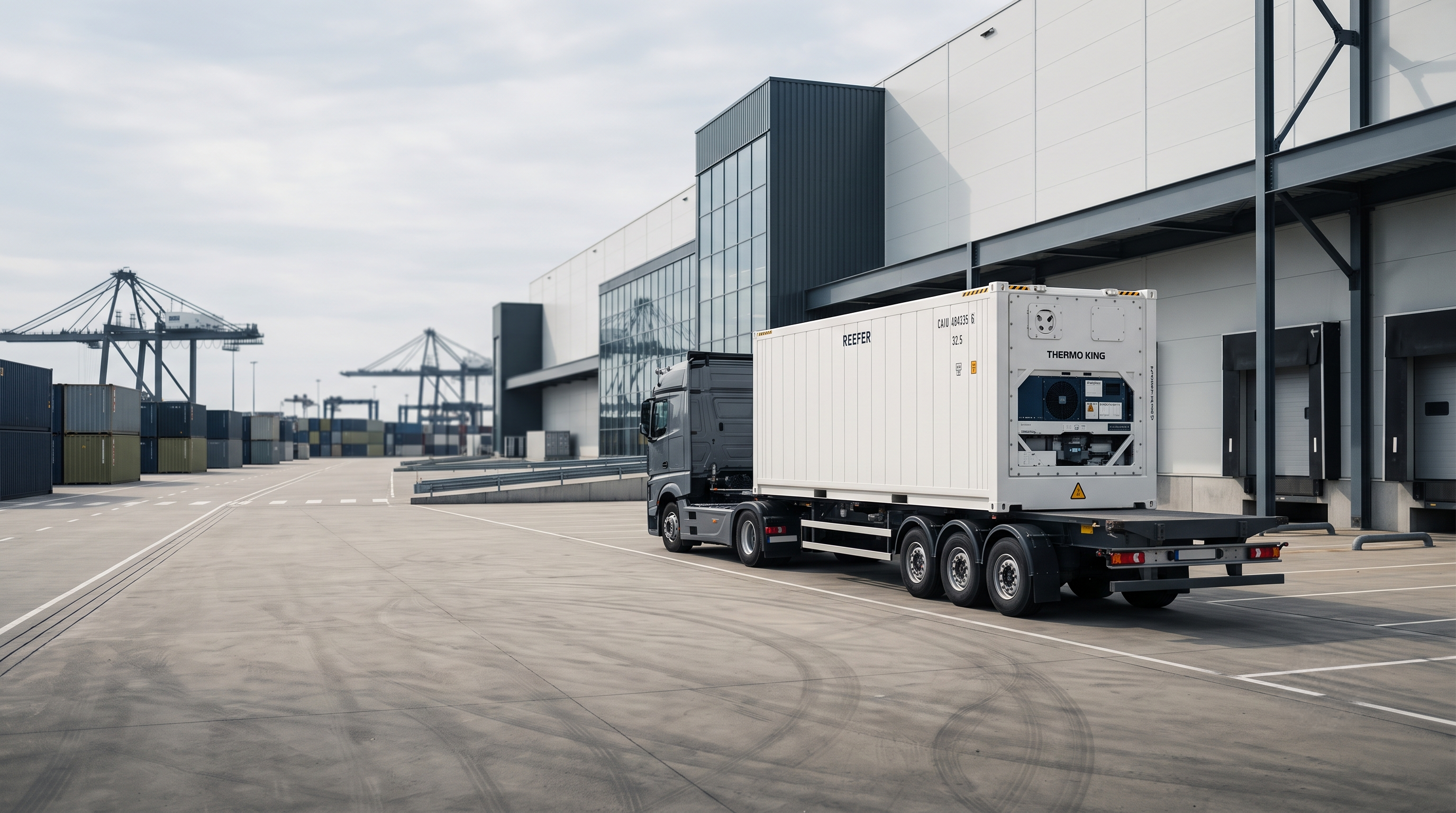
Less than Container Load combines your cargo with other shippers' goods in a shared container, and you pay only for the space (or weight) your cargo occupies. This makes LCL the more cost-efficient option for shipments that fall well short of a full container's worth of volume.
The tradeoff is added time and complexity. LCL cargo goes through consolidation at the origin container freight station and deconsolidation at destination, both of which add days to the overall transit timeline compared to FCL. Sharing a container with other shippers also introduces dependency risk: if another shipper's paperwork or cargo triggers a customs hold on the shared container, your cargo can be delayed even though your own documentation is in order.
FCL vs LCL Costs for China to UAE Shipments in 2026
Feature-by-Feature Comparison
Cost structure: FCL is fixed regardless of fill level; LCL scales with chargeable weight, which means the cost comparison depends entirely on your specific cargo volume and density, not a general rule.
Transit time: FCL typically moves faster port to door since it skips the consolidation and deconsolidation steps LCL requires at both ends.
Documentation and customs: FCL customs handling is more straightforward because the container isn't shared. LCL introduces more parties into the documentation chain, which increases the number of places a delay can originate.
Risk profile: FCL carries lower risk of handling damage and third-party delay since your cargo isn't mixed with other shippers' goods. LCL carries a modestly higher risk profile tied to the shared handling process.
Flexibility: LCL allows more frequent, smaller shipments without committing to full container volume each time, which suits businesses with variable or seasonal order patterns.
Pricing Comparison
The core pricing difference is structural: FCL is a flat number, LCL is a calculated number based on chargeable weight. Below the break-even volume, typically in the range of 12 to 20 cubic meters for a 20-foot container equivalent depending on current rates and cargo density, LCL tends to produce a lower total cost. Above that threshold, FCL's flat rate becomes the more economical option since you stop paying incrementally for additional volume.
LCL quotes should be checked for whether container freight station (CFS) fees are included in the per-cubic-meter rate or billed separately, since that inclusion shifts the effective break-even point.
How Freight Rates Are Calculated on the China-UAE Trade Lane
Which Should You Choose?
If your shipment volume consistently approaches or exceeds roughly 60-70% of a 20-foot container's capacity, FCL is generally the more cost-efficient and operationally simpler choice. If your volume is smaller, irregular, or you're shipping multiple product lines that don't reliably fill a container together, LCL keeps costs proportional to what you're actually moving.
For shippers who fall consistently near the break-even line, it's worth running the calculation on each shipment rather than defaulting to one mode. A related option worth considering at that point is LCL consolidation, combining multiple smaller shipments into a more efficient booking pattern, which can capture some of FCL's cost efficiency without requiring full container volume on every individual order.
Case Study: Consolidating LCL Shipments to Cut China-UAE Costs
Frequently Asked Questions
Is LCL riskier than FCL for fragile or high-value cargo?
LCL carries a modestly higher handling risk since cargo shares a container and is handled during consolidation and deconsolidation. For fragile or high-value goods, FCL's exclusive container use reduces that specific risk, which can justify the cost even below the typical break-even volume.
Can I switch between FCL and LCL for the same supplier relationship?
Yes. Many importers use LCL for smaller or trial orders and switch to FCL once volume with a given supplier grows consistently. There's no requirement to commit to one mode permanently.
Does LCL always take longer than FCL?
Generally yes, because of the added consolidation and deconsolidation steps, though the exact time difference depends on how quickly the container freight station processes cargo at both ends and current vessel scheduling.
What's the fastest way to know which option is cheaper for my next shipment?
Get quotes for both FCL and LCL for the same cargo and compare total cost, including CFS fees on the LCL side, rather than relying on a general volume rule of thumb.
Conclusion: Let Volume, Not Habit, Decide
FCL and LCL aren't a better-or-worse comparison; they're two pricing models that cross at a break-even point specific to your cargo. Run the numbers on your actual shipment volume and density before defaulting to whichever mode you used last time, and revisit the decision as your volume changes.
China to UAE Freight Rate Guide: FCL, LCL, and Charter Pricing Explained
Want a side-by-side FCL and LCL quote for comparison? [Request a freight rate assessment](/contact or quote request page)