ISO Tank Container Shipping Costs vs Drums: A Full Economic Breakdown
The tank-versus-drums decision is often framed as a simple price comparison, but the real answer depends on which cost components a shipper is actually comparing. A tank container carries a higher fixed cost per booking than an equivalent volume of drums, yet it can carry a lower cost per liter once volume, handling risk, and reuse are factored in. Neither option is cheaper in every scenario, and the crossover point depends heavily on shipment volume, cargo type, and how often the same product moves on the same lane.
This article breaks down the cost components on both sides of the comparison so procurement teams can evaluate the decision against their own volumes rather than a generic rule of thumb. For background on what a tank container is and how it's classified, see The Complete Guide to ISO Tank Containers.
Key Takeaways
- Drums have a low per-unit cost but scale linearly with volume; tanks carry higher fixed costs per booking but spread those costs across a much larger single shipment.
- The main tank-specific cost drivers are tank rental or leasing, cleaning between cargoes, positioning and repositioning, and periodic certification, none of which apply to single-use drums.
- The main drum-specific cost drivers are unit packaging cost, palletizing and handling labor, and a proportionally higher damage and leakage claim rate due to the larger number of individual handling points.
- There's a break-even volume above which tanks generally become the lower-cost option per liter, but the exact threshold depends on cargo density, cleaning requirements, and how many times the tank is reused across a shipping program.
Why This Comparison Isn't a Simple Price-Per-Unit Question
A drum has a fixed unit cost that's easy to quote. A tank container's cost structure is different: it includes fixed costs that exist regardless of cargo volume (cleaning, certification, positioning) alongside a freight rate that behaves more like a standard container booking. Comparing "cost per drum" to "cost per tank" without normalizing for actual liters shipped produces a misleading answer, which is why this breakdown works through cost per liter across both options rather than cost per container or cost per drum in isolation.
Fixed and Variable Costs of Shipping in Drums
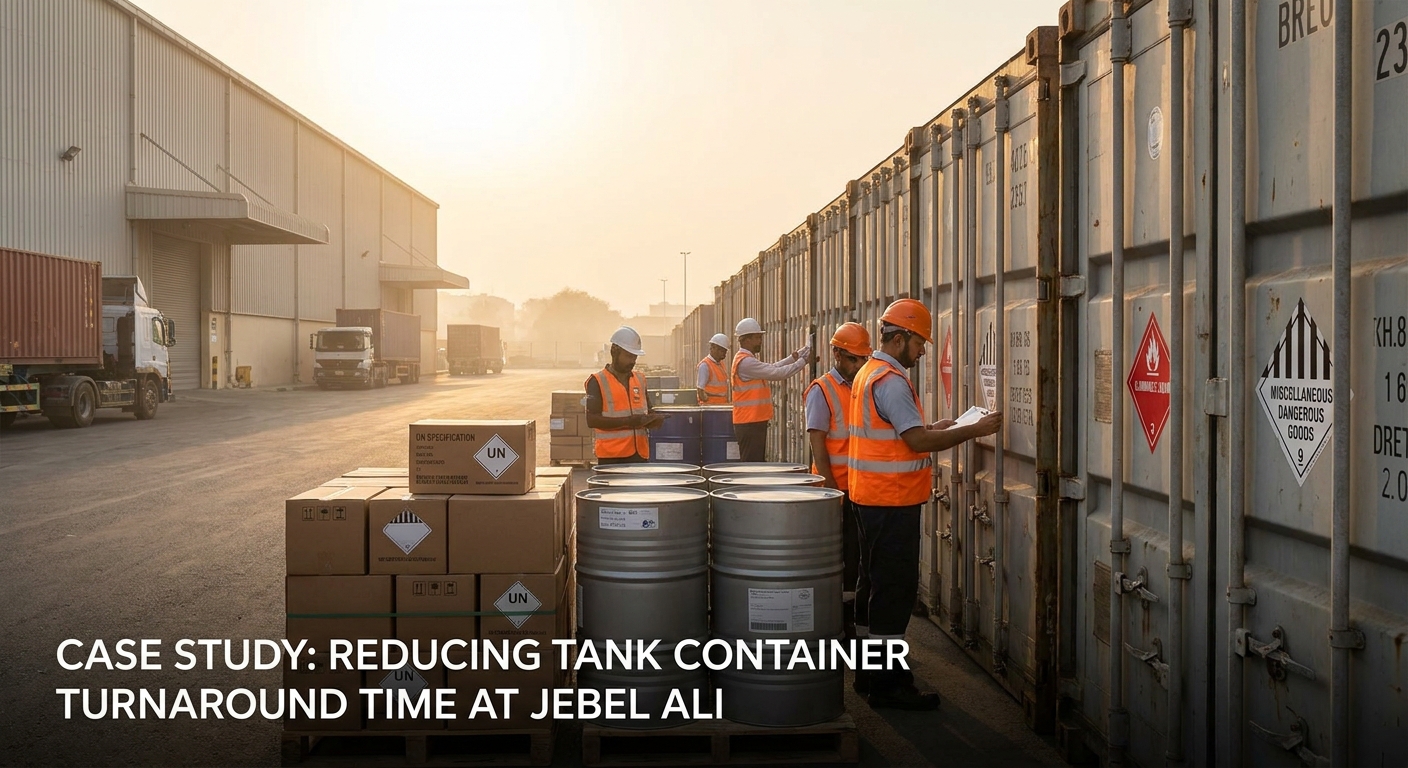
Drums carry a relatively low fixed cost per shipment but a cost structure that scales almost linearly with volume, since each additional liter requires proportionally more drums, more packaging material, and more handling labor.
Packaging and Unit Cost
Steel or plastic drums have a per-unit purchase or rental cost that varies by material, capacity, and whether they're new or reconditioned. Because drums are typically single-use or limited-reuse in international trade, this cost repeats on every shipment rather than amortizing across multiple trips the way a leased tank does.
Handling and Palletizing Labor
A single tank container's worth of liquid can require well over a hundred individual drums, each one needing its own palletizing, strapping, and loading into the container. That labor cost scales directly with drum count, and it applies at both the origin (loading) and destination (unloading) ends of the shipment.
Damage, Leakage, and Claims Exposure
Every individual drum represents an independent point of potential leakage, denting, or seal failure. Even a low per-drum failure rate compounds across a shipment containing a hundred or more units, which is why drum shipments tend to carry proportionally higher claims exposure than a single sealed pressure vessel carrying the equivalent volume.
5 Mistakes Companies Make When Shipping in ISO Tank Containers
Fixed and Variable Costs of Shipping in ISO Tank Containers
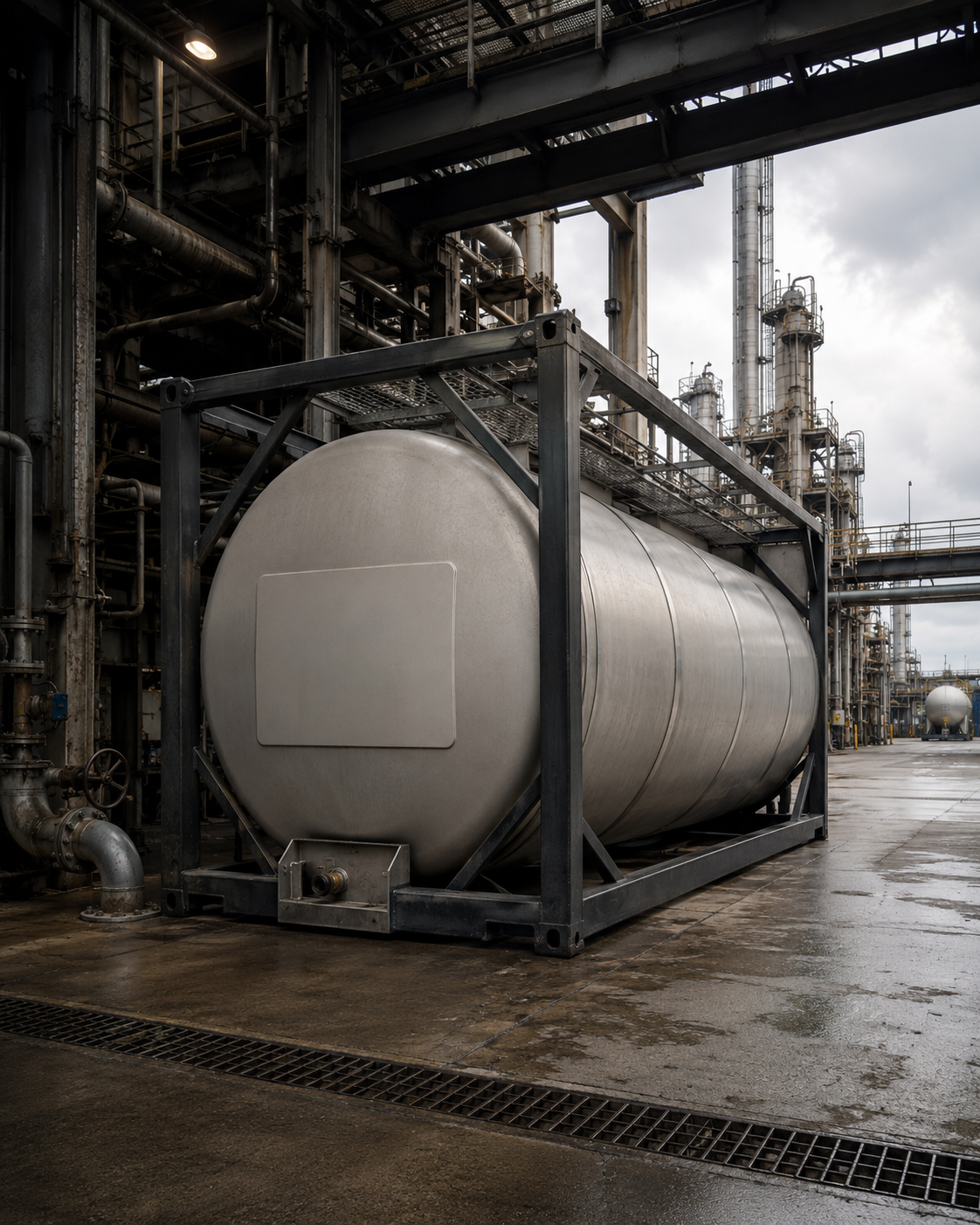
Tank containers carry a different cost profile: higher fixed costs tied to the tank itself, offset by the ability to move a much larger volume in a single booking with fewer individual handling points.
Tank Leasing or Rental
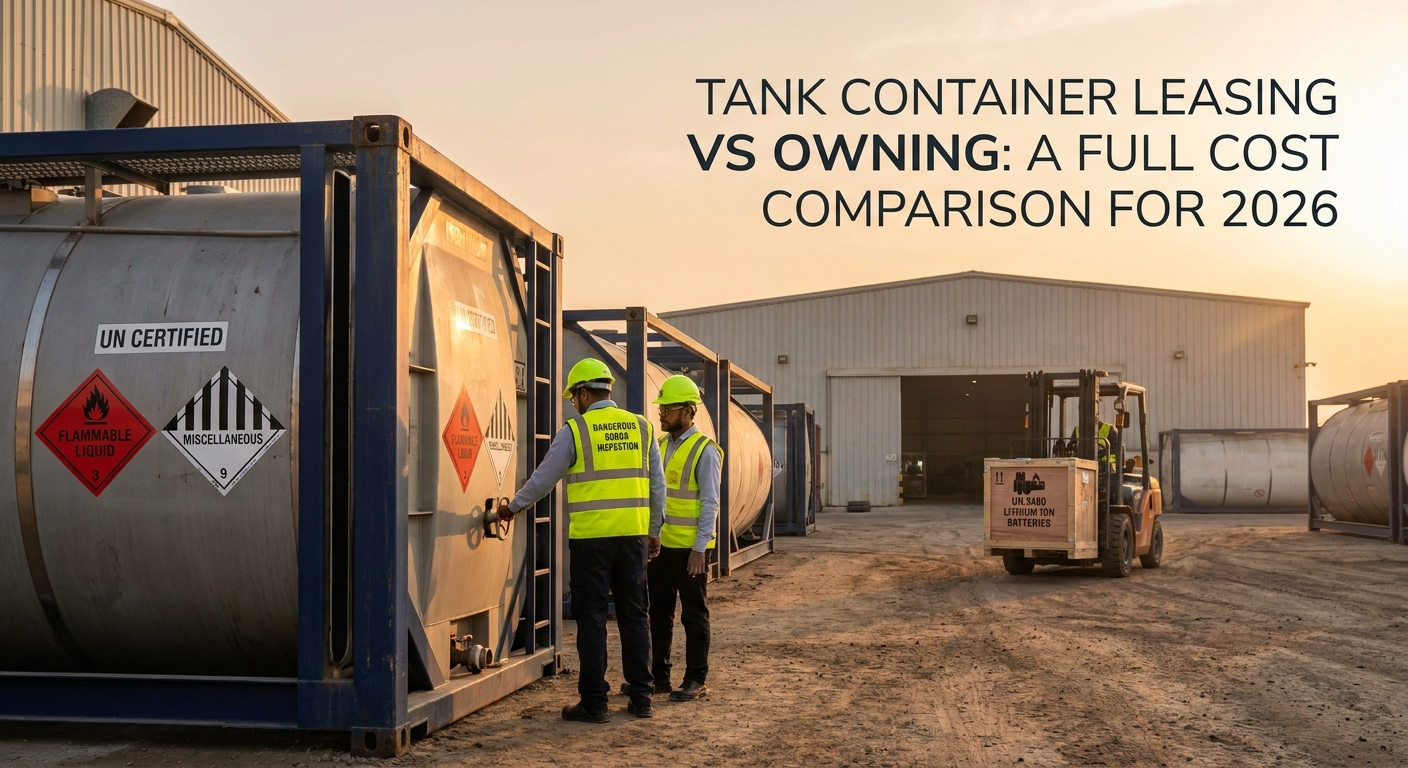
Most shippers who don't own their own tank fleet lease or rent tanks per shipment or under a standing contract. This cost is roughly comparable to booking a standard ocean container in structure, though tank leasing rates vary by tank type, availability, and how far the empty tank needs to be positioned before loading.
Cleaning and Certification
Cleaning between cargoes is a cost that drums simply don't carry, since drums aren't reused between different shippers. Tank cleaning costs vary by the cleaning standard required (a straightforward rinse between compatible products versus a full decontamination and residue test before switching to an unrelated or food-grade cargo), and tanks used for dangerous goods also carry periodic certification and testing costs on a multi-year cycle.
Positioning and Repositioning
Because tank fleets are smaller and more specialized than general dry container fleets, positioning an empty tank at the loading facility, and repositioning it after discharge, can add cost and lead time that doesn't apply to drums, which are typically sourced locally at both ends.
Break-Even Volume: When Tanks Cost Less Per Liter
The crossover point where tank containers become the lower-cost option per liter depends on several variables working together: cargo density (denser products reach weight limits before volume limits), cleaning tier required, how many times the tank will be reused across a shipping program, and the freight rate differential on the specific lane. As a general pattern, shippers moving smaller, mixed-product, or one-off volumes tend to find drums more economical, while shippers moving large, consistent volumes of the same or compatible product on a recurring basis tend to see tanks become the lower-cost option once fixed costs are amortized across repeated use.
Total Cost of Ownership Beyond the Per-Shipment Rate
Procurement teams evaluating this decision on a recurring basis should also weigh costs that don't show up on a single shipment's invoice: warehouse receiving equipment (a tank offloading pump versus a drum forklift), staff training for handling pressurized cargo, and the administrative cost of managing tank certification schedules versus drum inventory. These indirect costs tend to favor whichever option the business already has infrastructure for, which is part of why the switch from drums to tanks is usually a deliberate operational transition rather than a one-off decision.
Case Study: Switching a Chemical Importer from Drums to ISO Tanks
Getting an Accurate Cost Comparison for Your Shipment
Because so many of these variables are cargo- and lane-specific, a generic cost-per-liter figure isn't reliable enough to base a procurement decision on. The more useful approach is running the comparison against actual product density, target volume, and cleaning requirements for the specific cargo in question, ideally with current rate quotes from both a drum supplier and a tank operator on the same lane.
Frequently Asked Questions
Is it ever cheaper to ship in drums even at high volume?
Yes, particularly for mixed-product shipments that need to be split across multiple consignees, or for cargo that isn't compatible with available tank cleaning infrastructure at destination. Volume alone doesn't guarantee tanks are cheaper; product mix and destination handling capability matter too.
Do leased tanks ever make sense for a single shipment?
Generally only when the shipment volume is large enough on its own to approach the break-even point, since a single-use tank booking doesn't get the benefit of amortizing fixed costs across repeated trips the way a standing tank program does.
How much does tank cleaning typically add to the total shipment cost?
It depends heavily on the cleaning tier required.
Conclusion
There's no single correct answer to the tank-versus-drums cost question; there's a correct answer for a specific cargo, volume, and shipping frequency. Shippers moving large, consistent volumes on a recurring basis generally find tanks become the lower-cost option once fixed costs are spread across repeated use, while smaller or highly mixed-product volumes often stay better served by drums. Running the numbers against actual product density and cleaning requirements, rather than a generic industry rule of thumb, is the only way to get a reliable answer.
If you'd like a cost comparison run against your specific product and volume on the China-UAE lane, [INTERNAL-LINK: Request a freight quote and cargo assessment → contact/quote request page] and the team will benchmark tank and drum options side by side before you commit to either.