How ISO Tank Containers Work: A Step-by-Step Overview
An ISO tank container shipment isn't a single event. It's a sequence of roughly ten discrete steps, each with its own inspection, document, or handoff. Understanding that sequence matters more than most first-time shippers expect, because the delays and cost overruns that plague tank container shipments rarely happen mid-ocean. They happen at the handoff points: a cleaning certificate that doesn't match the next cargo, a tank that shows up at the loading dock out of test date, or a discharge valve that doesn't fit the receiving facility's connection.
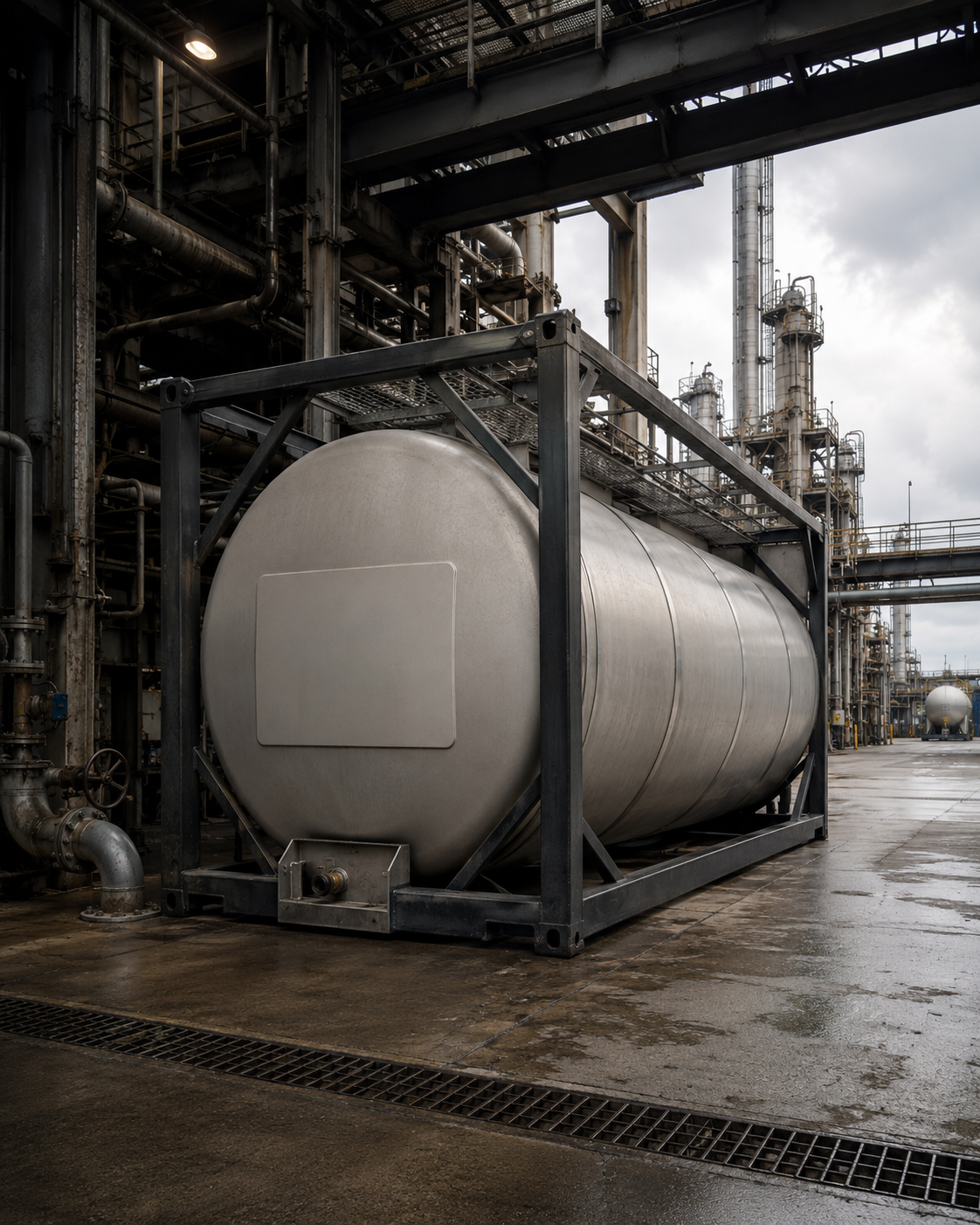
This article walks through the full lifecycle of a tank container shipment, from pre-trip cleaning through final discharge and turnaround, with a focus on where things commonly go wrong on the China-UAE lane. For background on what a tank container actually is, how the T1-T22 classification system works, and how tanks compare to drums and flexitanks, see The Complete Guide to ISO Tank Containers.
Key Takeaways
- A tank container shipment moves through roughly ten stages: cleaning, positioning, loading, sealing, inland transport, port handling, ocean transit, discharge and clearance, inland delivery, and final unloading and re-cleaning.
- Most delays occur at handoff points rather than in transit; mismatched cleaning certificates, expired test dates, and incompatible valve fittings are the most common causes.
- Documentation travels with the tank at every stage. A missing or mismatched certificate can stop a shipment even when the tank itself is fully capable of carrying the cargo safely.
- Jebel Ali's customs and manifestation process adds specific checkpoints that don't exist on shorter regional routes, which makes early document preparation more important than it would be on a domestic or short-haul move.
The Tank Container Lifecycle at a Glance
A tank container spends most of its working life cycling through the same sequence: clean, position, load, transport, discharge, clean again. What changes from shipment to shipment is the cargo, the tank type, and the documentation attached to each stage. Shippers who treat the process as "book a tank, load it, ship it" tend to be the ones surprised by delays, because several of the steps below involve third parties (cleaning depots, terminal operators, customs brokers) whose timelines aren't fully within the shipper's control.
The sections below break each stage down individually, including what documentation is generated or required at each point.
Step 1: Pre-Trip Cleaning and Inspection
Before an empty tank can be released for loading, it goes through a cleaning cycle appropriate to whatever it carried previously. The cleaning standard depends on both the prior cargo and the next one: moving between compatible products in the same chemical family typically requires less intensive cleaning than switching to an unrelated substance or a food-grade product. The depot performing the cleaning issues a cleaning certificate, which the next shipper or their forwarder should review before accepting the tank.
Alongside cleaning, the tank undergoes a visual inspection covering the shell, valves, gaskets, and safety relief devices. Tanks used for dangerous goods also carry periodic test certificates (a shorter-interval leak-tightness check and a longer-interval hydraulic pressure test) that must still be within their valid window at the time of loading.
Step 2: Positioning the Empty Tank at the Loading Facility
Once cleared, the empty tank is moved from the depot to the loading facility, whether that's a chemical plant, a bulk liquid terminal, or a bonded warehouse. Tank container fleets are smaller and more specialized than general dry container fleets, so positioning lead time is typically longer than booking a standard box, particularly for less common tank types such as heated, insulated, or gas-rated (T50) tanks.
Shippers who underestimate this lead time are one of the more common causes of loading-day delays, since a production schedule built around a specific ship date can slip if the tank itself doesn't arrive on time.
Step 3: Loading the Cargo
Loading happens through the top manway, a dedicated loading line, or occasionally a bottom connection, depending on the tank's fittings and the facility's equipment. The facility loads the cargo to a maximum fill percentage rather than filling the shell completely, leaving outage space for thermal expansion during transit. Loading staff record the loaded weight, temperature, and any relevant batch or lot information tied to the cargo.
For dangerous goods, this is also the point where the shipper's declaration is checked against the tank's certified T-code to confirm the tank is actually rated for the substance being loaded.
Step 4: Sealing, Securing, and Documentation
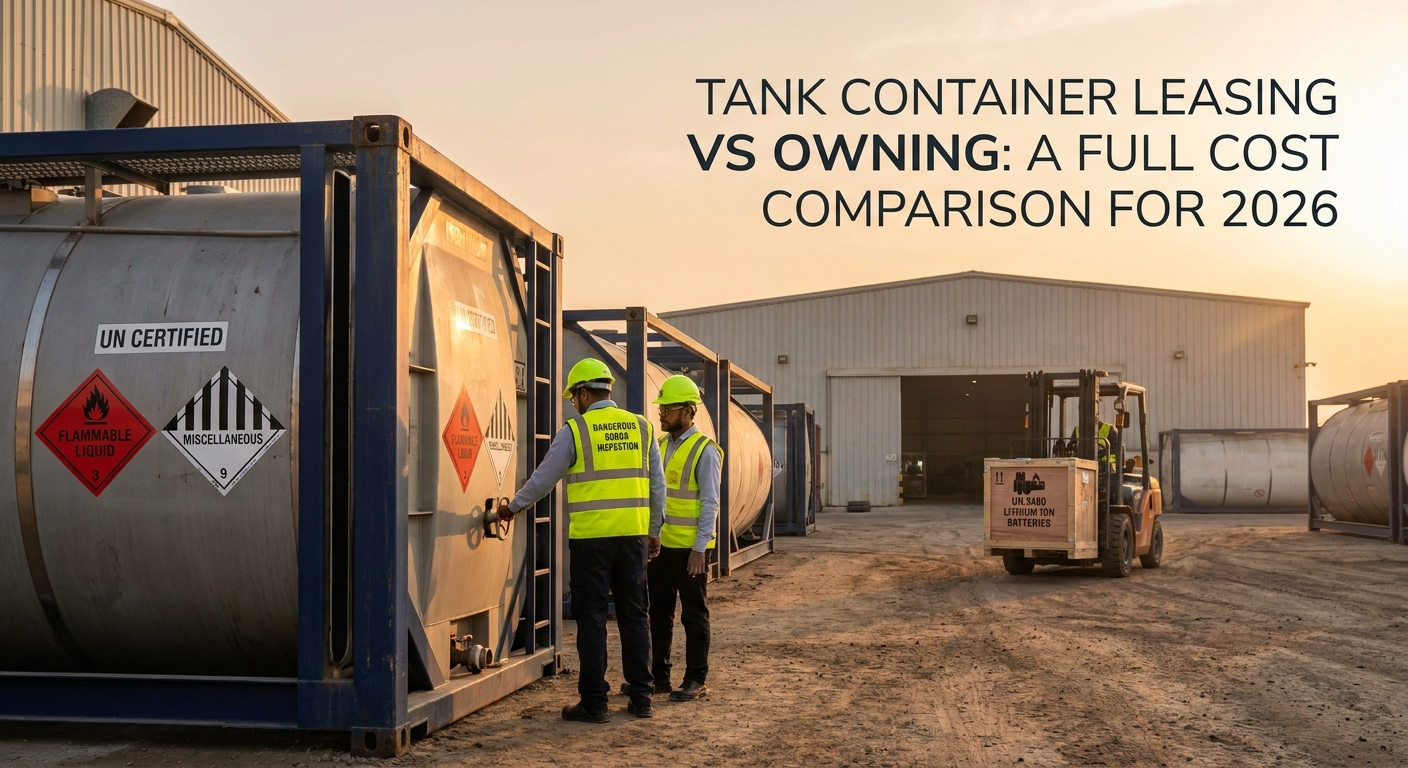
After loading, the manway and valves are closed, tamper-evident seals are applied, and the tank is placarded with the correct UN number, hazard class labels, and packing group markings if the cargo is regulated. This is also when the core shipping documents come together: the bill of lading, the dangerous goods declaration if applicable, the packing certificate, and the tank's current test and cleaning certificates.
A mismatch anywhere in this document set, a seal number that doesn't match the paperwork, a placard that doesn't match the declared UN number, is one of the most common triggers for a hold at the export terminal.
Step 5: Inland Transport to the Export Port
The loaded tank moves from the facility to the export port by road or rail. Because the tank is a sealed pressure vessel rather than a general cargo box, the transport carrier typically needs to hold a dangerous goods transport license if the cargo is regulated, and the driver or handling crew needs placarding and emergency response documentation on hand for the trip.
Step 6: Port Handling and Vessel Loading
At the port, the tank is received into the terminal yard, verified against its booking and documentation, and staged for vessel loading. Because the tank's external frame is built to the same ISO corner-casting standard as a dry container, port cranes and stevedoring crews handle it with the same equipment used for any other box, though dangerous goods tanks are usually stowed in a specific vessel location under IMDG Code stowage rules rather than mixed freely with general cargo.
Tank Container Booking Checklist for Bulk Liquid Shipments
Step 7: Ocean Transit
During the voyage, the tank generally requires no active intervention beyond periodic visual monitoring by the vessel crew, unless it's a heated tank drawing on the vessel's power supply or a gas tank under pressure monitoring. Transit time on the China-UAE lane runs longer than most regional routes, which is one reason the guide above recommends confirming test certificate validity covers the full transit window plus a reasonable delay buffer, not just the scheduled sailing time.
Step 8: Discharge and Customs Clearance at Jebel Ali
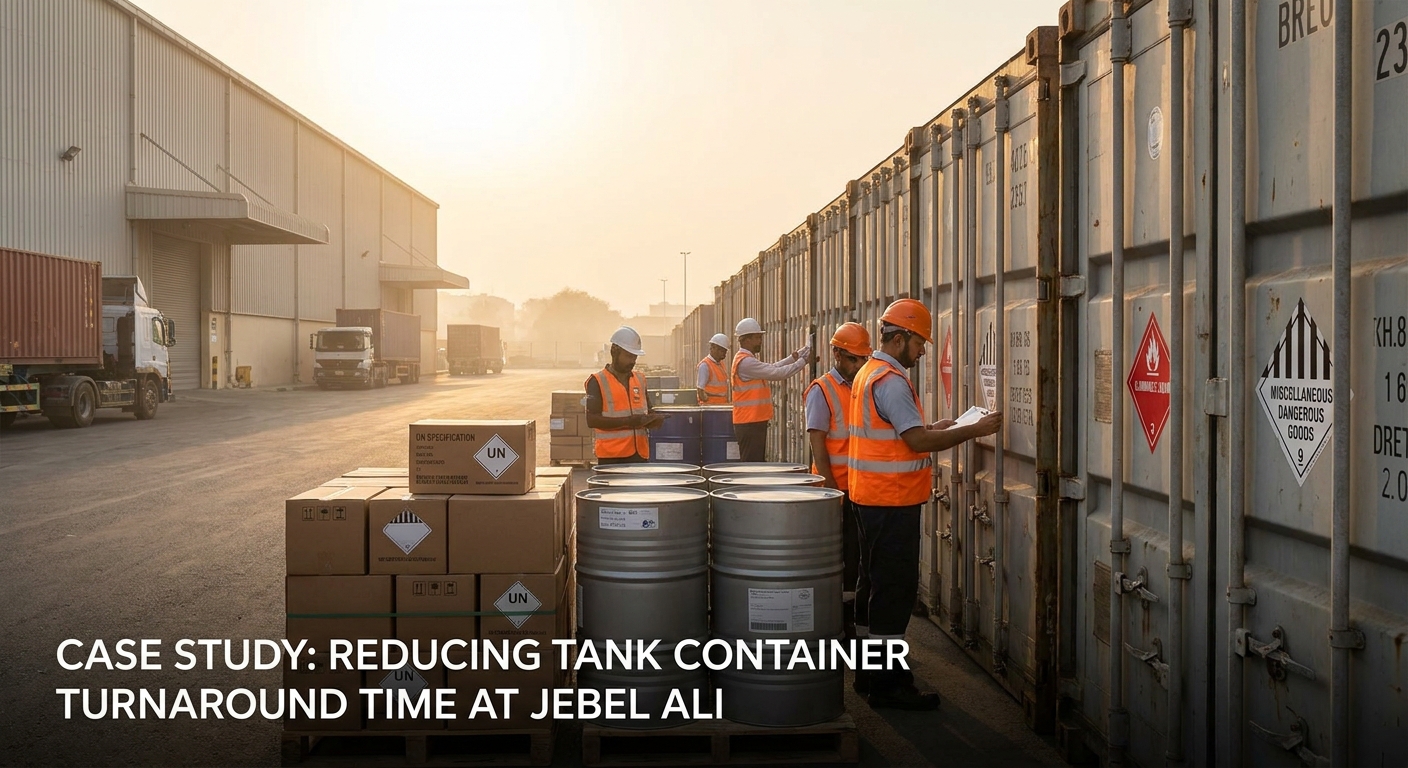
On arrival, the tank is discharged from the vessel, moved into the terminal yard, and processed through UAE customs and manifestation. This stage is where China-UAE shipments diverge most from domestic or short-haul moves: Jebel Ali's clearance process checks the cargo declaration, the tank's certification, and the import documentation together, and a discrepancy in any one of them can hold the tank in the yard until it's resolved.
ISO Tank Container Safety Regulations and Certification Requirements
Step 9: Inland Delivery and Unloading
Once cleared, the tank moves inland to the receiving facility for discharge. The receiving facility needs to confirm its unloading equipment matches the tank's valve and fitting type before the tank arrives, since a mismatch at this stage can stall unloading by hours or days while an adapter or alternate connection is sourced.
Step 10: Post-Discharge Cleaning and Turnaround
After discharge, the empty tank is returned to a depot for cleaning and inspection before it re-enters the cycle for its next cargo. The cleaning certificate generated here becomes the starting point for the next shipper's Step 1, which is why cleaning records matter beyond the immediate shipment: they follow the tank into its next booking.
Where Delays Typically Happen in the Sequence
Across these ten steps, delays cluster around a handful of predictable points: tank positioning lead time (Step 2), documentation mismatches at sealing (Step 4), and customs clearance at the import port (Step 8). None of these are inherent to tank container shipping; they're operational risks that can be planned around with enough lead time and the right pre-booking checks, covered in more detail in the checklist linked above.
Frequently Asked Questions
How long does a full tank container cycle take from booking to re-cleaning?
It varies substantially by lane, tank type, and depot availability, so there's no single standard figure. On the China-UAE lane specifically, the largest variable is usually tank positioning lead time and clearance processing time at Jebel Ali, not the ocean transit itself.
Does the shipper need to arrange the tank's cleaning, or does the carrier handle it?
This depends on the commercial arrangement. Some shippers work with a tank operator who handles cleaning and positioning as part of the booking; others contract cleaning separately through a depot. Either way, the cleaning certificate needs to be confirmed before loading, regardless of who arranges it.
What happens if a tank arrives at the loading facility with an expired test certificate?
It can't legally be loaded with regulated cargo until it's re-certified. This is one of the most avoidable causes of delay, which is why confirming certificate validity is a standard pre-booking check rather than something left to the loading day itself.
Conclusion
A tank container shipment is a chain of handoffs, and the chain is only as reliable as its weakest link. Shippers who understand where documentation, cleaning, and certification checkpoints sit in the sequence, and who build in lead time around tank positioning and Jebel Ali clearance specifically, tend to see far fewer surprises than those who treat the process as a single booking event.
If you're planning a tank container shipment and want a lane-specific walkthrough of what to expect at each stage, [INTERNAL-LINK: Request a freight quote and cargo assessment → contact/quote request page] and a member of the team will map the process against your product and volume before booking.